★ Win a pair of Brandecosse Capriolo boots worth £219! Click here to enter ★


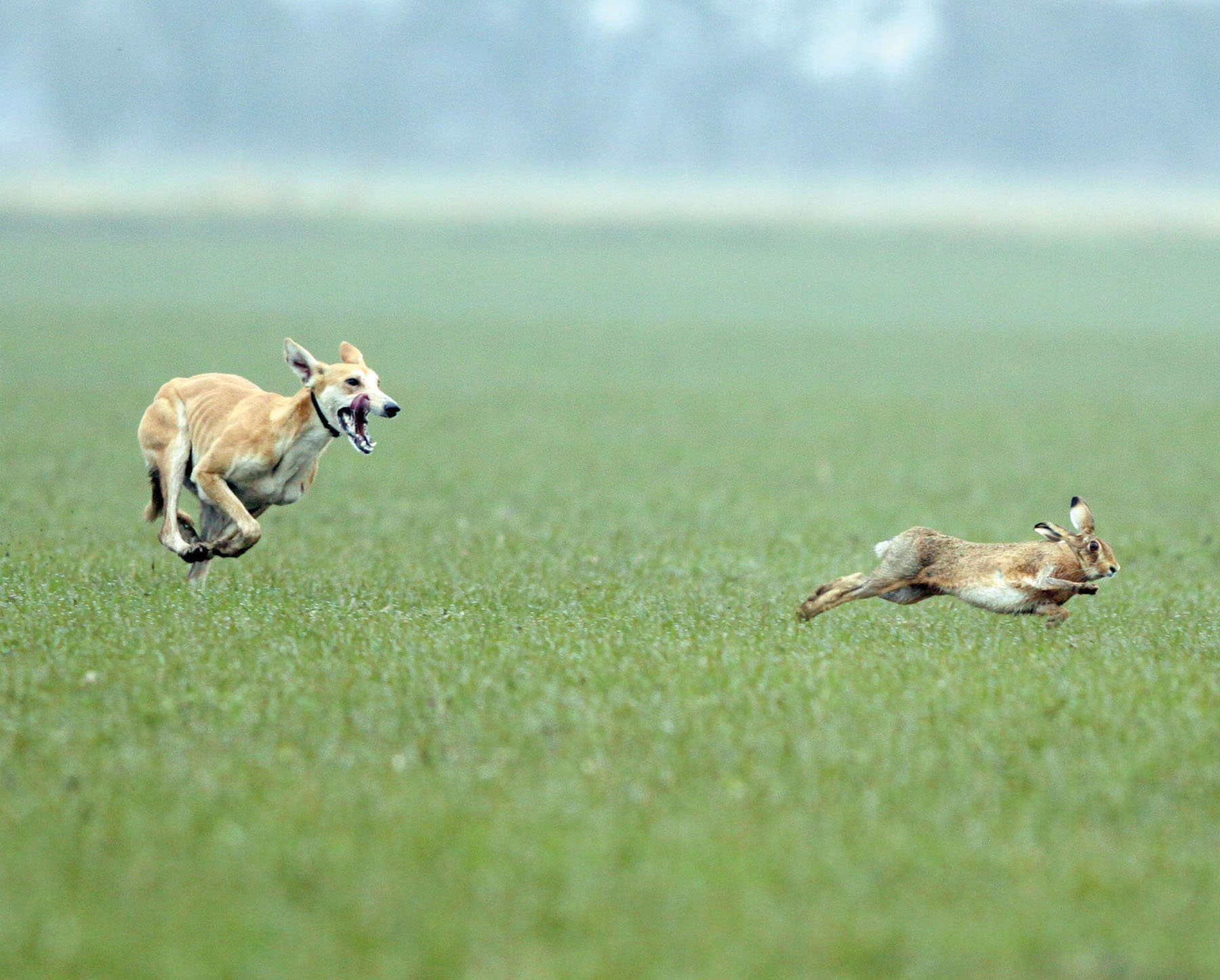
Clamping down on illegal hare coursing – what new sentencing guidelines mean for rural communities
Updated sentencing guidance recognises the wider criminality and intimidation often associated with hare coursing, says Glynn Evans

Updated sentencing guidance recognises the wider criminality and intimidation often associated with hare coursing, says Glynn Evans
Illegal hare coursing is not a minor rural nuisance. It is an organised criminal activity – often linked to wider criminality, carried out by offenders who travel across police force boundaries, and backed by intimidation of farmers, gamekeepers and their families. New sentencing guidelines that came into effect on 1 June 2026 represent a significant step towards ensuring courts in England and Wales respond to it accordingly.
Why is hare coursing treated as serious organised crime?
The scale and organisation of modern hare coursing operations sets it apart from opportunistic poaching. Offenders operate across regions, use threats and intimidation against anyone who challenges them, and cause lasting harm not only to wildlife and property but to the rural communities left dealing with the aftermath. BASC has worked alongside police and partner organisations for many years to strengthen enforcement, raise awareness of the impact on individuals and communities, and encourage a more coordinated national response.
How has rural crime policing improved?
That sustained partnership work has produced real results. There is now a dedicated rural and wildlife crime lead within the National Police Chiefs’ Council, which has produced Rural and Wildlife Crime Strategies – most recently updated for 2025–28 – that identify tackling poaching and hare coursing as key priorities. A growing number of police forces have established dedicated rural crime teams, supported by the National Wildlife Crime Unit (NWCU) and the National Rural Crime Unit.
Operation Galileo, which specifically targets organised hare coursing, has significantly strengthened cross-border enforcement. To help maintain the expertise required to investigate these offences – which can be lost as officers change roles or retire – the NWCU has developed a digital training academy. BASC contributed £40,000 through its Legacy Fund to support development of the poaching and hare coursing syllabus, giving officers access to high-quality training free of charge, at any time.
What does the Police, Crime, Sentencing and Courts Act 2022 change?
The legal framework was significantly strengthened by the Police, Crime, Sentencing and Courts Act 2022. Key provisions include increased maximum penalties for certain offences, new “going equipped” offences specific to the hare coursing context, and new court powers to disqualify offenders from owning or keeping dogs and to order reimbursement of kennelling costs for seized animals. Some courts have already used these provisions.
What do the new sentencing guidelines cover?
The new guidelines, which took effect on 1 June 2026, are designed to ensure courts across England and Wales take a consistent and proportionate approach to sentencing hare coursing offences. They follow a formal consultation process to which BASC and other organisations submitted responses. A member of the Sentencing Council, commenting on their introduction, acknowledged the serious harm caused by illegal activities associated with hare coursing and confirmed that the guideline gives courts the tools to reflect that harm in sentencing.
What happens next?
More robust sentencing guidance is a positive development, but lasting progress will depend on continued partnership working between policing, rural organisations and local communities. Holding those responsible to account and supporting those affected must go hand in hand.
Anyone affected by hare coursing should contact their local police for advice on enforcement and practical security measures. BASC members can call the organisation directly for support and advice.
Frequently Asked Questions
Is hare coursing illegal in the UK? Yes. Hare coursing is illegal under the Hunting Act 2004. It is also a criminal offence under other legislation, including the Game Act 1831 and the Night Poaching Act 1828. The Police, Crime, Sentencing and Courts Act 2022 introduced further offences and strengthened penalties.
What penalties can hare coursers face? Since the Police, Crime, Sentencing and Courts Act 2022, courts can impose increased maximum penalties for hare coursing offences, disqualify offenders from owning or keeping dogs, and order reimbursement of kennelling costs for any dogs seized during enforcement action.
What is Operation Galileo? Operation Galileo is a national policing operation targeting organised hare coursing in England and Wales. It is designed to improve cross-border enforcement and coordination between police forces, given that offenders frequently operate across multiple force areas.
Glynn Evans is a policy officer at BASC (British Association for Shooting and Conservation).
Related Articles
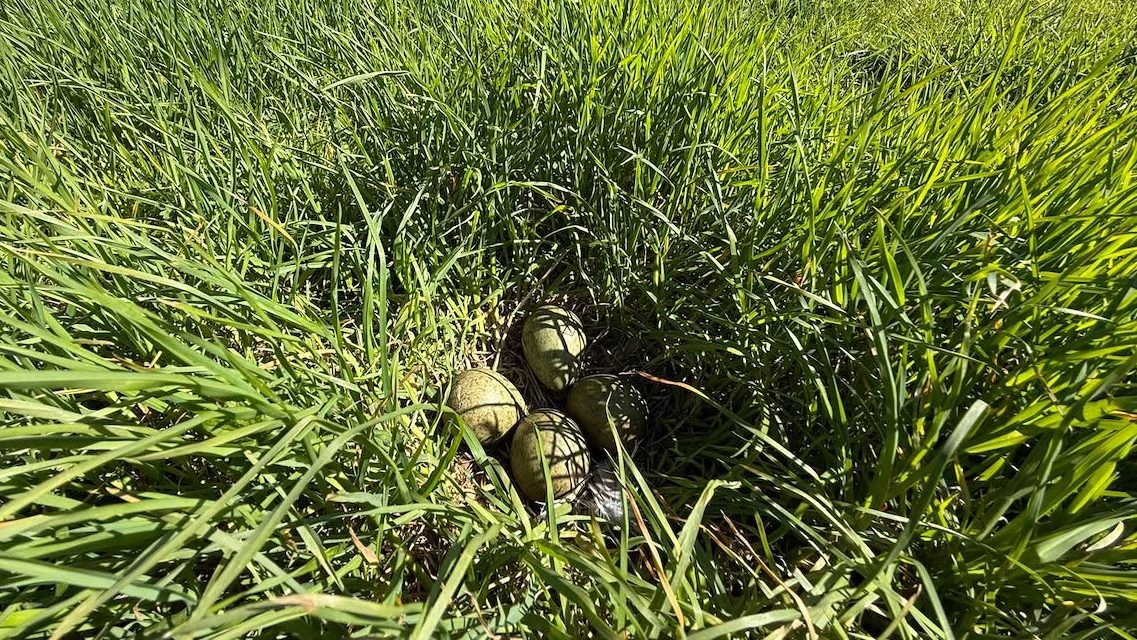
Thermal drone deployed to protect curlew chicks
A Cumbria conservation group is using a thermal drone to locate curlew nests and chicks before fields are cut, helping farmers protect one of Britain's fastest-declining wading birds.
By Hollis Butler

Two new members elected to BASC Council
BASC has announced the election of Will Wilkinson and Tomos Davies to its governing Council following the association's 2026 AGM.
By Hollis Butler
Get the latest news delivered direct to your door
Subscribe to Shooting Times & Country
Discover the ultimate companion for fieldsports enthusiasts with Shooting Times & Country Magazine, the UK’s leading weekly publication that has been at the forefront of shooting culture since 1882. Subscribers gain access to expert tips, comprehensive gear reviews, seasonal advice and a vibrant community of like-minded shooters.
Save on shop price when you subscribe with weekly issues featuring in-depth articles on gundog training, exclusive member offers and access to the digital back issue library. A Shooting Times & Country subscription is more than a magazine, don’t just read about the countryside; immerse yourself in its most authoritative and engaging publication.