★ Your magazine. Your say. Complete our reader survey with a chance to win Jack Pyke kit worth £500! ★


Defra stands by burning rules despite fuel-load science
The Government says it remains satisfied the tightened burning regulations are supported by the evidence, after being pressed on research showing cutting adds to the fine fuels that feed wildfires
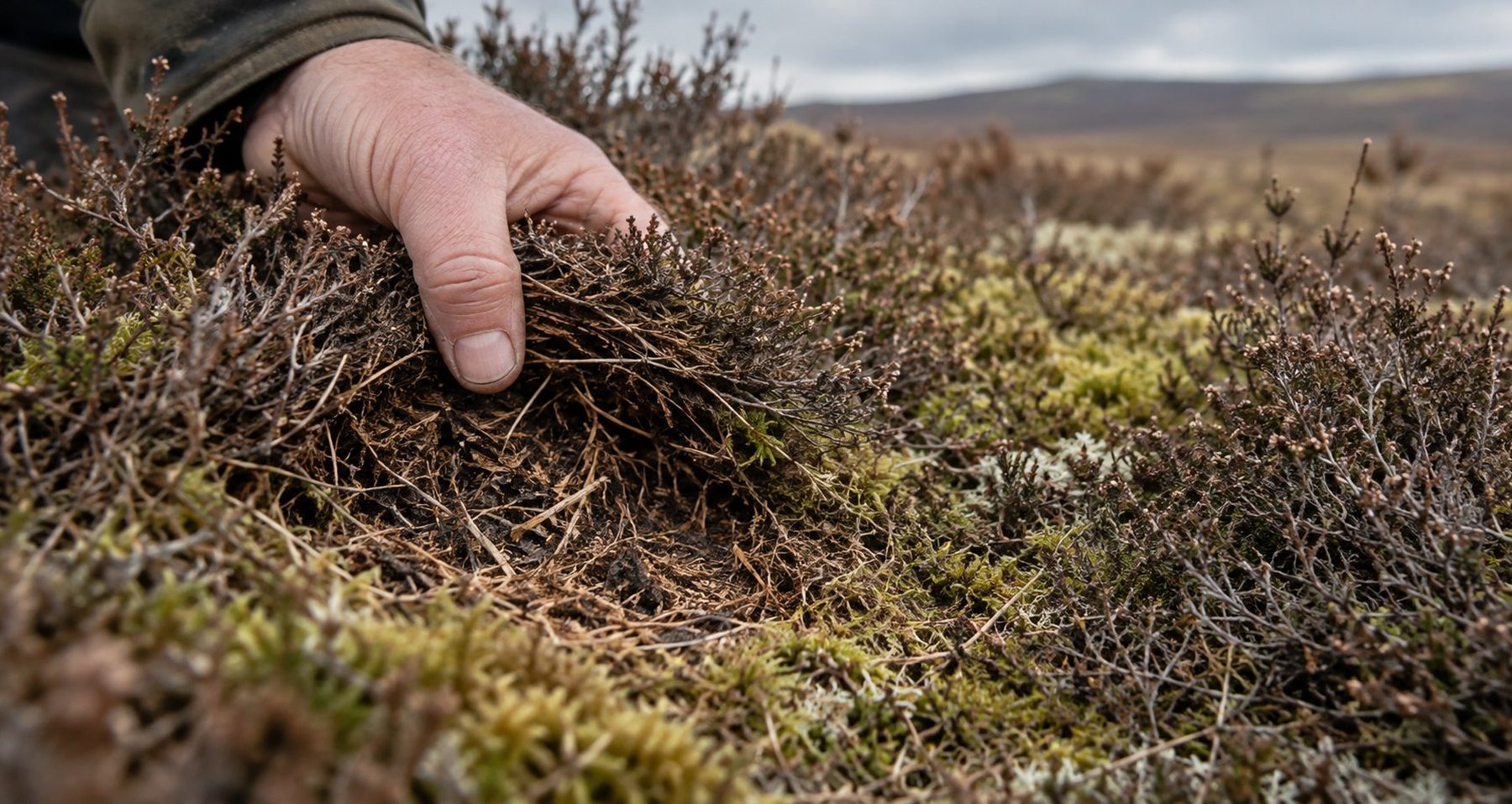

Defra has commissioned a study of how different peatland management practices, burning among them, build resistance to wildfire, the department has revealed while rejecting a challenge to its tightened burning rules. The commitment came in a written answer to Kevin Hollinrake, Conservative MP for Thirsk and Malton, who asked what assessment ministers had made of research showing prescribed burning reduces the fine fuels that feed wildfires while cutting adds them to the litter layer.
What did the minister say about the burning evidence?
Defra minister Jenny Riddell-Carpenter said the Heather and Grass etc Burning (England) Regulations 2021 were amended in September 2025, “expanding restrictions on unnecessary burning practices, to enhance protection of upland deep peat and improve the resilience of moorlands”.
“A range of new scientific evidence, subject to appropriate academic rigour, was assessed within the context of the cumulative evidence base,” she said in the answer, dated 14 September. “Evidence showed that burning, especially repeated burning, results in a departure from the typical structure of these habitats and can impact how they function. The Government remains satisfied that the Regulations are supported by the available evidence.”
The science the question put to Defra
The study in question, by Fielding et al (2025), appeared in the British Ecological Society journal, Ecological Solutions and Evidence. Comparing prescribed burning with two methods of cutting at two heather-dominated moorland sites in north-east Scotland, it found that burning removed fine attached vegetation without adding to the moss and litter layer, while brush cutting transferred cut fine heather into it, and it suggested the changes that follow burning may serve to reduce future wildfire risk.
Cutting is the principal fuel management tool left to managers of deep peat without a licence, which is what gives the finding its edge. Restrictions on burning have applied to upland deep peat in England since 30 September 2025, with the Moorland Association putting the area under constraint at more than 676,000ha.
What happens next
Defra’s new wildfire and peatland study, commissioned under the Third National Adaptation Programme, will look at the effectiveness of a range of peatland land management systems and practices in creating wildfire resilience. The department says it “will continue to monitor these results and engage with key stakeholders”.
Burning licences remain available where wildfire risk is evidenced and there is no practical alternative, as Defra confirmed to MPs earlier this month. The Fielding study can be read in full in Ecological Solutions and Evidence, linked below.
Frequently asked questions
What did the Fielding study find?
At two heather moorland sites in north-east Scotland, prescribed burning removed fine fuels without adding to the moss and litter layer, while brush cutting transferred cut fine heather into it.
Can moorland managers still burn on deep peat in England?
Only under licence. Restrictions have applied since 30 September 2025, but a licence can be granted where wildfire risk is evidenced and there is no practical alternative.
What is Defra’s wildfire and peatland study?
A study commissioned under the Third National Adaptation Programme to test how effectively a range of peatland management systems and practices create wildfire resilience.
Related Articles
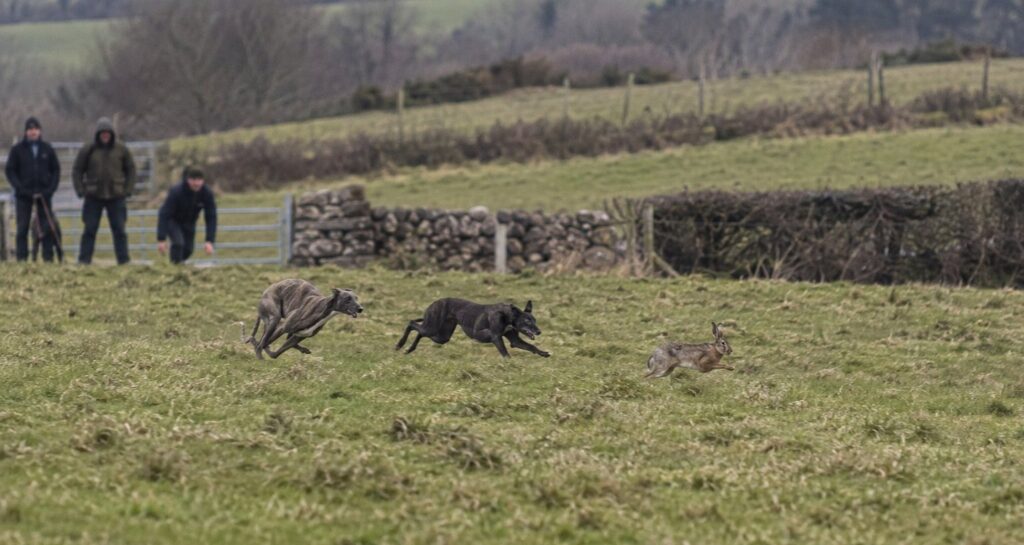
Defra puts £530,000 into wildlife crime unit to fight hare coursing
New money will fund intelligence and financial investigation work against coursing gangs, but ministers admit they still cannot say how much of the crime there is
By News Desk | 21 September 2026

NFU demands coordinated crackdown on hare coursing gangs
After 22 dead hares were left in rows on a Kent farm, the union says police and courts must use the powers they already have against coursing gangs
By News Desk | 21 September 2026
Get the latest news delivered direct to your door
Subscribe to Shooting Times & Country
Discover the ultimate companion for fieldsports enthusiasts with Shooting Times & Country Magazine, the UK’s leading weekly publication that has been at the forefront of shooting culture since 1882. Subscribers gain access to expert tips, comprehensive gear reviews, seasonal advice and a vibrant community of like-minded shooters.
Save on shop price when you subscribe with weekly issues featuring in-depth articles on gundog training, exclusive member offers and access to the digital back issue library. A Shooting Times & Country subscription is more than a magazine, don’t just read about the countryside; immerse yourself in its most authoritative and engaging publication.