★ Win four pegs on a Kent simulated game day with JBD Sporting worth £1,000! Click to enter ★

Defra officials visit Wiltshire shoot to see gamebird biosecurity
The GFA and Dalton’s Game Consultancy took bird flu policymakers to the Great Durnford Estate to watch released pheasants go wild and see shoot biosecurity in practice
 Pheasant poults in a game shoot release pen. Credit: driftlessstudio/iStock via Getty Images

Officials from Defra and the Animal and Plant Health Agency (APHA) visited the Great Durnford Estate, near Amesbury in Wiltshire, on 29 July to see gamebird biosecurity on a working shoot at first hand. The visit was arranged by the Game Farmers’ Association (GFA) and Rita Alves of GFA trade member Dalton’s Game Consultancy, as part of the sector’s engagement with government on avian influenza policy.
Who went, and what did they see?
Gordon Hickman, head of exotic disease and chairman of the National Avian Disease Core Group, several of his team, and vets and policy advisers from APHA were shown around the estate by head keeper Tom Paul. The GFA said the party was particularly interested in the transition of released pheasants into wild birds in the first weeks after delivery from the game farm, and in the practicalities of biosecurity on a shoot.
The tour of the estate and its release pens also took in the conservation work that runs alongside the shooting. Great Durnford supports a wealth of bird life, including skylark, stone curlew and eight species of birds of prey, and processes all the game it harvests, including venison, for its own use or through a select network of local businesses.
Why does the visit matter for shoots?
Bird flu rules have weighed on game farms and shoots since Defra amended the Avian Influenza Prevention Zone in August 2025 with Schedule 3 measures aimed specifically at gamebirds during and after release. The GFA has pressed since then for policymakers to see the sector for themselves, hosting APHA staff at a game farm training and awareness day in September 2025 and taking key Defra and APHA staff to a Worcestershire game farm on 26 June.
The association said the Great Durnford visit gave officials an insight into the role game shooting plays in the fabric of rural Britain and how disease control policy affects the sector. The estate is a member of the Trusted Game assurance scheme and achieved gold standard in this year’s audit.
What happens next
The GFA thanked Rita Alves and Dalton’s Game Consultancy, head keeper Tom Paul and the Great Durnford Estate for making the visit possible. The association’s full report of the visit, with photographs from the day, can be read on the GFA website.
Frequently asked questions
Why did Defra and APHA officials visit a shoot?
To see how released pheasants make the transition to the wild and how biosecurity works in practice on a shoot, as part of the game sector’s engagement with government on avian influenza policy.
What is the Great Durnford Estate?
A medium-sized shoot near Amesbury in Wiltshire and a Trusted Game member, which achieved gold standard in this year’s audit and processes all the game it harvests.
What biosecurity rules apply to gamebirds?
Defra amended the Avian Influenza Prevention Zone in August 2025 with Schedule 3 measures aimed at reducing risk to gamebirds during and after release, some of which also apply to game farms.
Related Articles

Countryside Alliance publishes saboteur advice for shoots
Practical guidance for shoot managers covers preparations to make in advance, the law on aggravated trespass and the police powers that get face coverings removed
By News Desk

Drought declared in half of England as shooting season nears
The Environment Agency declares a second consecutive summer drought, with moors tinder dry and 110 wildfires already on protected sites
By News Desk
Get the latest news delivered direct to your door
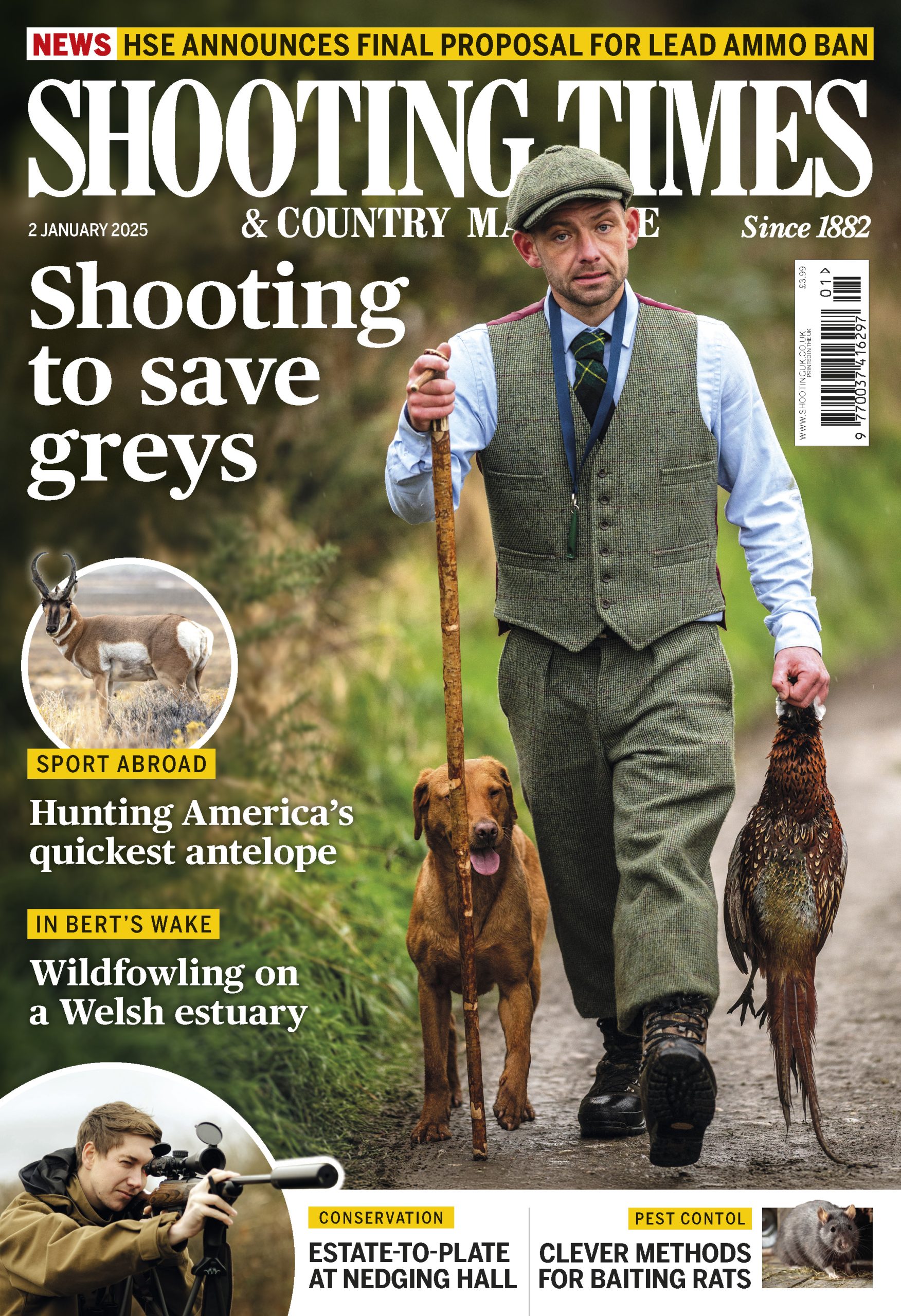
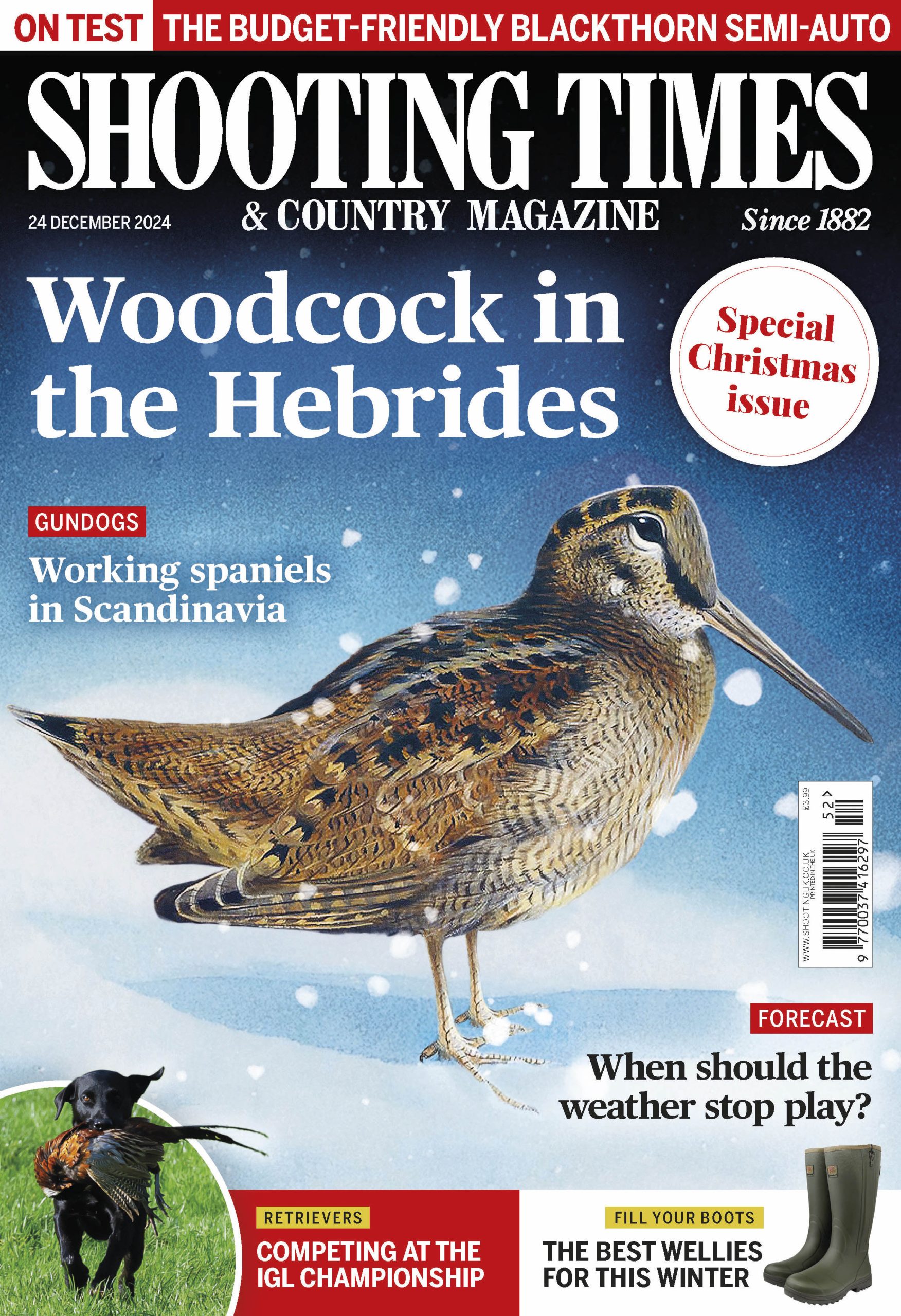
Subscribe to Shooting Times & Country
Discover the ultimate companion for fieldsports enthusiasts with Shooting Times & Country Magazine, the UK’s leading weekly publication that has been at the forefront of shooting culture since 1882. Subscribers gain access to expert tips, comprehensive gear reviews, seasonal advice and a vibrant community of like-minded shooters.
Save on shop price when you subscribe with weekly issues featuring in-depth articles on gundog training, exclusive member offers and access to the digital back issue library. A Shooting Times & Country subscription is more than a magazine, don’t just read about the countryside; immerse yourself in its most authoritative and engaging publication.