★ Your magazine. Your say. Complete our reader survey with a chance to win Jack Pyke kit worth £500! ★


Farmer clusters lift grey partridges 271% in a decade
Ten years of GWCT monitoring at Martin Down and Allenford shows red-listed farmland birds recovering across 13,500 hectares, with gamekeepers' predation management part of the recipe


Grey partridge pairs at the Allenford Farmer Cluster have risen from seven to 26 since 2016, a 271% increase, according to newly published reports covering a decade of Game & Wildlife Conservation Trust (GWCT) monitoring. The neighbouring Martin Down and Allenford clusters, which together cover more than 13,500 hectares across Hampshire, Dorset and Wiltshire, have recorded recoveries in farmland birds, butterflies and bumblebees against a backdrop of continued national declines.
What has recovered on the ground?
At Martin Down, red-listed corn buntings have increased by 346% over the decade, against a national decline of 83% since 1967. Grey partridge numbers there are up 147%, butterfly abundance has risen 183% and butterfly diversity by 28%, with turtle doves, barn owls, swifts, harvest mice, kestrels and brown hares among the other beneficiaries.
At Allenford, butterfly diversity has increased by 48% and bumblebee species by 25% over the decade, with two nationally scarce bumblebee species recorded.
Keepers and habitat did the work
The GWCT credits the farmers and gamekeepers who created habitat and linked it up with their neighbours across the two self-funded clusters. Martin Down now has more than 100 hectares of new grass and flower margins, a 50% increase in wild pollinator habitat, twice the number of water scrapes for turtle doves and 600 hectares of grey partridge habitat, alongside predation management by gamekeepers.
GWCT senior farm environment adviser Megan Lock, who facilitates both clusters and carries out much of the monitoring, said: “I’m so proud of the efforts of two groups of farms and estates who by working together have proved that the Farmer Cluster model, combining sustainable agriculture with species recovery, is the solution to tackling the biodiversity crisis.” Farmers together manage 72% of the UK, she noted, while nature reserves cover 8%.
Who pays for the work?
Members of both clusters contribute £2 per hectare towards facilitation, training, surveying and events, and many of the measures are funded through agri-environment schemes alongside the farmers’ own private investment. The Countryside Stewardship Facilitation Fund, which originally paid for cluster facilitators, has closed, and Ms Lock’s role is now part-funded by the GWCT. There is currently no financial support for monitoring, which she believes new schemes should fund: without it, she said, “we can’t see if the measures put in place are worth the effort and investment”.
GWCT chief executive Nick von Westenholz said Defra’s newly announced Farmer Collaboration Fund recognises the value of farmers working together, but there is concern it will fail to fund clusters with a proven track record unless they change. “Continued public funding for the facilitation of both new and established groups like Allenford and Martin Down is critical and represents real value for money,” he said.
What happens next?
The clusters’ ten-year monitoring reports are newly published, and the detail of how Defra’s Farmer Collaboration Fund will treat established groups is awaited. The full announcement and the monitoring results can be read on the GWCT website.
Frequently asked questions
What is a farmer cluster?
A group of neighbouring farms and estates that co-ordinates habitat creation and wildlife monitoring across a whole landscape, guided by an experienced facilitator. The model was developed by the GWCT in 2012.
Why are grey partridges recovering there?
The clusters combine dedicated habitat, including 600 hectares of grey partridge habitat at Martin Down, with predation management by gamekeepers, producing landscape-scale results national schemes have struggled to match.
Related Articles
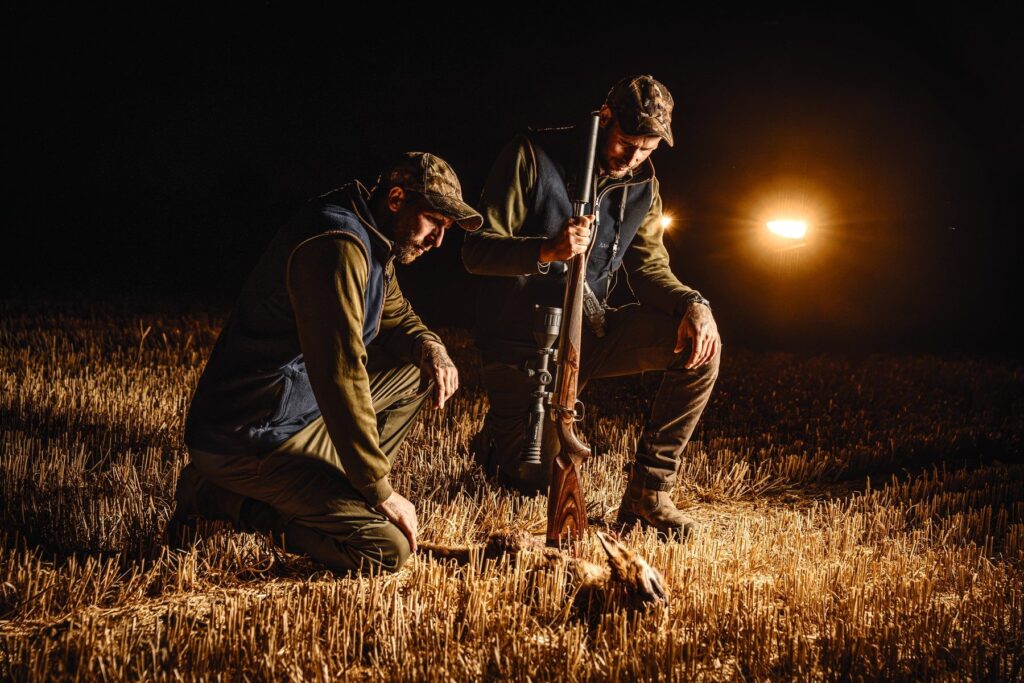
Modern fox control after dark: a night of thermal foxing in Essex
Miles Malone joins an expert two-man team on a north Essex shoot for a night of fox control, where thermal optics, close teamwork and precision shooting have replaced the lamp he grew up with
By Miles Malone | 4 September 2026
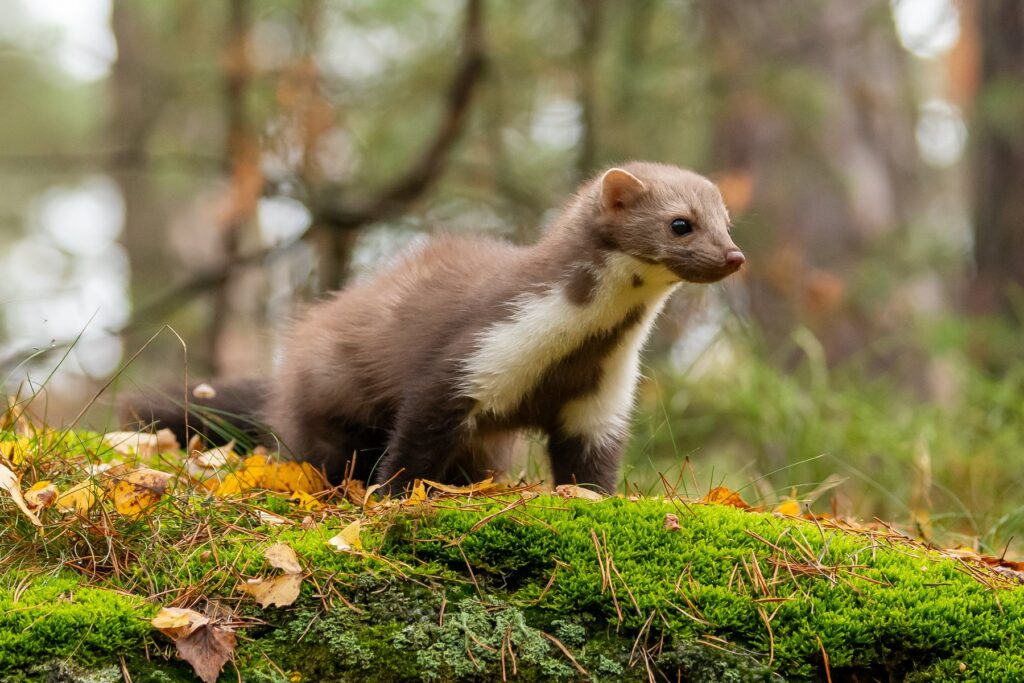
Pine martens could return across much of Britain, study finds
Keepers and shoot managers from the High Weald to Galloway could be sharing their coverts with the recovering predator, a Europe-wide habitat model suggests
By News Desk | 4 September 2026
Get the latest news delivered direct to your door
Subscribe to Shooting Times & Country
Discover the ultimate companion for fieldsports enthusiasts with Shooting Times & Country Magazine, the UK’s leading weekly publication that has been at the forefront of shooting culture since 1882. Subscribers gain access to expert tips, comprehensive gear reviews, seasonal advice and a vibrant community of like-minded shooters.
Save on shop price when you subscribe with weekly issues featuring in-depth articles on gundog training, exclusive member offers and access to the digital back issue library. A Shooting Times & Country subscription is more than a magazine, don’t just read about the countryside; immerse yourself in its most authoritative and engaging publication.