★ Win a pair of Brandecosse Capriolo boots worth £219! Click here to enter ★

North York Moors wildfire report renews call for burning strategy
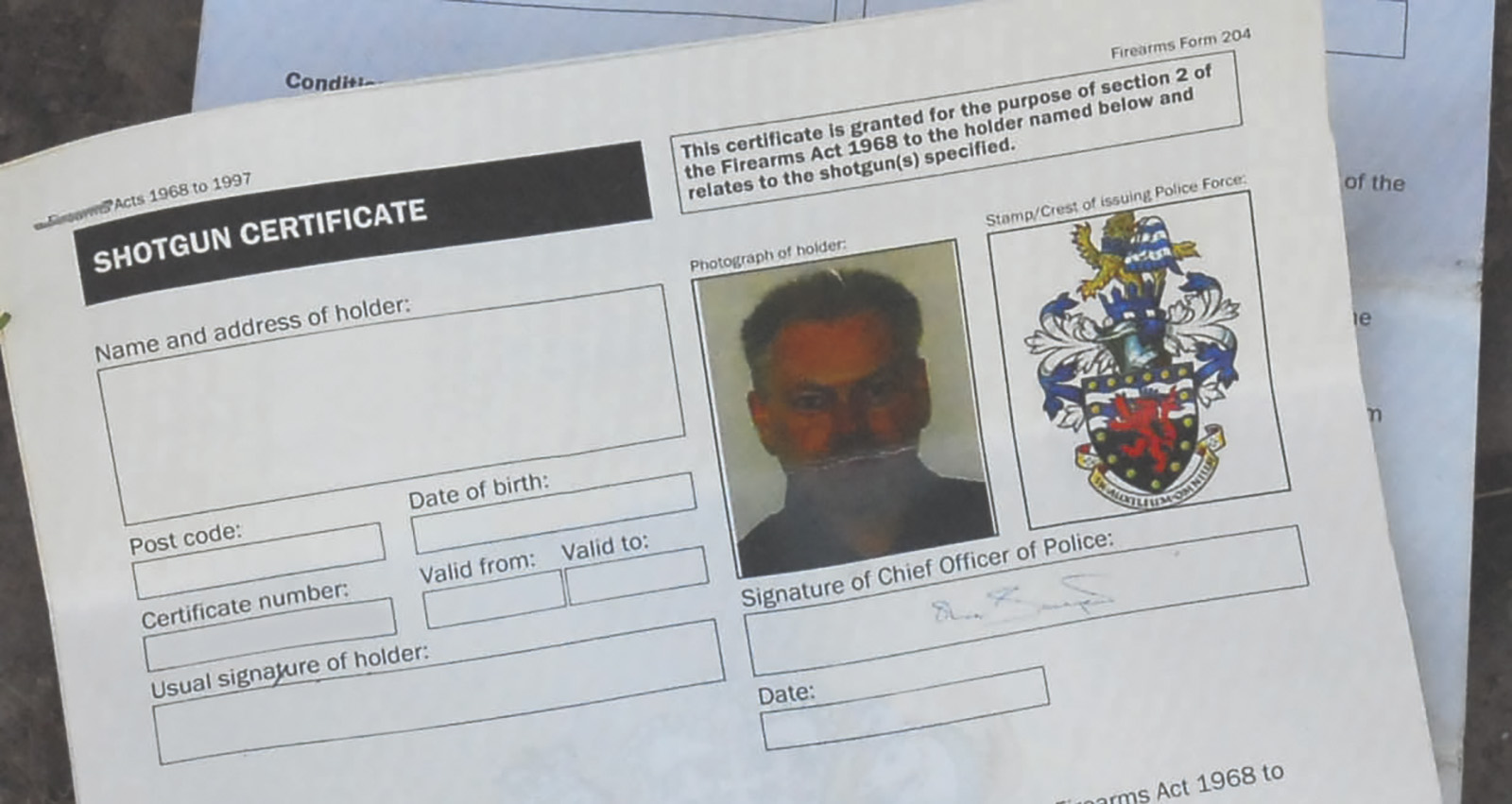
A report into the largest wildfire ever recorded on the North York Moors has renewed calls from moorland managers for a national wildfire strategy and a rethink of the rules on controlled burning
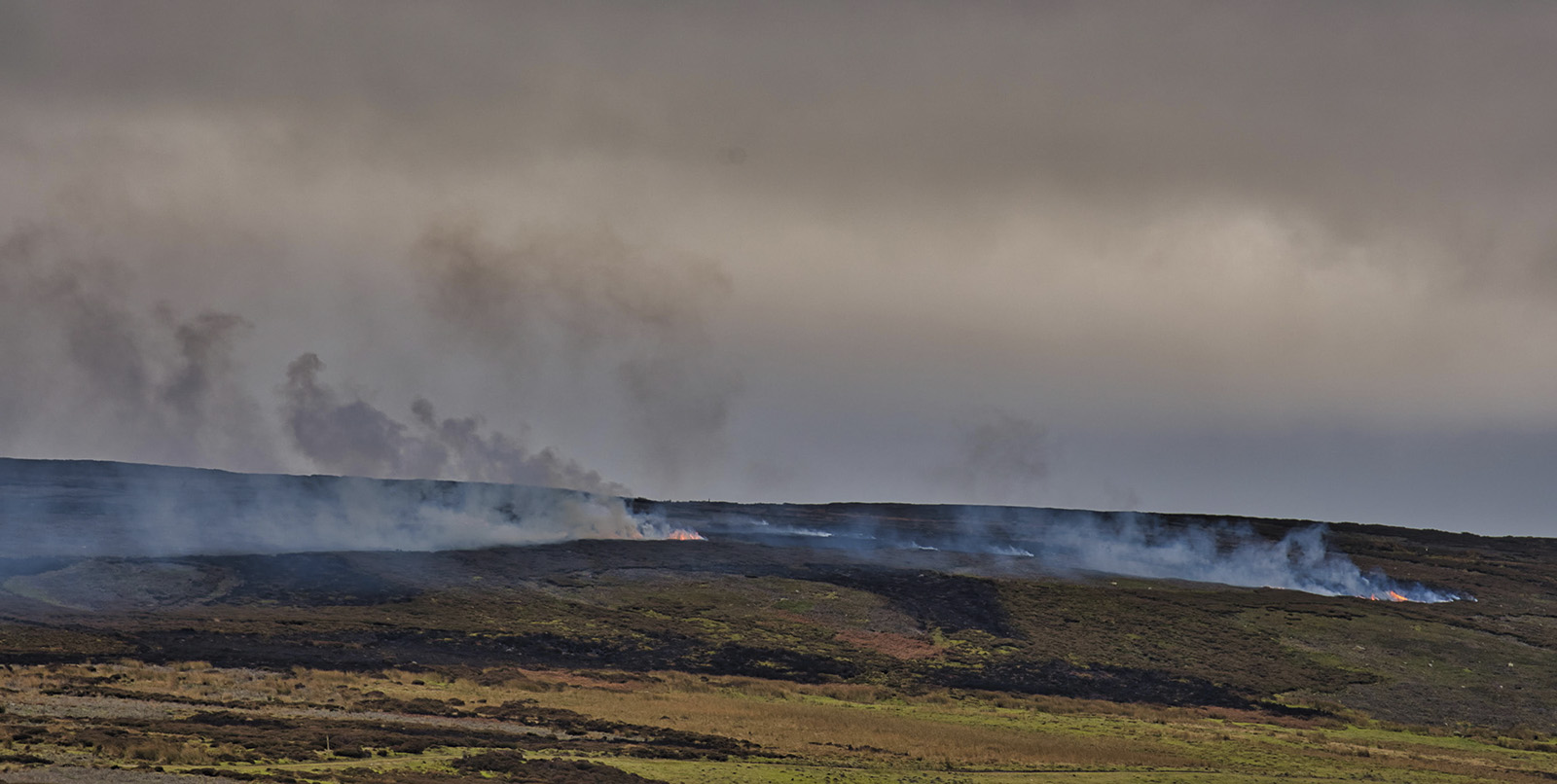
 Credit: SGA Media

A report into the largest wildfire ever recorded on the North York Moors has renewed calls from moorland managers for a national wildfire strategy and a rethink of the rules on controlled burning. North Yorkshire Fire and Rescue Service published its debrief on the Fylingdales Moor fire on 18 June, with the Moorland Association warning that unmanaged fuel loads are leaving the uplands dangerously exposed.
What happened on Fylingdales Moor?
The fire broke out on 11 August 2025 near RAF Fylingdales and burned across around 1,500 hectares of moorland and forest. It was one of the most significant incidents North Yorkshire Fire and Rescue Service has dealt with, and the largest wildfire recorded on the North York Moors.
Crews faced remote terrain, limited water supplies and the added hazard of unexploded ordnance on ground once used as a military training range. The service published its debrief and a redacted fire investigation report on 18 June.
What caused the fire?
Investigators concluded the blaze was most likely started by cooking with a naked flame, such as a campfire or gas burner. The finding has sharpened the moorland sector’s argument that the uplands need active management to reduce the risk when a fire does take hold.
Why does controlled burning matter?
Gamekeepers and estates use controlled burning, known in Scotland as muirburn, to create firebreaks and reduce the heather and dead vegetation that fuel summer wildfires. The Moorland Association says restrictions on that work, together with the absence of a co-ordinated national approach, leave moorland exposed.
The Association, which represents upland keepers and estates, says the Fylingdales fire released an estimated 54,000 tonnes of carbon dioxide and left 13 scheduled monuments at risk. It points to research, including a California study it cites as finding that low-severity burning cut the risk of the most severe wildfires by 92%.
What does the moorland sector want?
Moorland Association chief executive Andrew Gilruth has argued that policy should be judged on results on the ground. The Association says England still has no national wildfire framework, “yet flooding does”, and has set out its case in a letter to The Times.
The debate comes as the Government commits up to £3.2m to help the North York Moors recover from the 2025 fires, and as gamekeepers in Scotland refuse to endorse a revised Muirburn Code they say goes too far.
What happens next
North Yorkshire Fire and Rescue Service has published its full debrief and fire investigation report on its website. The Moorland Association continues to press for a national wildfire strategy and for controlled burning to be recognised as a tool for reducing wildfire risk.
Frequently Asked Questions
How big was the Fylingdales Moor fire?
It burned across around 1,500 hectares of moorland and forest after breaking out on 11 August 2025, making it the largest wildfire recorded on the North York Moors.
What caused the Fylingdales Moor fire?
North Yorkshire Fire and Rescue Service concluded it was most likely started by cooking with a naked flame, such as a campfire or gas burner.
What is controlled burning?
Controlled or prescribed burning, known in Scotland as muirburn, is the managed burning of small areas of heather and moorland vegetation to create firebreaks and reduce the fuel that drives summer wildfires.
Related Articles
Gamekeepers refuse to endorse Scotland's new muirburn code
Scotland's gamekeepers say they will not endorse the revised Muirburn Code when NatureScot publishes it on 1 July, warning that it strips out the tools they rely on to fight wildfire and puts public s...
By News Desk
Firearm and shotgun certificates fall to lowest levels in years
Firearm and shotgun certificate numbers in England and Wales have fallen again, with BASC saying the latest Home Office figures strengthen its case for a single national firearms licensing authority t...
By News Desk
Get the latest news delivered direct to your door
Subscribe to Shooting Times & Country
Discover the ultimate companion for fieldsports enthusiasts with Shooting Times & Country Magazine, the UK’s leading weekly publication that has been at the forefront of shooting culture since 1882. Subscribers gain access to expert tips, comprehensive gear reviews, seasonal advice and a vibrant community of like-minded shooters.
Save on shop price when you subscribe with weekly issues featuring in-depth articles on gundog training, exclusive member offers and access to the digital back issue library. A Shooting Times & Country subscription is more than a magazine, don’t just read about the countryside; immerse yourself in its most authoritative and engaging publication.