★ Your magazine. Your say. Complete our reader survey with a chance to win Jack Pyke kit worth £500! ★


Greys at 2.7 million, reds at 287,000: 150 years from one release
The Red Squirrel Survival Trust marks 150 years since the first grey squirrels were turned loose in Cheshire, with control work by shooters and keepers still holding the line while a contraceptive is developed
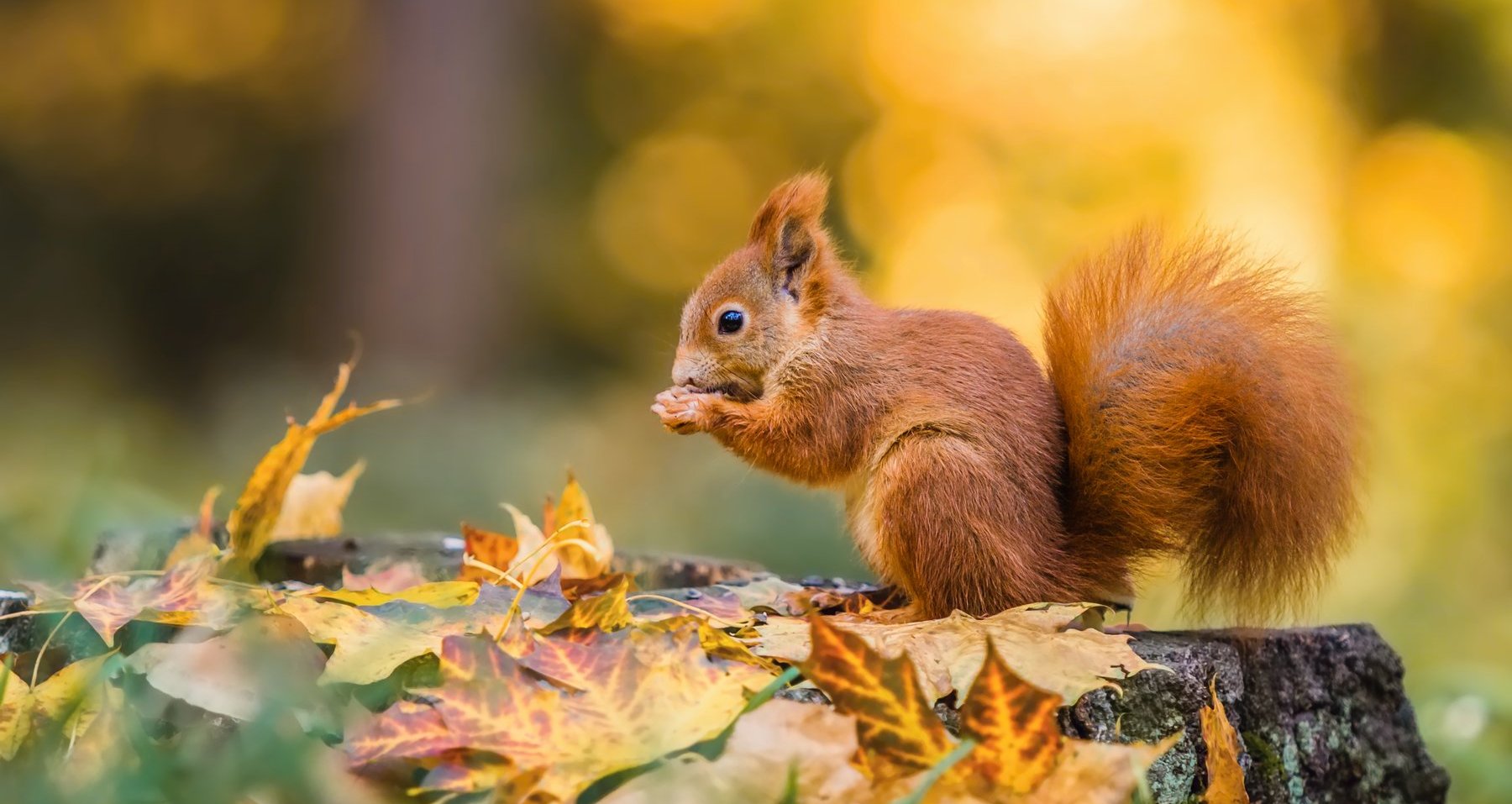

A century and a half ago, in 1876, a pair of North American grey squirrels was released into a park near Macclesfield in Cheshire as a novelty, and escaped. The Red Squirrel Survival Trust (RSST) marked the anniversary this week with the arithmetic of what followed: reds, then numbering about three million, now stand at roughly 287,000, while greys have reached 2.5 to 2.7 million.
Why did greys displace reds so completely?
Weight and fecundity, the trust says. At about 500g to the red’s 300g, greys outcompete reds for food and ground, and can produce up to eight kittens in two litters a year. The fatal edge is squirrelpox, which greys carry and transmit while reds die of it within weeks. Only about 39,000 reds remain in England and Wales together, with the balance of the population mostly in Scotland.
What is the damage beyond the reds?
Bark-stripping of oak, birch, beech and sycamore costs about £40m a year, and the Forestry Commission estimates grey damage could cost £1.1bn over the next 40 years, a direct threat to the national ambition to plant 1.5 billion trees. For shoots and keepers, grey control by trapping and shooting remains one of the most useful contributions the community makes to woodland health, and it is what holds local populations down while science catches up.
How close is the contraceptive?
Research funded through the RSST and the UK Squirrel Accord at the Animal and Plant Health Agency is developing an immunocontraceptive vaccine with a delivery system that only greys can access, estimated to be available to land managers in around five years. Models suggest a landscape-scale collapse in grey numbers once deployed alongside traditional control. The work has royal backing: the King, the trust’s patron, was briefed on it at the agency’s York campus in May, when scientists showed hazelnut paste laced with contraceptive delivered through weighted hoppers engineered to exclude the lighter reds.
An RSST spokesman said: “Britain and Ireland’s familiar woodland landscape is at risk from the exponential increase in the grey squirrel population, the virulent disease they carry, and the serious damage they cause to trees. The red squirrel must be allowed to flourish, giving visible proof of the health and viability of our native woods and forests.”
What happens next
The contraceptive programme continues at the Animal and Plant Health Agency with deployment trials ahead, and the trust is urging land managers to keep conventional control running in the meantime. The RSST’s full account of the anniversary is linked below.
Frequently asked questions
When were grey squirrels introduced to Britain?
The first recorded release was of a single pair in 1876, into a park near Macclesfield in Cheshire. Reds then numbered about three million.
How many red squirrels are left in the UK?
About 287,000, of which only around 39,000 are in England and Wales; most of the remainder are in Scotland. Greys number 2.5 to 2.7 million.
How much damage do grey squirrels cause?
About £40m a year, largely through bark-stripping of broadleaf trees, with the Forestry Commission estimating potential costs of £1.1bn over the next 40 years.
 Closes 15 JanuaryWorth £129.90Win a pair of tickets to the British Shooting Show 2027Enter nowFree to enter
Related Articles
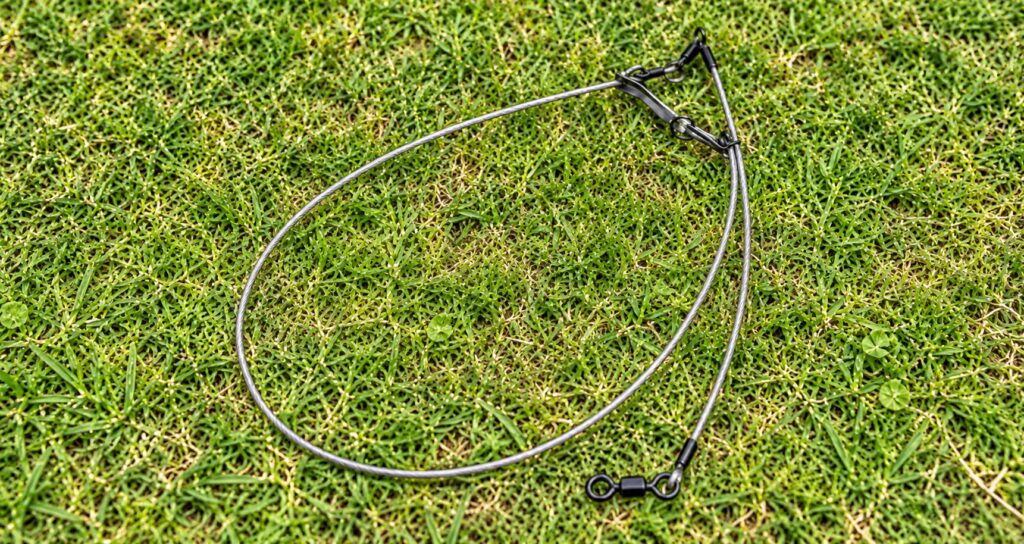
Defra pushing to ban snares in England ‘as swiftly as possible’
A written answer of Wednesday, 28 October hardens the Government’s language on a snare ban, with the department now “actively looking” to bring one into force, a direct hit on fox control on keepered...
By News Desk | 29 October 2026
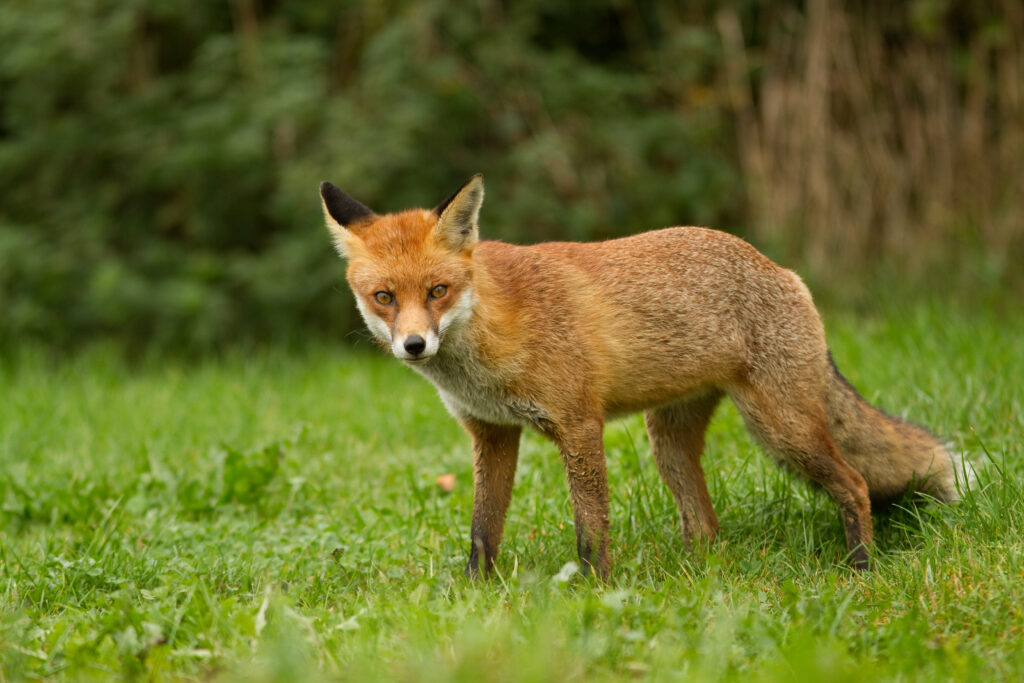
Pheasant releasing does not boost fox numbers, GWCT study finds
The peer-reviewed paper found no rise in fox activity on release sites, with keepers’ legal predator control the likely reason, days before the Department for Environment, Food and Rural Affairs (Defr...
By News Desk | 28 October 2026
Get the latest news delivered direct to your door
Subscribe to Shooting Times & Country
Discover the ultimate companion for fieldsports enthusiasts with Shooting Times & Country Magazine, the UK’s leading weekly publication that has been at the forefront of shooting culture since 1882. Subscribers gain access to expert tips, comprehensive gear reviews, seasonal advice and a vibrant community of like-minded shooters.
Save on shop price when you subscribe with weekly issues featuring in-depth articles on gundog training, exclusive member offers and access to the digital back issue library. A Shooting Times & Country subscription is more than a magazine, don’t just read about the countryside; immerse yourself in its most authoritative and engaging publication.

