★ Your magazine. Your say. Complete our reader survey with a chance to win Jack Pyke kit worth £500! ★


Pheasant releasing does not boost fox numbers, GWCT study finds
The peer-reviewed paper found no rise in fox activity on release sites, with keepers’ legal predator control the likely reason, days before the Department for Environment, Food and Rural Affairs (Defra) closes its gamebird call for evidence
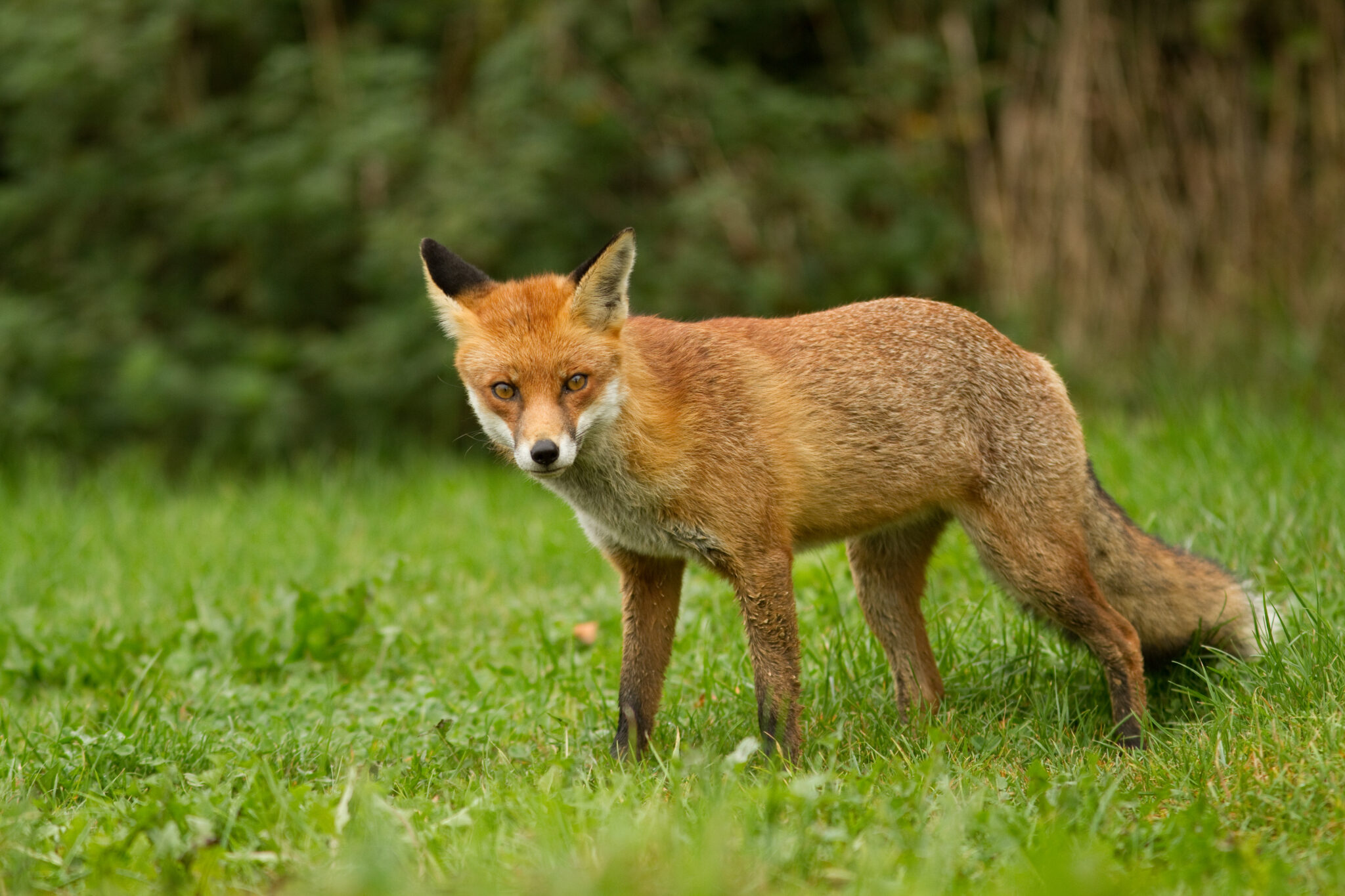

Pheasant releasing does not increase fox numbers, a peer-reviewed study by the Game & Wildlife Conservation Trust (GWCT) has found, countering one of the central claims made against gamebird management. The research, published in the journal Wildlife Biology as the Department for Environment, Food and Rural Affairs (Defra) gathers evidence on gamebird release in England, found no rise in fox activity when birds were released, and in the first year more signs of foxes on the farms that released none.
What did the fox study find?
Over 19 months, GWCT scientists compared eight pheasant release sites with 10 similar farmland sites in central southern England that released no gamebirds, walking a 3km survey route every three weeks and collecting 1,600 fox scats as the measure of fox activity.
There was no obvious increase in the number of scats found when gamebirds were released in late summer, the moment critics argue the landscape is flooded with easy prey. Legal predator control carried out by keepers on releasing estates is, the trust suggests, likely to be holding fox numbers at or below the levels found on surrounding farmland.
Dr Rufus Sage, head of lowland research at the GWCT and the paper’s author, said: “Our study shows similar or sometimes more fox activity on sites that do not release game, compared to otherwise similar releasing estates. Fox control carried out on estates that release game probably plays a significant role in suppressing fox numbers, although we could not look at that directly in this study. It is also possible that gamebird releasing does not necessarily attract foxes in the way that is sometimes assumed. This relationship between gamebird releasing and fox activity in the landscape is clearly more complex and variable than is reflected in the current debate.”
A counter to the predation claim as the review closes
Opponents of gamebird releasing often blame the abundance of pheasants for boosting fox populations and so increasing predation pressure on threatened ground-nesting birds. The paper lands in the final week of Defra’s call for evidence on the environmental, animal health and welfare impacts of rearing, releasing and shooting gamebirds in England, which closes at 23:59 on Sunday, 1 November.
Nick von Westenholz, chief executive of the GWCT, said: “Like all human activity in the countryside, pheasant releasing can have a negative impact, but this tends to be localised at the level of the pen and can be mitigated by following best practice guidelines. On the other hand, the benefits to wildlife are on a landscape scale.”
He pointed to trust research recording up to 100 times as many songbirds per hectare in game crops in winter as in surrounding farmland, up to 65% more hedgerow per square kilometre on estates with released-gamebird management, and 32% more wild birds in woodlands managed for pheasants. “Best practice gamebird management is helping boost biodiversity alongside productive farming on a national scale,” he said. “It represents a huge private investment in public goods which is critical to the Government’s efforts to reach its legally binding biodiversity recovery targets by 2030.”
What happens next
The full paper can be read in Wildlife Biology, and the trust’s wider evidence on the environmental impacts of gamebird management is gathered in its Game for Nature report, both linked below. Defra’s call for evidence closes at 23:59 on Sunday, 1 November; shoots, keepers and anyone with direct experience of rearing or releasing can still respond.
Frequently asked questions
Does releasing pheasants attract foxes?
The GWCT study found no increase in fox activity on pheasant release sites compared with similar farmland that released no birds, and in the first year it found more fox signs on the non-release sites.
How was the GWCT fox study carried out?
Scientists compared eight release sites with 10 non-release sites in central southern England over 19 months, walking a 3km route every three weeks and collecting 1,600 fox scats as the measure of activity.
When does the Defra gamebird call for evidence close?
The call for evidence on rearing, releasing and shooting gamebirds in England closes at 23:59 on Sunday, 1 November 2026.
 Closes 15 JanuaryWorth £129.90Win a pair of tickets to the British Shooting Show 2027Enter nowFree to enter
Related Articles

Defra puts £1.94m into Wildlife Trusts’ Rothbury Estate bid
The Government grant, announced at COP17, lands as the £30m appeal for the 9,486-acre Northumberland sporting estate enters its final week
By News Desk | 28 October 2026

PM's wildfire summit pledges £25m for peat and military aircraft
Andy Burnham promised military aircraft, £25m to rewet peat as firebreaks and help for farmers, as farming leaders pressed for prescribed burning support
By News Desk | 28 October 2026
Get the latest news delivered direct to your door
Subscribe to Shooting Times & Country
Discover the ultimate companion for fieldsports enthusiasts with Shooting Times & Country Magazine, the UK’s leading weekly publication that has been at the forefront of shooting culture since 1882. Subscribers gain access to expert tips, comprehensive gear reviews, seasonal advice and a vibrant community of like-minded shooters.
Save on shop price when you subscribe with weekly issues featuring in-depth articles on gundog training, exclusive member offers and access to the digital back issue library. A Shooting Times & Country subscription is more than a magazine, don’t just read about the countryside; immerse yourself in its most authoritative and engaging publication.

