

GWCT report: released gamebird management boosts farmland wildlife
Game for Nature draws on 25 years of GWCT science to show what keepers’ work for released birds does for songbirds, insects and hedgerows
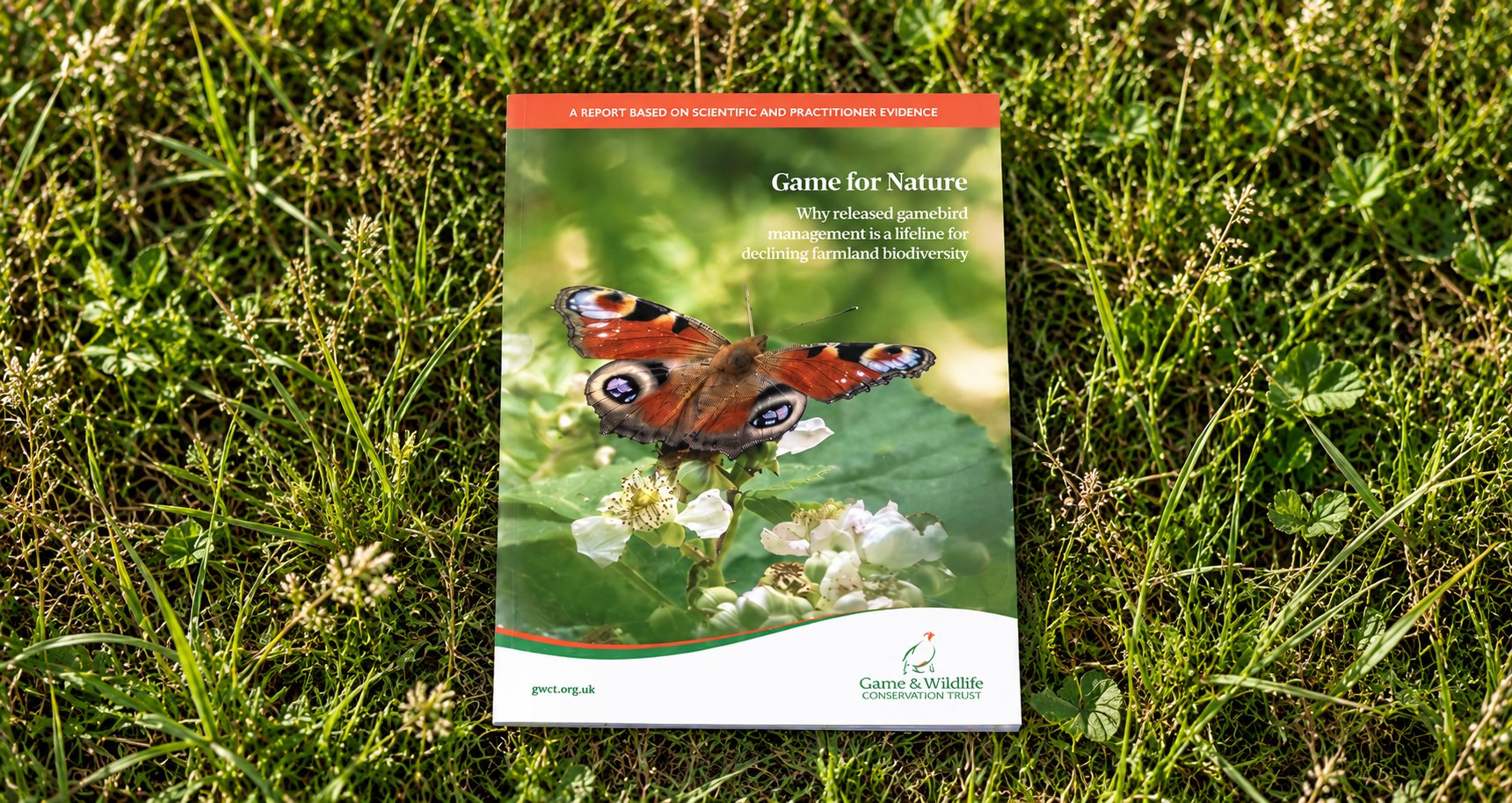

The Game & Wildlife Conservation Trust (GWCT) published Game for Nature: Why released gamebird management is a lifeline for farmland biodiversity on 22 September, less than six weeks before Defra’s call for evidence on gamebird release and shooting closes on 1 November. Its headline finding is that management for released game at the Trust’s Allerton Project demonstration farm at Loddington, Leicestershire, has more than doubled the number of breeding songbirds against a national trend of decline.
What does the report say gamekeepers deliver?
Nick von Westenholz, GWCT chief executive, said the work behind released gamebirds is “little understood by policymakers and the wider public”. “Gamekeepers don’t simply release pheasants and partridges into the countryside and walk away,” he said. “To sustain their birds, they create and maintain woodlands and hedgerows, distribute food during winter and provide protection from predators and these activities have been scientifically proven to benefit wildlife.”
The report gathers peer-reviewed GWCT studies from the past 25 years. Game crops held 15 times more butterflies, 40 times more bumblebees and 90% more weed species in summer than neighbouring arable crops, and in winter recorded up to 100 times as many songbirds per hectare. Estates managing released gamebirds carried up to 65% more hedgerow per square kilometre.
Songbirds account for one in four visits to pheasant feed hoppers in the hungry gap of late winter and early spring, the Trust found, and woodlands managed for pheasants held 32% more wild birds and twice as many butterflies as typical UK woods.
The negatives are local, the positives are landscape-scale
The report does not claim releasing is cost-free. It accepts that releasing can have negative effects, but says the evidence places them in and around pens and feed sites, where careful siting and adherence to the GWCT’s sustainable releasing guidelines can limit them, while the positive effects show at whole-farm and landscape scale.
Dr Roger Draycott, GWCT director of advisory, said: “Gamebird releasing is sometimes unfairly blamed for negative environmental impacts including increasing the fox population, reducing insect populations or spreading Avian Influenza, but there is little evidence for this. Such claims ignore the fact that with careful release site placement and adherence to best practice guidelines, any damaging impacts can be mitigated.”
“Conversely, provided game managers follow best practice guidance, within the wider countryside the impact for invertebrates, songbirds and a host of other wildlife is overwhelmingly positive,” he added.
Why has the GWCT published it now?
Defra opened its call for evidence on the rearing, release and shooting of gamebirds in England at the start of September, and the sector’s organisations have spent the month arguing over how the department will weigh what it receives. The GWCT has already published guidance for shoots on what counts as evidence, BASC has questioned the framing of the exercise, and the Moorland Association today put its own draft response in front of its members.
Mr von Westenholz said the report shows “a significant private investment in nature conservation which is essential if the Government is going to meet its legally binding biodiversity targets by 2030”. Dr Draycott said it would help “policymakers, conservation organisations and the wider public to understand the huge contribution to public goods it represents at no cost to the taxpayer”.
What happens next
The call for evidence closes at midnight on 1 November, and Defra has said that responses received after the deadline will not be analysed. Shoots preparing a submission can read Game for Nature in full on the GWCT website, where the report is published alongside a short explainer video, and check their own release practice against the Trust’s sustainable gamebird releasing guidelines.
Frequently asked questions
What is the GWCT’s Game for Nature report?
A report published on 22 September 2026 that brings together 25 years of the Trust’s peer-reviewed research on the wildlife effects of managing land for released pheasants and partridges, written to inform Defra’s call for evidence on gamebird release and shooting.
Does pheasant releasing harm insects or spread bird flu?
The GWCT says there is little evidence for either claim, and that the negative effects the research does find are concentrated around release pens and feed sites, where siting and best practice can limit them.
When does Defra’s gamebird call for evidence close?
At midnight on 1 November 2026. Defra says late submissions will not be analysed.
 Closes 15 JanuaryWorth £129.90Win a pair of tickets to the British Shooting Show 2027Enter nowFree to enter
Related Articles
BASC Council elections 2027: nominations open for two seats
The association wants members with the judgement to shape its strategy and hold it to account, for a five-year term, around eight meetings a year and a £350 attendance allowance. What the job involves...
By News Desk | 12 November 2026
Deer collision warnings run on eight Highland trunk roads in November
NatureScot and Transport Scotland have put dawn and dusk alerts on the A9, A82, A96 and five other trunk roads for the rest of the month, with mobile signs at Lochend on Loch Ness, where collisions wi...
By News Desk | 12 November 2026
Get the latest news delivered direct to your door
Subscribe to Shooting Times & Country
Discover the ultimate companion for fieldsports enthusiasts with Shooting Times & Country Magazine, the UK’s leading weekly publication that has been at the forefront of shooting culture since 1882. Subscribers gain access to expert tips, comprehensive gear reviews, seasonal advice and a vibrant community of like-minded shooters.
Save on shop price when you subscribe with weekly issues featuring in-depth articles on gundog training, exclusive member offers and access to the digital back issue library. A Shooting Times & Country subscription is more than a magazine, don’t just read about the countryside; immerse yourself in its most authoritative and engaging publication.

