★ Your magazine. Your say. Complete our reader survey with a chance to win Jack Pyke kit worth £500! ★


Hare close season unlikely before 2027 breeding season, ministers say
A written answer of Friday, 30 October says ministers still need a bill to carry the change, pushing any new protection beyond February 2027
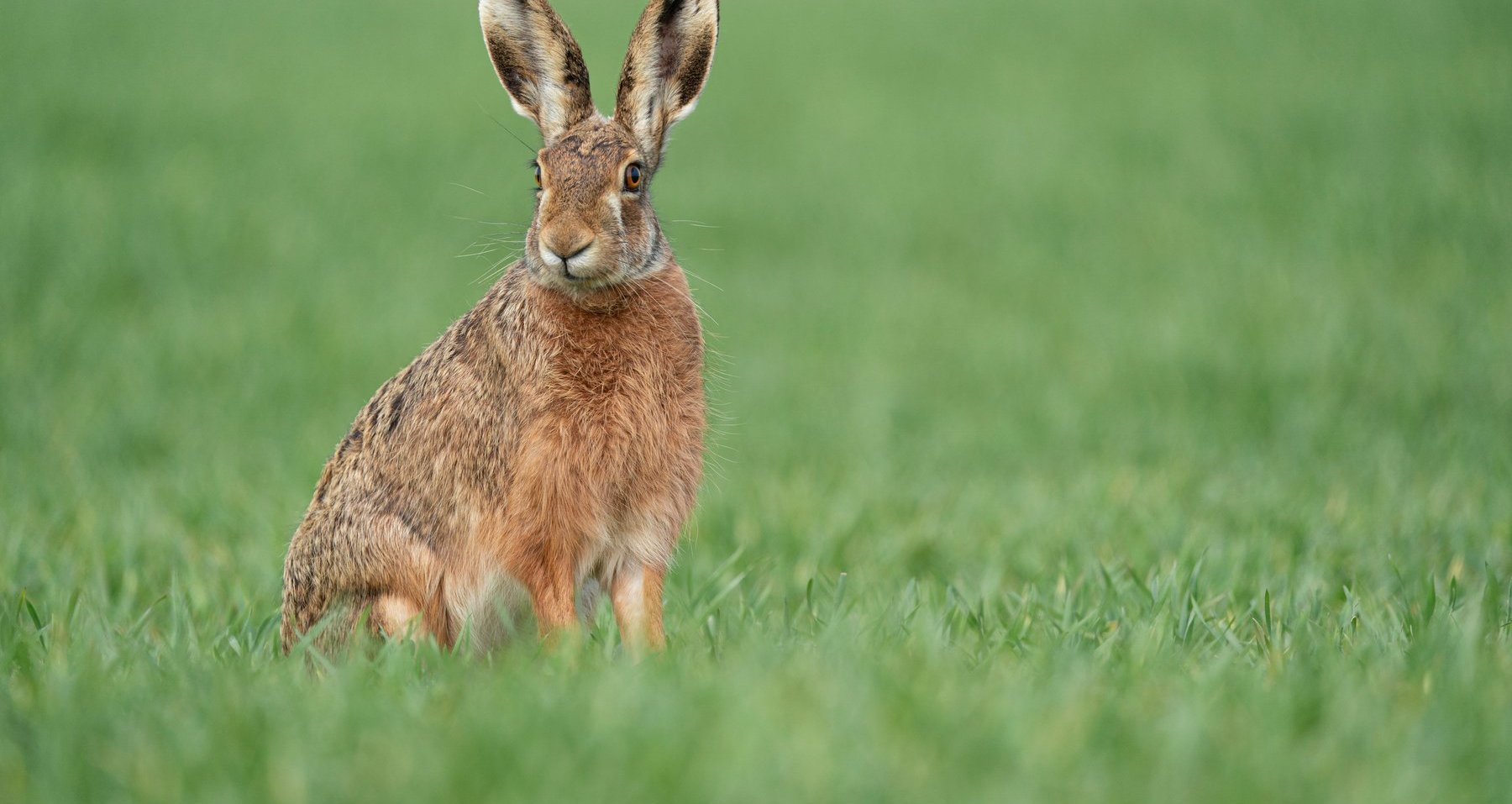

A statutory close season for hares in England is unlikely to be in place before the breeding season that opens in February 2027, the Department for Environment, Food and Rural Affairs (Defra) has told MPs. The written answer of Friday, 30 October is the Government’s clearest signal yet on timing since its Animal Welfare Strategy committed to considering the change.
What exactly did Defra say?
Answering Sarah Dyke (Liberal Democrat, Glastonbury and Somerton), environment minister Jenny Riddell-Carpenter said in full: “This Government’s Animal Welfare Strategy is clear we will consider how to bring forward and introduce a close season for hares. A close season should reduce the number of adult hares being shot in the breeding season, which runs from February to October, meaning that fewer leverets (infant hares) are left motherless and vulnerable to starvation and predation. This Government needs a suitable primary legislative vehicle in place to deliver this change. Defra will do its utmost to look for suitable opportunities to take this measure forward. It is unlikely this could be done before the start of the 2027 breeding season.”
Where does the law stand on hares now?
England has no statutory close season for brown hares, although the Hares Preservation Act 1892 bars the sale of hares and leverets between March and July. Scotland has had close seasons since the Wildlife and Natural Environment (Scotland) Act 2011, and Wales consulted this autumn on introducing its own under the wild animal welfare white paper, with that consultation closing on 19 October.
A private member’s bill, the Hares (Close Season etc.) Bill, is listed for its second reading in the Commons on 19 March 2027. The Countryside Alliance opposed the Welsh proposal when it was published, and shoots in England continue to operate voluntary restraint in the breeding months.
The answer also lands two days after the same minister told MPs that Defra was “actively looking” to bring a ban on snares into force “as swiftly as possible”. Both measures sit in the Government’s Animal Welfare Strategy, both need primary legislation, and neither yet has a named bill, which makes the hunt for a legislative vehicle the common bottleneck for the strategy’s countryside measures.
What happens next
Defra says it will look for a legislative vehicle, but none is named and no bill is promised in this session. The Welsh Government’s response to its consultation is awaited, and the Hares Bill’s second reading in March 2027 is the next fixed parliamentary moment. For shoots and keepered ground the practical position is unchanged for the season under way: with no statutory close season in force, voluntary restraint in the breeding months remains the only close-season protection hares have in England, and any change will come with notice through Parliament.
Frequently asked questions
Is there a close season for hares in England?
No. England has no statutory close season for hares; the Hares Preservation Act 1892 only bars the sale of hares and leverets between March and July.
When do hares breed?
Defra describes the brown hare breeding season as running from February to October, which is why campaigners want shooting restricted in those months.
What would a close season change?
It would make it an offence to shoot hares during the protected months, as has applied in Scotland since the Wildlife and Natural Environment (Scotland) Act 2011.
 Closes 15 JanuaryWorth £129.90Win a pair of tickets to the British Shooting Show 2027Enter nowFree to enter
Related Articles
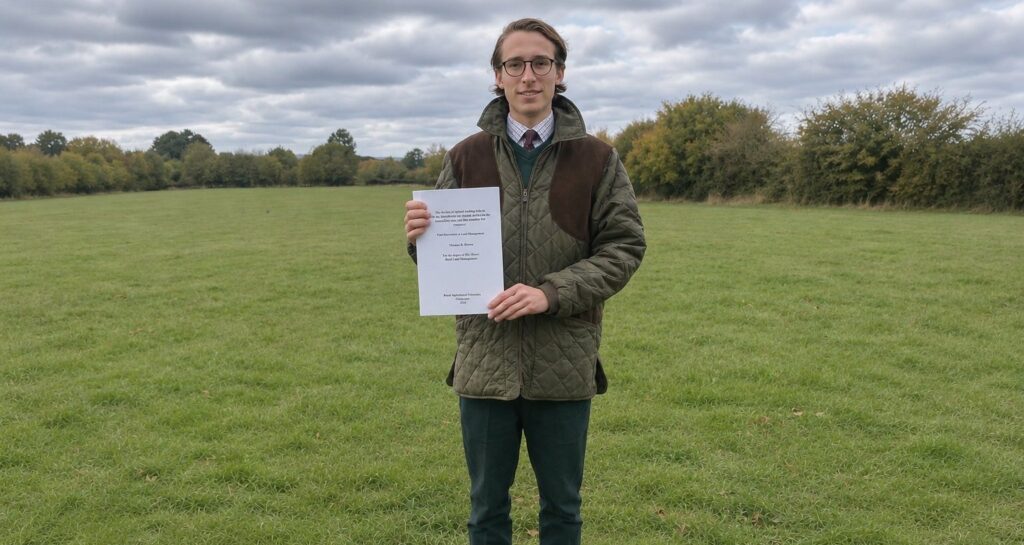
Game shooting can be justified, student, 17, tells Government review
Felix Hodgkinson-Last weighed both sides of the argument for his A-level project, concluded the sport can be justified, and filed it as evidence
By News Desk | 5 November 2026
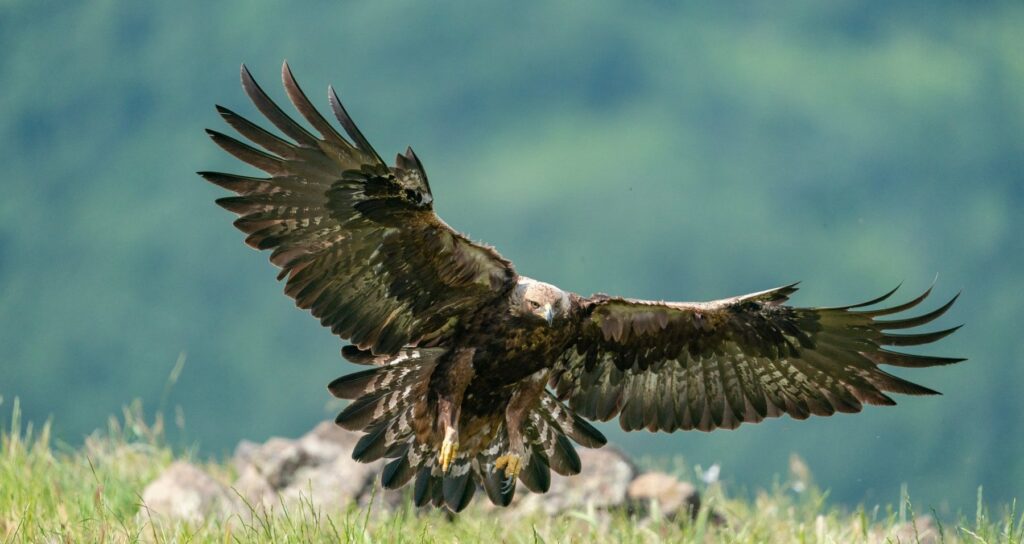
Golden eagle chick raised on grouse moor is a southern Scotland first
Keepers who work the moor have named him Beaky Junior, as the project behind the recovery counts more than 50 eagles in southern Scotland, a 300-year high
By News Desk | 5 November 2026
Get the latest news delivered direct to your door
Subscribe to Shooting Times & Country
Discover the ultimate companion for fieldsports enthusiasts with Shooting Times & Country Magazine, the UK’s leading weekly publication that has been at the forefront of shooting culture since 1882. Subscribers gain access to expert tips, comprehensive gear reviews, seasonal advice and a vibrant community of like-minded shooters.
Save on shop price when you subscribe with weekly issues featuring in-depth articles on gundog training, exclusive member offers and access to the digital back issue library. A Shooting Times & Country subscription is more than a magazine, don’t just read about the countryside; immerse yourself in its most authoritative and engaging publication.

