★ Your magazine. Your say. Complete our reader survey with a chance to win Jack Pyke kit worth £500! ★


Hill-goers urged to check stalking routes as stag season peaks
Deer managers and NatureScot are pointing walkers to the 'Heading for the Scottish Hills' service as culls come under growing pressure to deliver national targets


Deer managers moving into the busiest weeks of the stag season are asking hill-goers to plan their routes using the ‘Heading for the Scottish Hills’ service, in a joint call from NatureScot, the Association of Deer Management Groups (ADMG) and Mountaineering Scotland. The first three weeks of October are the peak of the stag cull, with the later weeks of the hind season, which runs from 21 October to 15 February, the next pressure point.
How does Heading for the Scottish Hills help stalkers?
The service, part of the Scottish Outdoor Access Code website, lets estates post where stalking is taking place so that walkers and climbers can plan routes that avoid disturbing it. More than 4,600 people used the pages in the past year, most of them during the autumn peak.
Ali Tait, NatureScot people and places officer for access and visitor management, said: “By using this service, people are planning hill routes that reduce the chance of disturbing stalking, in line with the Scottish Outdoor Access Code. The service is still growing, and we would encourage landowners and land managers to sign up if they haven’t already.”
NatureScot notes that fewer routes are affected on Saturdays, and that stalking does not usually take place on Sundays.
Culls under pressure to deliver
The call comes with cull targets carrying more weight than ever. Tom Turnbull, chairman of the ADMG, said: “Deer managers are under increasing pressure to complete culls in line with the objectives of the Natural Environment (Scotland) Act 2026. The Heading for the Scottish Hills service provides a vital tool in enabling deer managers to deliver targets for climate and biodiversity. It is greatly appreciated when signage is followed and advice is taken by those taking access, thereby limiting disturbance at this important time of year.”
Catriona Davies, access and conservation officer at Mountaineering Scotland, said: “Autumn is a fantastic time to get out into the hills and, as responsible access users, we need to be aware it is also an important time of year for deer management.”
What happens next
Estates and deer managers who are not yet on the service are encouraged to sign up ahead of the October peak, and stalkers can expect the heaviest hill traffic on Saturdays through the autumn. Hill-goers can check affected routes before setting out via the Scottish Outdoor Access Code website.
Frequently asked questions
When is the busiest period for deer stalking in Scotland?
The first three weeks of October are the busiest for stag stalking, while the later weeks of the hind season, from 21 October to 15 February, are the busiest for hinds.
Can I walk in the hills during stalking season?
Yes. Access rights continue under the Scottish Outdoor Access Code, but walkers are asked to check the Heading for the Scottish Hills service and plan routes that avoid disturbing stalking. Fewer routes are affected on Saturdays, and stalking does not usually take place on Sundays.
How do estates join Heading for the Scottish Hills?
Landowners and land managers can sign up through the service on the Scottish Outdoor Access Code website; NatureScot is encouraging those not yet listed to join ahead of the autumn peak.
Related Articles

Curlew recovery hinges on keepered ground, BTO modelling shows
Fencing and predator control are saving nests but not chicks, and the report warns that losing grouse-moor management would halve population growth
By News Desk | 10 September 2026
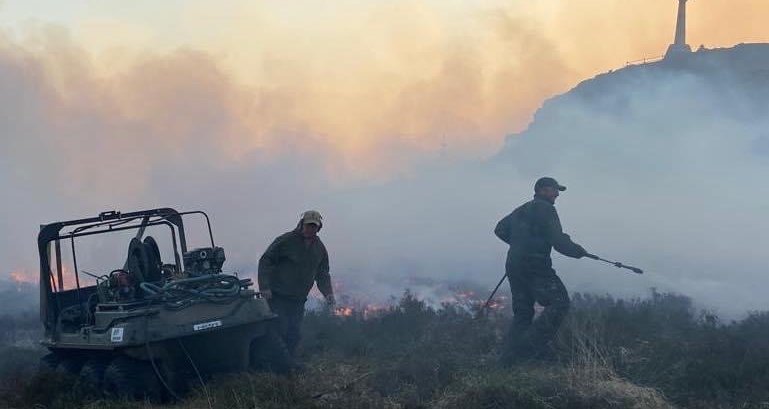
Moorland Association demands statutory wildfire board
The association wants a legal duty to cut fuel loads and gamekeepers formally written into regional fire planning, after a 2025 season it says burned 46,000 hectares
By News Desk | 8 September 2026
Get the latest news delivered direct to your door
Subscribe to Shooting Times & Country
Discover the ultimate companion for fieldsports enthusiasts with Shooting Times & Country Magazine, the UK’s leading weekly publication that has been at the forefront of shooting culture since 1882. Subscribers gain access to expert tips, comprehensive gear reviews, seasonal advice and a vibrant community of like-minded shooters.
Save on shop price when you subscribe with weekly issues featuring in-depth articles on gundog training, exclusive member offers and access to the digital back issue library. A Shooting Times & Country subscription is more than a magazine, don’t just read about the countryside; immerse yourself in its most authoritative and engaging publication.