★ Your magazine. Your say. Complete our reader survey with a chance to win Jack Pyke kit worth £500! ★


Grass moors burn biggest but heather hottest, study finds
Satellite analysis of 206 wildfires reported by the Moorland Association finds managed moorland carried smaller fires than unmanaged ground
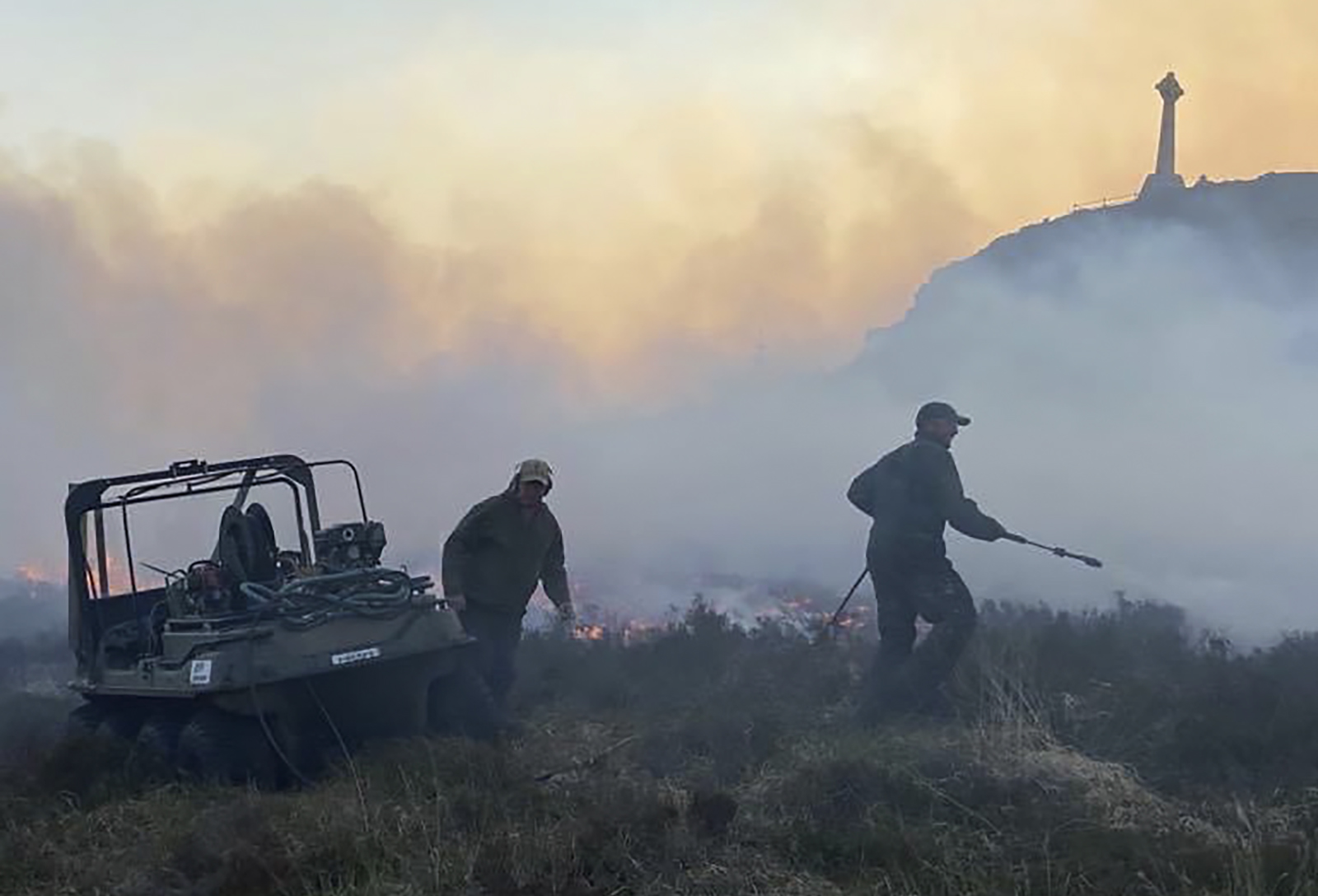

Wildfires on grass-dominated moors burn far bigger than those on heather, but heather fires burn hottest, according to a peer-reviewed satellite study of 206 wildfires across England and Wales highlighted by the Moorland Association. The moorland wildfire findings land a week before the Twelfth, with fuel loads at the centre of the summer’s fire debate.
What did the satellite analysis find?
As reported by the association, fires on moorland dominated by Molinia, or purple moor-grass, averaged 169 hectares, roughly nine times the 19-hectare average on heather-dominated ground. Heather fires, though smaller, burned with the greatest severity of any moorland type in the study. Ground managed with controlled burning carried smaller wildfires than unmanaged ground.
Does peatland restoration reduce wildfire?
The finding with most bite for the current policy argument is that the analysis found no measurable reduction in wildfire size or severity on restored peatland. Rewetting has repeatedly been offered as the alternative to controlled burning; on this evidence, the association argues, restoration alone cannot be assumed to fireproof the hills while heavy fuel loads remain.
What does it mean for moorland management?
The association reads the study as support for the fuel-load management gamekeepers already deliver: controlled winter burning and cutting that keep vegetation loads down before summer droughts arrive. The findings follow its call this week for an independent review of wildfire risk on rewilded land after the Dunwich Heath fire, and a summer in which fires have burned on moorland and heathland across Britain.
What happens next?
The Environment, Food and Rural Affairs Committee’s wildfire inquiry continues to gather evidence, and Scotland’s muirburn licensing regime is due in force on 15 September, so the science of fuel and fire will stay at the centre of policy on both sides of the border. The association’s summary of the research, with the full findings, is on the Moorland Association website.
Frequently asked questions
Why do grass moors burn bigger than heather moors?
Molinia grassland cures into a continuous bed of dead, dry fuel that carries fire quickly across large areas, while heather ground tends to carry smaller fires that burn more severely.
Does rewetting peatland stop wildfires?
Not by itself, on this analysis: the study found no measurable reduction in wildfire size or severity on restored peatland while fuel loads remain.
What is controlled burning for?
Cool winter burns remove surface fuel in small patches so summer wildfires have less to feed on, which the study links to smaller fires on managed ground.
Related Articles

Tindall, Haskell and Payne to host British Shooting Show main stage
The trio behind The Good, The Bad and The Rugby take the main stage on the afternoon of Friday 12 February 2027 and host the Great British Shooting Awards, the trade ceremony that last year crowned a ...
By News Desk | 29 September 2026

New medical conditions added to firearm and shotgun certificates
Certificates granted from 29 September will require holders to tell police of new diagnoses and any treatment outside their GP practice
By News Desk | 29 September 2026
Get the latest news delivered direct to your door
Subscribe to Shooting Times & Country
Discover the ultimate companion for fieldsports enthusiasts with Shooting Times & Country Magazine, the UK’s leading weekly publication that has been at the forefront of shooting culture since 1882. Subscribers gain access to expert tips, comprehensive gear reviews, seasonal advice and a vibrant community of like-minded shooters.
Save on shop price when you subscribe with weekly issues featuring in-depth articles on gundog training, exclusive member offers and access to the digital back issue library. A Shooting Times & Country subscription is more than a magazine, don’t just read about the countryside; immerse yourself in its most authoritative and engaging publication.