★ Your magazine. Your say. Complete our reader survey with a chance to win Jack Pyke kit worth £500! ★


Natural England lifts delayed release condition on six SPAs
Shoots on six Special Protection Areas will no longer be held to a 1 September release date, after the regulator reconsidered the avian influenza risk
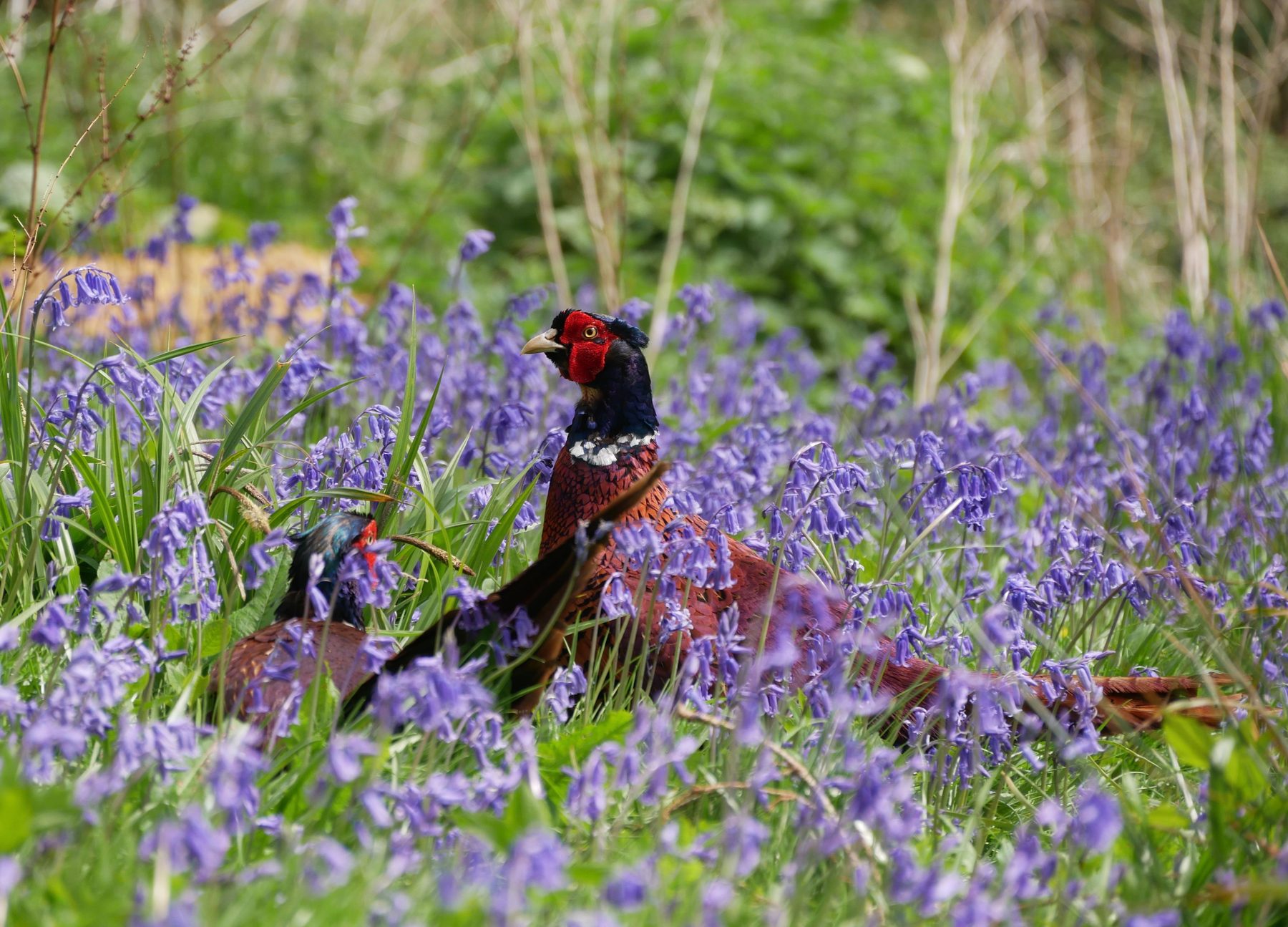

Natural England has removed the delayed release date of 1 September from the likely licensing outcomes for gamebird releasing on six Special Protection Areas in England. The change, confirmed to shooting organisations last week and announced by BASC on 4 August, means shoots on those sites can release under standard conditions this season.
Which sites are affected?
Six SPAs are covered: Ashdown Forest, East Devon Heaths, North York Moors, Peak District Moors (South Pennine Moors Phase 1), South Pennine Moors Phase 2, and Thorne and Hatfield Moors.
Applicants on all six had previously been told they were likely to be licensed only with a 1 September release date attached. Natural England now says standard conditions will apply. Shoots already holding a licence with the delayed date will have the condition removed, and the regulator has emailed affected licence holders directly.
The regulator’s approach to every other SPA is unchanged. Sites carrying a 1 October delayed release date keep it, and so do sites where Natural England considers a release highly unlikely to be permitted.
Why has Natural England changed its position?
The individual licensing regime for releasing common pheasants and red-legged partridges on or within 500m of an SPA was introduced in March. It replaced general licence cover because of the risk that released gamebirds could carry highly pathogenic avian influenza into wild bird populations on protected sites.
That risk assessment has since moved. The national risk level for avian influenza was reduced to low in May, and the National Gamekeepers’ Organisation reports there have been two incidences of the disease in England since the start of that month. BASC and other organisations met Natural England’s licensing team last week for an update on releasing on and near SPAs, and the six-site change was confirmed there.
What are shooting organisations saying?
Dr Marnie Lovejoy, BASC’s deputy director of conservation, said: “This is a welcome change and one that will make a positive difference to the shoots involved.”
She added: “BASC had asked NE to review its approach sooner, in light of the reduced risk from avian influenza. We believe there are further changes that could be made and so we will continue to seek a proportionate, evidence-based approach to licensing.”
The National Gamekeepers’ Organisation welcomed the recognition that the avian influenza risk had fallen, but said the announcement had come frustratingly late in the summer, when most shoots had already prepared around the release date they were given in March.
How does this sit with the High Court case?
The announcement comes weeks after BASC won its High Court challenge against Natural England over the licensing regime. Yesterday this site reported that the regulator’s published licence conditions had not changed since March in the wake of that judgment; the six-site announcement is the first substantive movement since.
The NGO says the court is expected to make further decisions in the case in September, which could change the licensing position again before or during the release season.
What happens next
Shoots on the six named SPAs that hold a licence with the 1 September condition should have received an email from Natural England confirming the removal; anyone who has not can check with their local BASC team. Pending applications on those sites will be granted without the condition.
Natural England issued further information on gamebird release licensing on 4 August, published on its A10 and A48 guidance page, and its likely licensing outcomes for all other sites remain applicable. Further decisions in the BASC case are expected in September.
Frequently asked questions
Which SPAs no longer have a delayed release date?
Ashdown Forest, East Devon Heaths, North York Moors, Peak District Moors (South Pennine Moors Phase 1), South Pennine Moors Phase 2, and Thorne and Hatfield Moors.
Do I need to reapply for my licence?
No. Natural England says the delayed release condition will be removed for existing licence holders on the six sites, and it has emailed those affected. Pending applications will be granted without the condition.
Does this change apply to all Special Protection Areas?
No. Natural England’s approach to every other SPA is unchanged, including sites with a 1 October delayed release date and sites where release is highly unlikely to be permitted.
Why was the delayed release condition imposed in the first place?
The individual licensing regime was introduced in March because of the risk that released gamebirds could pass highly pathogenic avian influenza to wild birds on protected sites. The national risk level fell to low in May.
 Closes 15 JanuaryWorth £129.90Win a pair of tickets to the British Shooting Show 2027Enter nowFree to enter
Related Articles
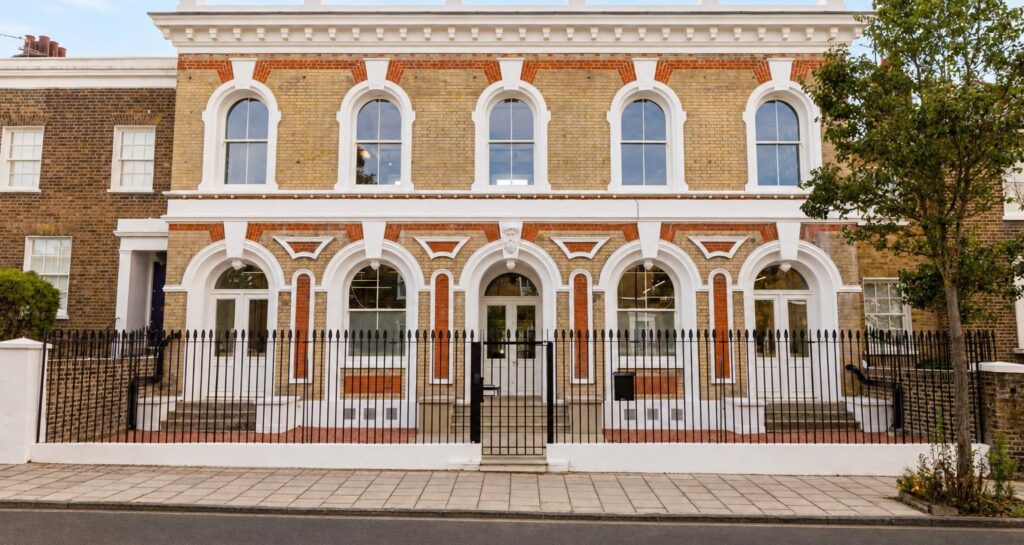
Rigby opens Grade II-listed London home with museum
The 251-year-old gunmaker has moved to a converted ballet school in Clapham, where visitors can watch guns being made and see Jim Corbett’s rifle at the heart of the showroom
By News Desk | 14 October 2026
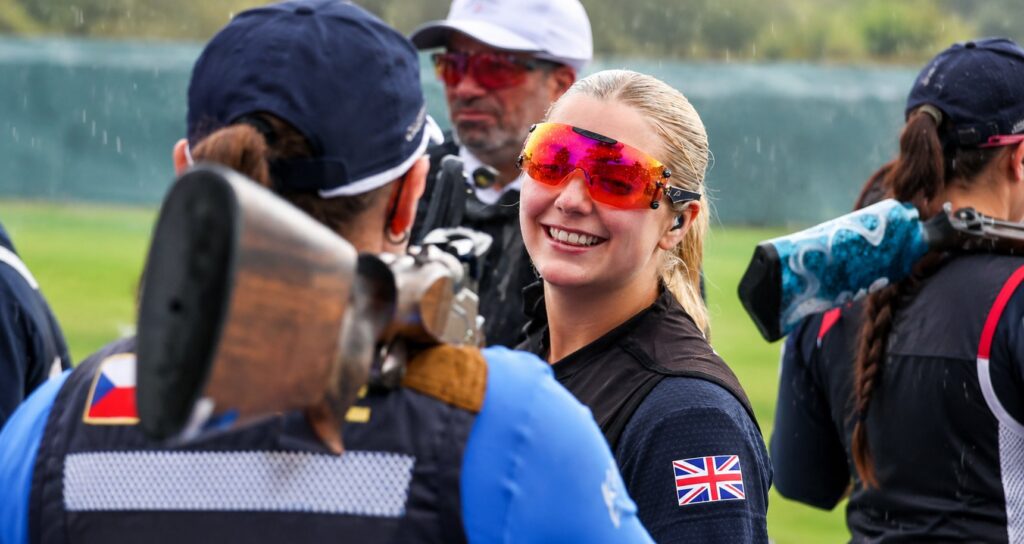
Amber Rutter crowned European Skeet champion in Greece
The Olympic silver medallist beat Italy’s Diana Bacosi by a single target in Malakasa, on a week when two GB juniors also took European bronze
By News Desk | 14 October 2026
Get the latest news delivered direct to your door
Subscribe to Shooting Times & Country
Discover the ultimate companion for fieldsports enthusiasts with Shooting Times & Country Magazine, the UK’s leading weekly publication that has been at the forefront of shooting culture since 1882. Subscribers gain access to expert tips, comprehensive gear reviews, seasonal advice and a vibrant community of like-minded shooters.
Save on shop price when you subscribe with weekly issues featuring in-depth articles on gundog training, exclusive member offers and access to the digital back issue library. A Shooting Times & Country subscription is more than a magazine, don’t just read about the countryside; immerse yourself in its most authoritative and engaging publication.