★ Win four pegs on a Kent simulated game day with JBD Sporting worth £1,000! Click to enter ★

Natural history GCSE: can a new subject bridge the gap?
If shooting helps to shape it, a new natural history GCSE could open teenagers’ eyes to land management, says Conor O’Gorman
 BASC hopes the new subject will introduce fieldsports to a wider audience. Credit: Caiaimage/Chris Ryan/iStock via Getty Images

We constantly read and hear in the media about the need to reconnect people with nature. That’s a hard concept to fathom for anyone with an interest in fieldsports.
Many of us were introduced to the outdoors by a family member from a young age, and as a result gained a lifelong interest in the natural world. My earliest memories are of worm fishing for small trout in mountain streams with my dad and grandad. Being out for hours on end led to curiosity about nearby plants, insects, birds and mammals. It was a pathway to environmental awareness, and decades later every outing continues to be another school day.
How the natural history GCSE came about
In September 2028, GCSE students will likely have the option to take natural history as a subject. It’s been a long time coming. The idea was publicly mooted in 2011 by Mary Colwell, an award-winning environmental author and campaigner. In 2019 she founded Curlew Action, which recognises the need for fox and corvid control as a conservation tool. The Department for Education is currently consulting on the content of the course, which would be an option for pupils aged 14 to 16 in England.
On the face of it, this new GCSE has the potential to inspire and educate tens of thousands of teenagers about British flora and fauna and the importance of wildlife and land management in conservation. Pupils will spend at least 20 hours doing fieldwork, which could offer opportunities for shoots to host field trips for local schools, demonstrating how habitat management and predator control help boost biodiversity.
Let’s Learn Moor is a great example of what can be achieved through a collaborative approach. Now in its tenth year, the annual event has introduced more than 16,000 young people to the environmental, cultural and economic importance of the uplands. Its success is thanks to gamekeepers, farmers, National Park staff, emergency services, water companies, conservation organisations, private estates and Regional Moorland Groups all working together with a shared interest in educating young people.
The Department for Education says the course is explicitly designed to prepare students for “green careers”, supporting progression to A-level study, vocational pathways, employment and further environmental education. For the shooting sector, this could act as a valuable route into Level 3 Land and Wildlife Management courses, supporting the next generation of gamekeepers, stalkers and estate managers.
Where the new GCSE could go wrong for shooting and farming
There is, of course, the other side of the coin – the risk of this GCSE evolving into a vehicle for misinformation, where farming and shooting are presented as problems to be solved rather than solutions to be supported.
It will be interesting to see what the uptake might be. Will it be mostly teenagers who already have an interest in nature, wanting to know more, or newcomers hoping for an easy course? There are generations of families spending little time outside their immediate surroundings. From my own experience, I am concerned to see so many people whose primary contact with nature is via television documentaries, their views on environmental issues shaped by misinformed presenters and social media influencers.
Perhaps some of us can fill the gap and offer to help with the fieldwork aspects of the new course. Fieldsports are the original form of natural history in practice, so perhaps the onus is on us to engage proactively with local schools rather than moaning from afar should the antis take over the narrative.
Dr Conor O’Gorman is BASC’s head of policy and campaigns. He has over 25 years of experience in conservation and land management and a keen interest in wild grey partridges. Contact him at conor.ogorman@basc.org.uk
Frequently asked questions
When would the natural history GCSE be taught?
From September 2028, GCSE students will likely have the option to take natural history as a subject. It would be an option for pupils aged 14 to 16 in England, and the Department for Education is currently consulting on the content of the course.
Who first proposed a natural history GCSE?
The idea was publicly mooted in 2011 by Mary Colwell, an award-winning environmental author and campaigner. In 2019 she founded Curlew Action, which recognises the need for fox and corvid control as a conservation tool.
What is Let’s Learn Moor?
Let’s Learn Moor is an annual upland education event, now in its tenth year, which has introduced more than 16,000 young people to the environmental, cultural and economic importance of the uplands. It is run collaboratively by gamekeepers, farmers, National Park staff, emergency services, water companies, conservation organisations, private estates and Regional Moorland Groups.
Related Articles
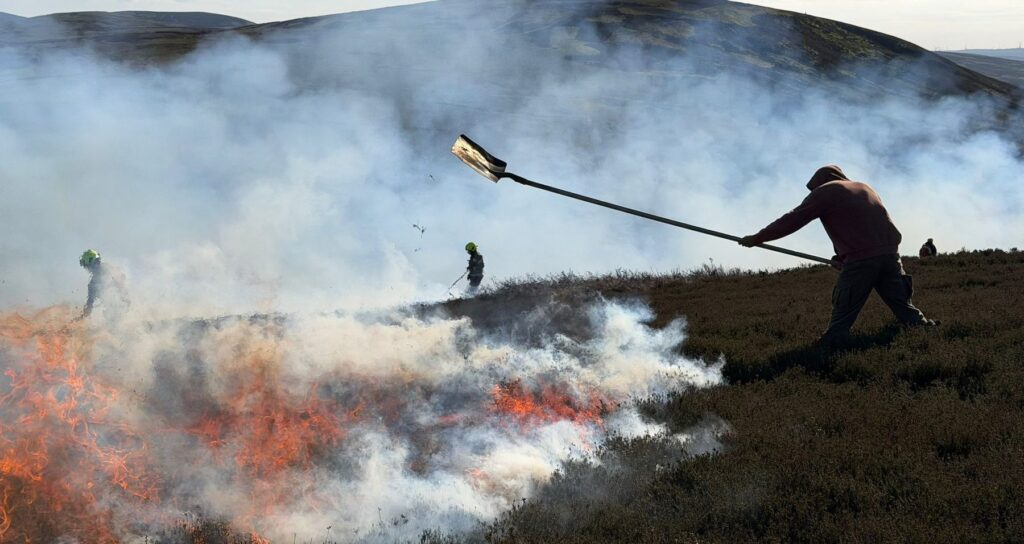
Moorland Association welcomes Natural England shift on wildfire
Natural England now publicly accepts that reducing moorland fuel loads is essential, says the MA, but asks why prescribed burning is still missing
By News Desk | 12 August 2026
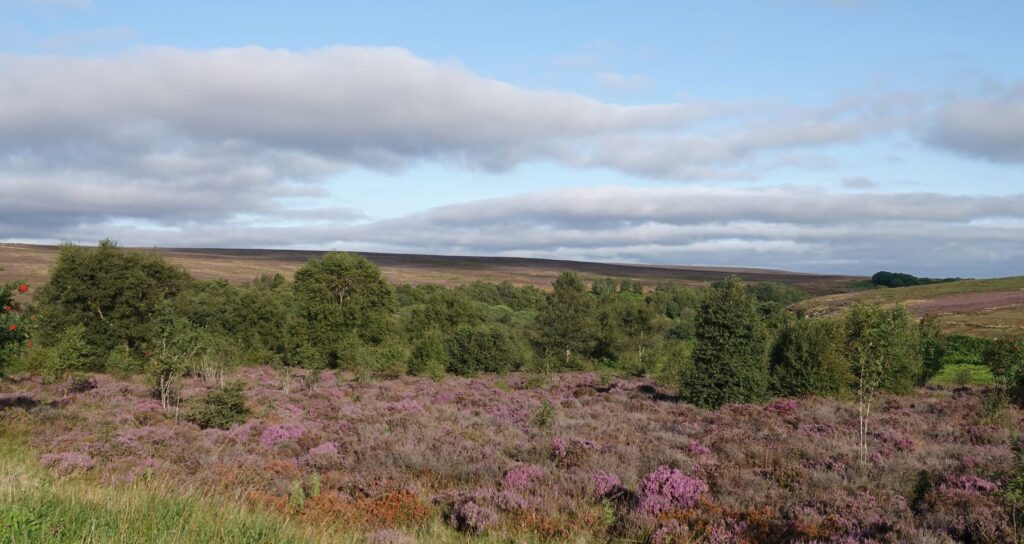
Abbeystead grouse moor doubles as a flood defence, says BASC
A decade of peatland restoration, wader scrapes and leaky dams on the Bowland estate is slowing the flow and bringing curlew back
By News Desk | 10 August 2026
Get the latest news delivered direct to your door
Subscribe to Shooting Times & Country
Discover the ultimate companion for fieldsports enthusiasts with Shooting Times & Country Magazine, the UK’s leading weekly publication that has been at the forefront of shooting culture since 1882. Subscribers gain access to expert tips, comprehensive gear reviews, seasonal advice and a vibrant community of like-minded shooters.
Save on shop price when you subscribe with weekly issues featuring in-depth articles on gundog training, exclusive member offers and access to the digital back issue library. A Shooting Times & Country subscription is more than a magazine, don’t just read about the countryside; immerse yourself in its most authoritative and engaging publication.