★ Your magazine. Your say. Complete our reader survey with a chance to win Jack Pyke kit worth £500! ★


NFU Scotland calls for delay to muirburn licensing regime
The union says licensing muirburn from 15 September risks weakening Scotland's wildfire defences and wants ministers to push the start date back


NFU Scotland has called on the Scottish Government to delay the muirburn licensing regime that comes into force on 15 September, warning that it risks undermining wildfire prevention. The union made the call on 5 August, arguing that with Scotland still counting the cost of the Cairngorms wildfire, muirburn licensing must not put barriers in the way of the burning that keeps fuel loads down.
Why does NFU Scotland want the licence delayed?
The union believes practical land management tools must remain available as Scotland experiences longer dry spells and increasingly severe wildfire events. Farmers, crofters, gamekeepers and other land managers play a vital role in managing vegetation, maintaining resilient landscapes and reducing the risk of uncontrolled fires, it says, and the Cairngorms fire showed what is at stake for habitats, rural businesses, communities and the emergency services.
Its concern is that the new regime would create unnecessary barriers at precisely the moment effective vegetation management matters most. The union says it has worked constructively with government and stakeholders since the licence was announced, but that the recent fires have changed the calculation.
What changes on 15 September?
Under the Wildlife Management and Muirburn (Scotland) Act 2024, a licence from NatureScot will be required to carry out muirburn on any land in Scotland from 15 September 2026, the opening day of the muirburn season. Burning without a licence will be an offence, and practitioners must also complete approved muirburn training. The requirement covers muirburn on any land in Scotland for the first time.
What does the union say?
Debbie Playfair, chair of NFU Scotland’s environment and land use committee, said: “Wildfire prevention starts long before the first emergency call is made. The people managing these landscapes every day need the right tools, support and flexibility to reduce risk.”
“Responsible muirburn, carried out by skilled practitioners in appropriate conditions, remains one of the most effective tools available to manage vegetation and reduce fuel loads. We are asking the Scottish Government to delay the introduction of the licensing regime to ensure it is practical, proportionate and does not unintentionally increase wildfire risk,” she said.
What happens next?
Unless ministers intervene, the licensing regime takes effect on 15 September. NFU Scotland is asking the Scottish Government to delay it, to recognise active upland management in future agricultural support, and to work with land managers and wildfire experts on practical, evidence-led approaches to reducing wildfire risk. It also wants a comprehensive wildfire resilience strategy covering upland livestock grazing, firebreak maintenance, vegetation management, access routes and water points. The union’s full statement can be read on the NFU Scotland website.
Frequently asked questions
When does Scotland’s muirburn licence come into force?
From 15 September 2026, under the Wildlife Management and Muirburn (Scotland) Act 2024, a licence will be required to carry out muirburn on any land in Scotland, and burning without one will be an offence.
Who will need a muirburn licence?
Anyone making muirburn in Scotland, including farmers, crofters, gamekeepers and estate staff. Licences are administered by NatureScot and practitioners must complete approved training.
Why does NFU Scotland want the regime delayed?
The union argues muirburn is one of the most effective tools for reducing the fuel loads that drive severe wildfires, and says licensing should not add barriers to active prevention in the wake of the Cairngorms fire.
 Closes 15 JanuaryWorth £129.90Win a pair of tickets to the British Shooting Show 2027Enter nowFree to enter
Related Articles

Rigby opens Grade II-listed London home with museum
The 251-year-old gunmaker has moved to a converted ballet school in Clapham, where visitors can watch guns being made and see Jim Corbett’s rifle at the heart of the showroom
By News Desk | 14 October 2026

Amber Rutter crowned European Skeet champion in Greece
The Olympic silver medallist beat Italy’s Diana Bacosi by a single target in Malakasa, on a week when two GB juniors also took European bronze
By News Desk | 14 October 2026
Get the latest news delivered direct to your door
Subscribe to Shooting Times & Country
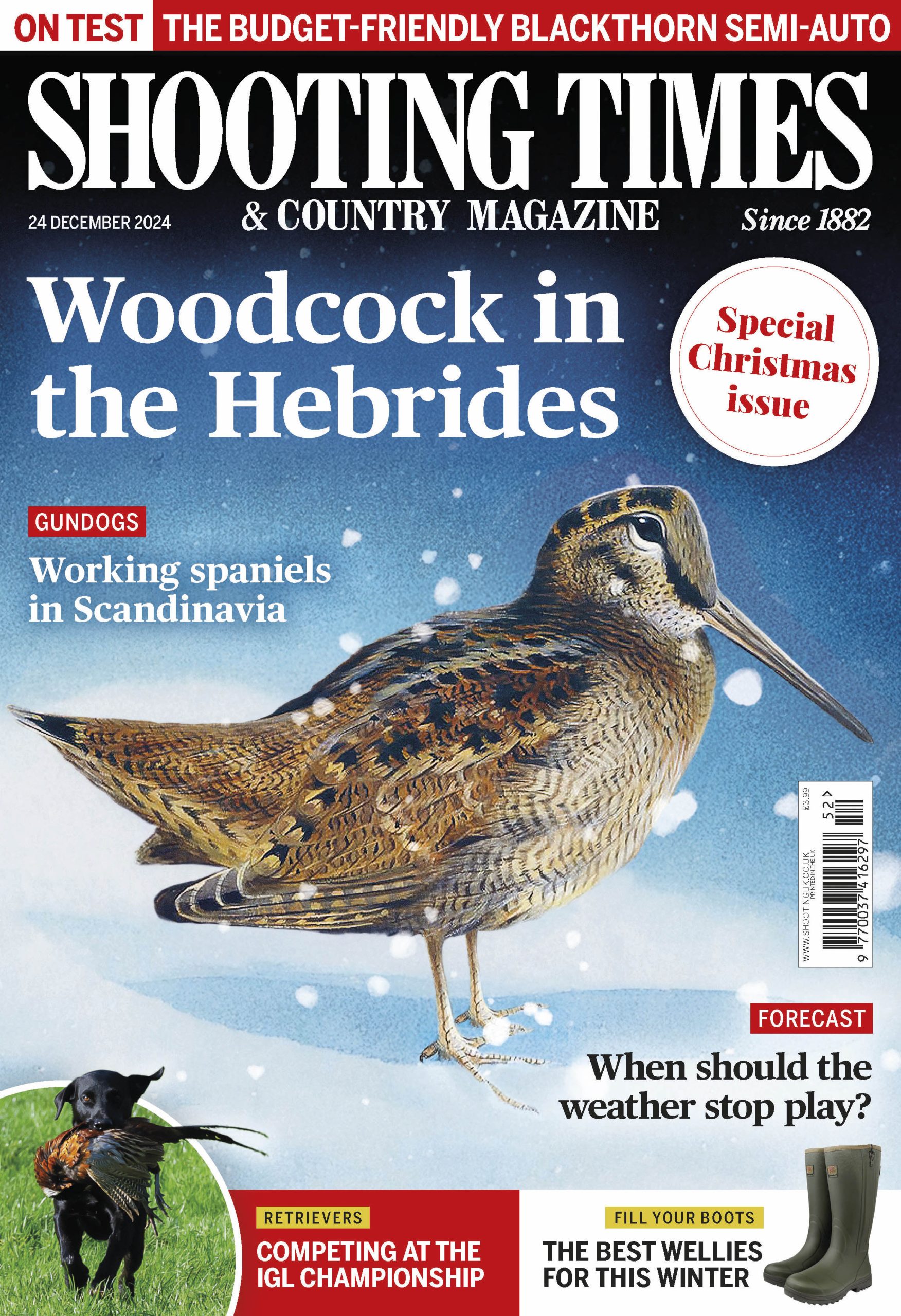
Discover the ultimate companion for fieldsports enthusiasts with Shooting Times & Country Magazine, the UK’s leading weekly publication that has been at the forefront of shooting culture since 1882. Subscribers gain access to expert tips, comprehensive gear reviews, seasonal advice and a vibrant community of like-minded shooters.
Save on shop price when you subscribe with weekly issues featuring in-depth articles on gundog training, exclusive member offers and access to the digital back issue library. A Shooting Times & Country subscription is more than a magazine, don’t just read about the countryside; immerse yourself in its most authoritative and engaging publication.