★ Your magazine. Your say. Complete our reader survey with a chance to win Jack Pyke kit worth £500! ★


Access conflicts hit 60% of Scotland’s deer managers, SGA survey finds
Uncontrolled dogs, e-bikes and dawn campers are wrecking stalks and pushing deer into the woods, and the SGA wants the 2003 access law reviewed


More than 60% of Scotland’s deer managers say changing patterns of public access since the pandemic are affecting their ability to meet deer management obligations, according to an anonymous survey published by the Scottish Gamekeepers Association on 10 September. The association is now asking the Scottish Government to review access arrangements framed under the Land Reform (Scotland) Act 2003, arguing that both the numbers taking access and the way they use the hills have changed beyond anything the law anticipated.
What did the SGA survey find?
The poll drew 132 responses covering more than a million acres, from practitioners in traditional stalking, deer management for forestry schemes, agricultural protection and control to safeguard peatland restoration. Most described access as a minor problem before lockdown, but reported marked change since.
Asked to rate the toll on their work on a scale of one to five, from minor nuisance to significant ongoing impact, 63% chose level three and a further 27% chose level four or five. Fewer than 5% of respondents described their role as traditional estate stalking, which the SGA says moves the issue well beyond a walkers-versus-shooting-estates argument.
The new pressures: e-bikes, dawn camps and dogs off the lead
Respondents reported e-bike misuse in core deer habitat, a rise in professional dog walking and wild swimming, more motorbikes and drones, round-the-clock access with head torches, and social media influencers encouraging off-the-beaten-track photographs and dawn camps. The majority cited uncontrolled dogs as a major problem during control operations, scattering and even chasing deer that are then displaced from hefted ground into woodland, where they do more damage.
One respondent, a deer manager on a 5,500-acre estate, said access issues interrupt six or seven stalks in every 10. Another reported deer moving back into forestry cover before first light, when the first walkers appear, and not emerging again until after dark, leaving a high proportion of stalks unsuccessful.
Cull targets, prosecution and the firearms question
The pressure is rising from both directions. The Scottish Government has put deer management at the heart of its net zero plans, with around 50,000 more deer to be managed each year, and the Land Reform (Scotland) Act 2016 introduced maximum penalties of three months’ imprisonment or a fine of up to £40,000 for failing to comply with a deer control scheme. The SGA also points to the Natural Environment (Scotland) Act 2026, under which it says NatureScot can intervene where deer are judged to be hindering nature restoration, carry out control itself and bill the property for the work.
The SGA says deer managers, who often work alone, are now reluctant to speak to access takers who disrupt an operation for fear of being reported and losing their firearms, given the closer scrutiny of certificate holders’ conduct by Police Scotland.
Stuart Allison of the SGA Deer Group said: “This is not about a wholesale prevention of access, it is about accepting things have changed and making access fit for today, in a way that balances interests better. 2003 is long gone. We’ve had a global pandemic which made many, cooped up inside for months, view the countryside differently. People in rural communities will acknowledge that the profile of access has changed, and the numbers, too.”
His colleague George Macdonald said: “Deer managers are under more pressure now than ever. If targets aren’t met, it can mean prosecution. When deer are being moved 24/7, and woodlands are being used for access in early morning and darkness, deer management is having to be abandoned for safety reasons and this is causing rising anxiety. We will be asking Scottish Government to enable responsible access but we also need to ensure that the work wildlife managers are obligated to do, can get done.”
What happens next
The SGA, which says it supports responsible access, will ask the Scottish Government to review outdoor access law for the modern era. The survey was publicised on the SGA website and shared through the Association of Deer Management Groups network. Deer managers wanting to add their experience should contact the SGA Deer Group through the association.
Frequently asked questions
Can a stalker stop walkers crossing a deer forest in Scotland?
No. The Land Reform (Scotland) Act 2003 gives a right of responsible access to most land. The Scottish Outdoor Access Code asks people to follow reasonable requests to avoid areas where stalking is taking place, but it is guidance rather than a power to exclude.
How many deer managers took part in the SGA survey?
132 practitioners responded, covering more than a million acres across traditional stalking, forestry-scheme deer management, agricultural protection and peatland restoration work.
What penalties do deer managers face for missing cull targets?
Under the Land Reform (Scotland) Act 2016, failing to comply with a deer control scheme carries a maximum penalty of three months’ imprisonment or a fine of up to £40,000, and NatureScot can carry out control itself and recover the cost.
Related Articles
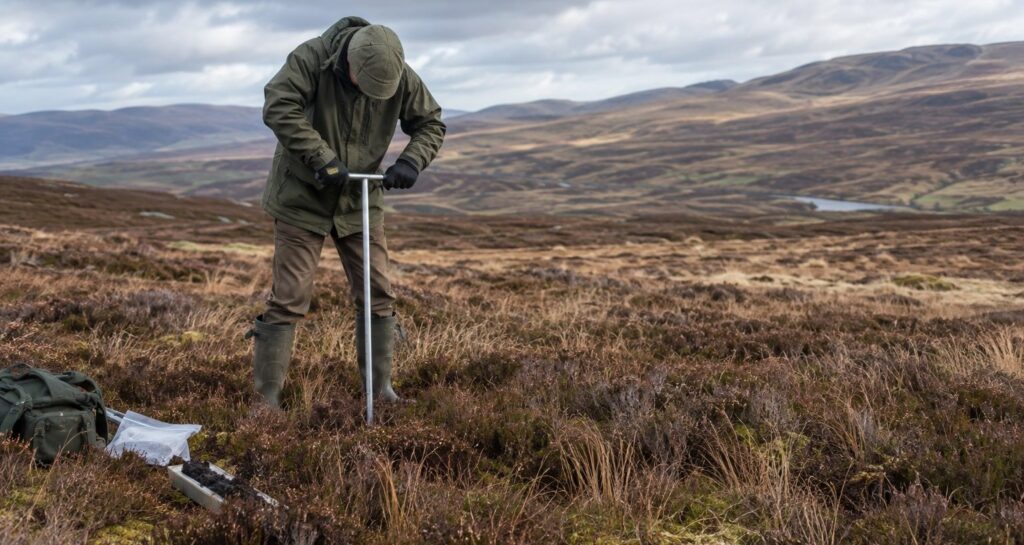
Muirburn licensing begins in Scotland on 15 September
From Tuesday it will be an offence to burn anywhere in Scotland without a NatureScot licence, as the country's first licensed muirburn season opens
By News Desk | 14 September 2026

Countryside Alliance takes rural reset demand to Westminster
The Alliance counts at least 27 measures, from shotgun ownership restrictions to the family farm tax, as direct threats to rural communities
By News Desk | 10 September 2026
Get the latest news delivered direct to your door
Subscribe to Shooting Times & Country
Discover the ultimate companion for fieldsports enthusiasts with Shooting Times & Country Magazine, the UK’s leading weekly publication that has been at the forefront of shooting culture since 1882. Subscribers gain access to expert tips, comprehensive gear reviews, seasonal advice and a vibrant community of like-minded shooters.
Save on shop price when you subscribe with weekly issues featuring in-depth articles on gundog training, exclusive member offers and access to the digital back issue library. A Shooting Times & Country subscription is more than a magazine, don’t just read about the countryside; immerse yourself in its most authoritative and engaging publication.