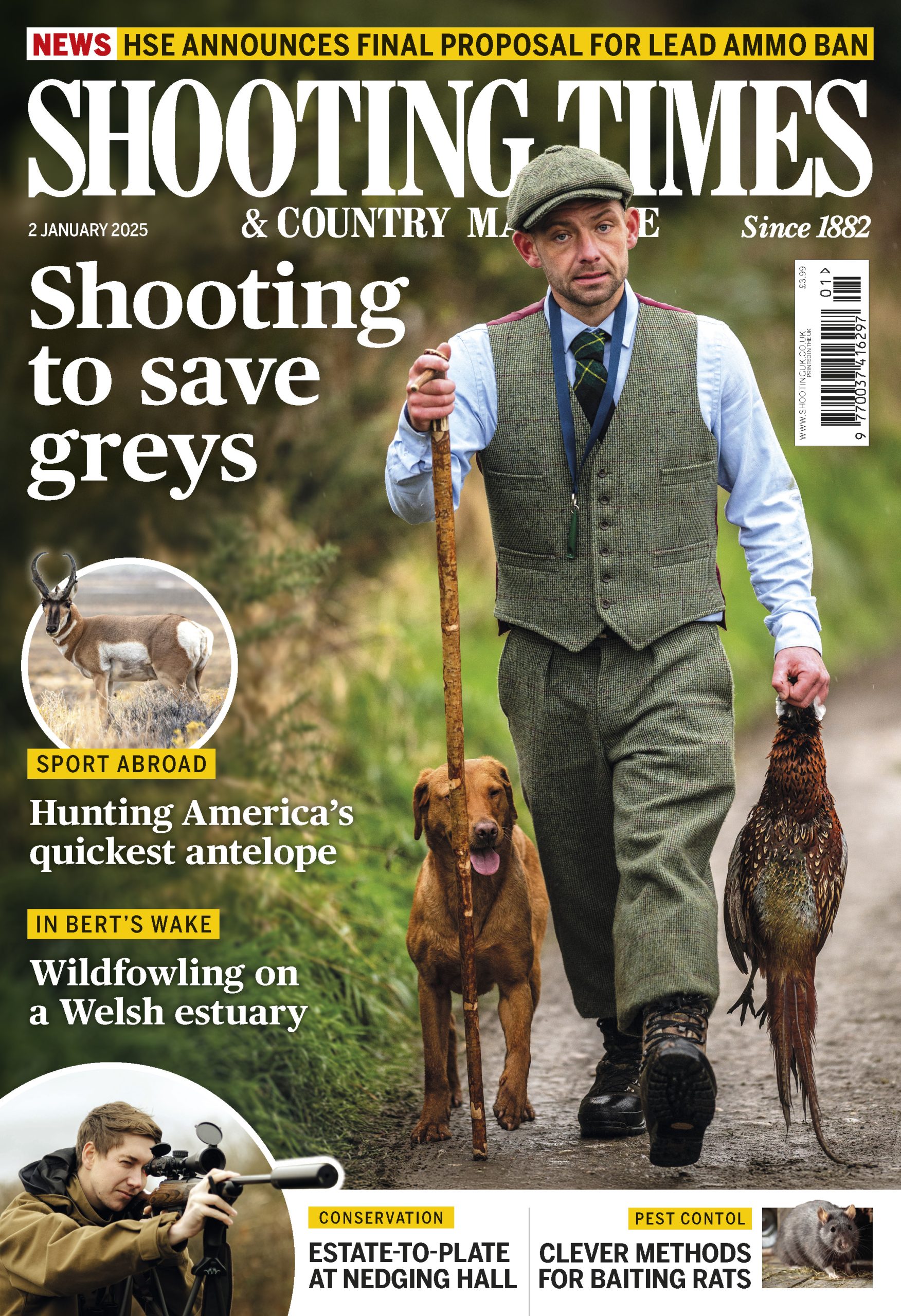
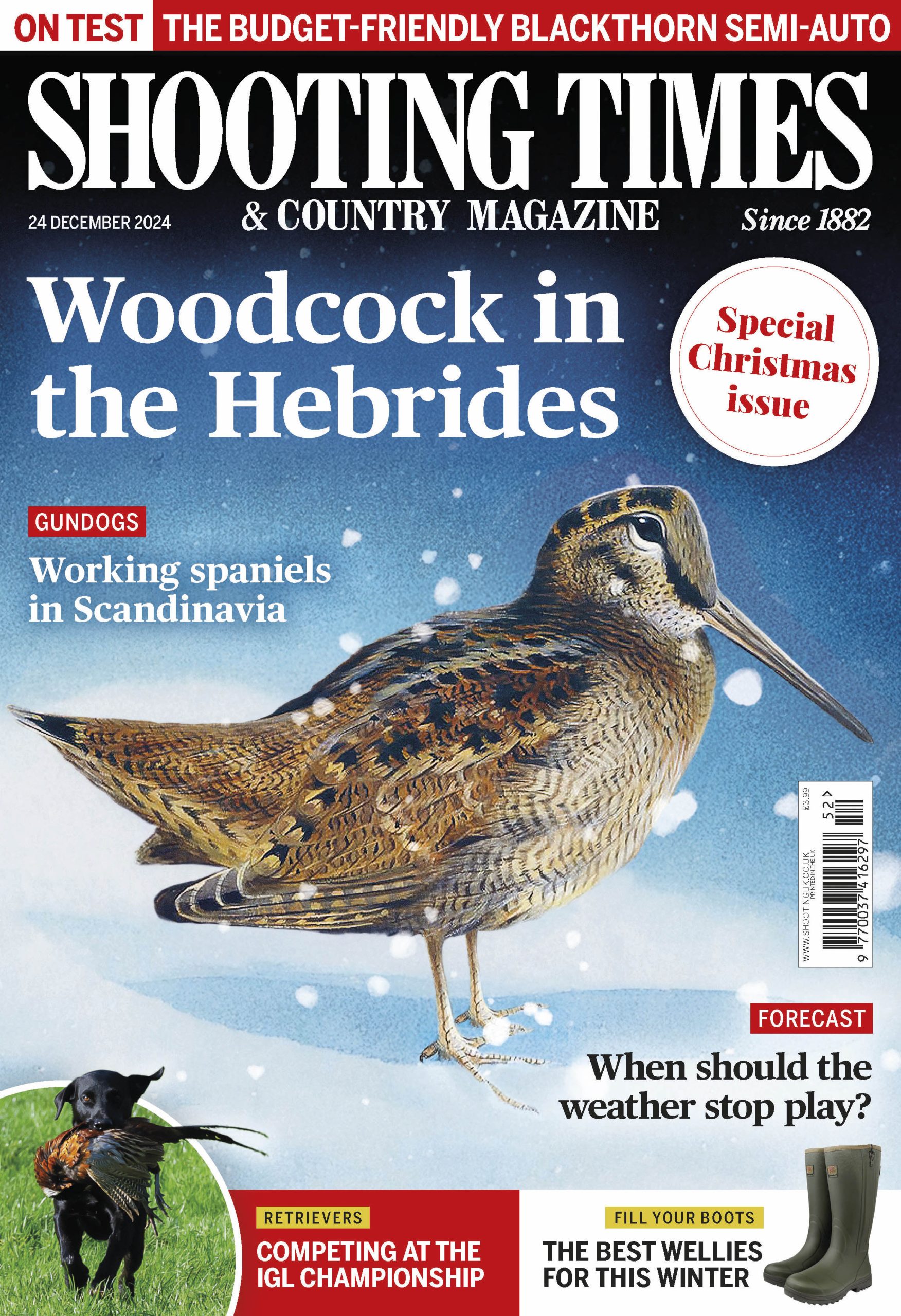
★ Your magazine. Your say. Complete our reader survey with a chance to win Jack Pyke kit worth £500! ★


Urban deer are landowners’ responsibility, ministers confirm
Asked which public body manages wild deer in built-up England, the environment department named none, pointing instead to landowners and, on public land, local authorities


No public body is responsible for managing wild deer in England’s built-up areas, the Government has confirmed, with responsibility resting on whoever owns the land the deer are standing on. The answer came on 13 October to a pair of written questions from Tim Farron, the Liberal Democrat MP for Westmorland and Lonsdale, who had asked which body manages deer in residential areas and whether the Deer Impacts Policy Statement for England is adequate for urban and peri-urban deer.
What exactly did ministers say?
Jenny Riddell-Carpenter, a minister at the Department for Environment, Food and Rural Affairs (Defra), gave the same answer to both questions: “No assessment has been made or is planned regarding the adequacy of the policy statement in respect of addressing deer impacts in residential or peri-urban areas in England. It is the responsibility of the landowner or landowners of the land on which the issue occurs to arrange for management measures to be carried out. Local authorities also have a role to play regarding management of deer on public land for which they have responsibility.”
The question of who is responsible was answered, in effect, with nobody in particular: private landowners must arrange management on their own ground, and councils only on land they themselves hold.
Why does it matter for deer managers?
Roe and muntjac are now established in and around many English towns, where gardens, cemeteries, railway embankments and fragmented ownership make conventional stalking difficult and the humane dispatch of injured deer a recurring problem. With no agency in charge, the work falls to the professional stalkers and deer managers that landowners choose to engage, and the answer confirms there is no plan to revisit the policy statement for the urban edge, leaving professional practice rather than policy to set the standard. The British Deer Society highlighted this month how thermal cameras, smart warning systems and predictive modelling may in time help cut deer-vehicle collisions, while stressing that fencing, crossings and effective deer management remain essential. Scotland has moved the other way, with gamekeepers running the country’s first urban roe deer pilot around East Kilbride under an agreement with the Scottish Government.
What happens next
Mr Farron’s questions follow growing pressure over deer numbers, vehicle collisions and welfare incidents on the urban fringe. With Defra planning no assessment, any change would need either new political pressure or local authorities choosing to act on their own land. The full answers are on the UK Parliament written questions site, under questions 31983 and 32802 of this session.
Frequently asked questions
Who is responsible for urban deer in England?
The landowner of the ground the deer are on. Local authorities have a role only on public land they hold; no public body has overall responsibility.
What is the Deer Impacts Policy Statement?
The Government’s statement of deer policy for England. Ministers say no assessment of its adequacy for urban and peri-urban deer has been made or is planned.
Can urban deer be culled?
Deer management under the deer legislation and its seasons remains lawful where the landowner arranges it and it can be carried out safely; built-up surroundings often make that difficult in practice.

 Closes 15 JanuaryWorth £129.90Win a pair of tickets to the British Shooting Show 2027Enter nowFree to enter
Related Articles

Moorland Association challenges Rewilding Britain wildfire claims
The association has put six questions to Rewilding Britain over a report claiming rewilding cuts wildfire risk, and used a letter in The Times to demand fuel management joins the agenda
By News Desk | 16 October 2026

Corvid and spring trap review to report by April 2027
The environment department has commissioned a review of the evidence on mole, corvid and approved spring traps in England, as analysis of the trail hunting consultation continues
By News Desk | 16 October 2026
Get the latest news delivered direct to your door
Subscribe to Shooting Times & Country
Discover the ultimate companion for fieldsports enthusiasts with Shooting Times & Country Magazine, the UK’s leading weekly publication that has been at the forefront of shooting culture since 1882. Subscribers gain access to expert tips, comprehensive gear reviews, seasonal advice and a vibrant community of like-minded shooters.
Save on shop price when you subscribe with weekly issues featuring in-depth articles on gundog training, exclusive member offers and access to the digital back issue library. A Shooting Times & Country subscription is more than a magazine, don’t just read about the countryside; immerse yourself in its most authoritative and engaging publication.