★ Your magazine. Your say. Complete our reader survey with a chance to win Jack Pyke kit worth £500! ★

Gamekeepers to run Scotland’s first urban roe deer pilot
Scottish Government backs SGA-led Central Belt scheme to cut deer-vehicle collisions, with venison going to foodbanks
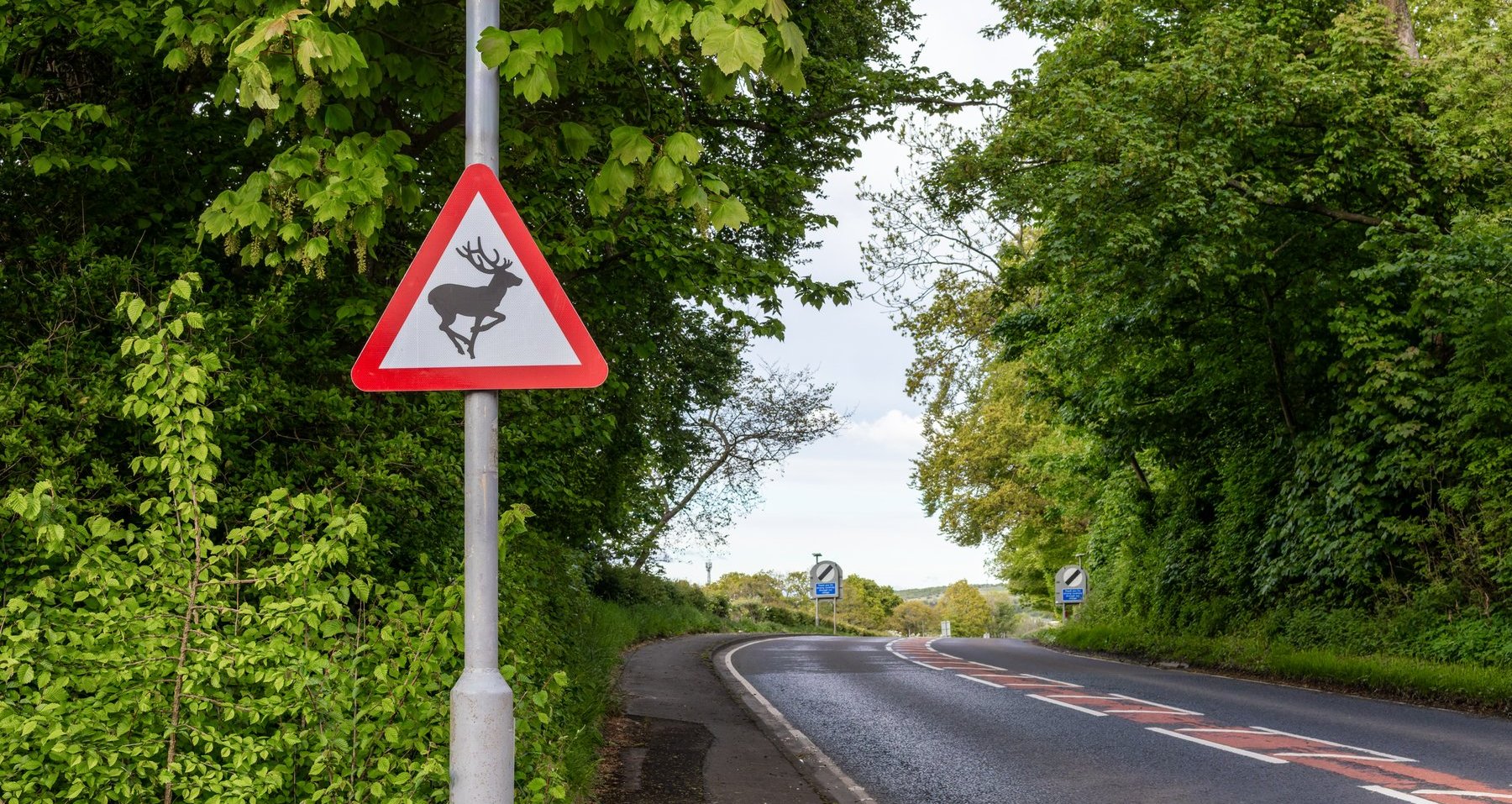

Trained deer managers accredited to the Scottish Gamekeepers Association (SGA) will begin culling roe deer around East Kilbride this month, in the first scheme of its kind in Scotland. The Central Belt Roe Deer Pilot Scheme, backed by the Scottish Government and NatureScot, aims to cut deer-vehicle collisions on the motorway network while repairing browsed amenity woodland and greenspace.
Why are roe deer a problem in the Central Belt?
Roe are Scotland’s most widely distributed deer, and the highest proportion of collisions between deer and cars occurs on roads in the country’s most populated areas. An animal straying onto a motorway is a danger to drivers and to itself, and heavy browsing damages habitats and public sites.
Parts of the industrial Central Belt now hold 30 – 40 roe deer per sq km, more than three times the density recommended by the Deer Working Group, which reported to the Scottish Government.
How will the pilot work?
NatureScot has loaned a mobile larder for the duration of the scheme, and trained deer managers, accredited to the SGA, will be incentivised for safe and humane population control. A registered game dealer will handle food standards and distribution, and participants will log every deer taken on a wildlife management app developed by NatureScot, keeping the cull transparent and compliant.
David Quarrell of the SGA deer group said: “This is a project we have been developing for some time. To receive the backing from Scottish Government and NatureScot to deliver it is really pleasing and shows the need to control deer safely and humanely around our cities, towns and the lowlands in general.
“Starting to get on top of that is really important and we hope the pilot can be rolled out further, if successful.”
Scheme deer manager Craig O’Hare said the pilot was designed around the obstacles that have long frustrated urban deer control. “Currently there are barriers to effective deer management around towns and cities, such as a lack of processing facilities and lots of different types and scales of land ownership, making collaborative management difficult,” he said. “With this scheme, we looked at those barriers, one by one, and set out to fix them.”
Where will the venison go?
Venison from the scheme will be used to develop untapped markets, and participants are committed to supplying local foodbanks and charitable causes. “Our aspiration is to get one of our healthiest and most sustainable meats in front of more consumers in areas where venison has not traditionally been eaten,” said Mr O’Hare.
Agriculture minister Jim Fairlie said: “This pilot will help preserve our biodiversity while giving more people access to high-quality, sustainable venison – a healthy, low-carbon protein that deserves a bigger place on Scottish plates and in Scottish kitchens.”
James Hammond, NatureScot’s regional deer operations manager, said sustainable deer management was “vital to bring populations back into balance with the rest of nature, allowing woodland and other habitats to regenerate”, and that the pilot “gives extra support to those working hard on the ground to tackle high deer numbers in the East Kilbride area, while helping to improve public safety and provide a local supply of healthy venison”.
What happens next
Culling under the pilot begins in October within set project boundaries, chosen so the work benefits public safety and woodland condition, prevents agricultural damage and helps protect designated and peatland sites. The project will be evaluated annually and has the potential to grow each year. The SGA, which has trained more than 1,000 deer managers, hopes a successful pilot will be rolled out to other towns and cities across the lowlands.
Frequently asked questions
What is the Central Belt Roe Deer Pilot Scheme?
A collaboration between the Scottish Gamekeepers Association, NatureScot and the Scottish Government, starting in October 2026 in East Kilbride, under which trained deer managers cull roe deer to reduce road collisions and habitat damage.
Who will carry out the culls in East Kilbride?
Deer managers accredited to the SGA and trained in safe, humane control. Every animal taken is logged on a NatureScot wildlife management app, and a registered game dealer handles the venison.
What happens to the venison from the scheme?
It will be used to develop new markets, and participants are committed to supplying local foodbanks and charitable causes.
 Closes 15 JanuaryWorth £129.90Win a pair of tickets to the British Shooting Show 2027Enter nowFree to enter
Related Articles
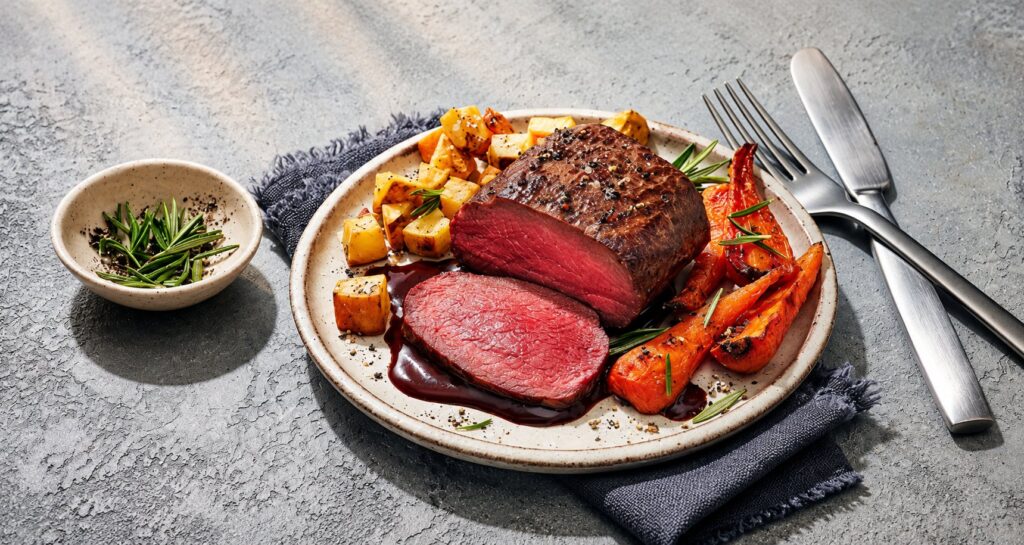
Tesco puts wild Scottish venison on shelves in 100 stores
Highland Game becomes the first wild venison processor approved by the supermarket, creating 12 jobs and the biggest mainstream outlet yet for the Scottish cull
By News Desk | 9 October 2026
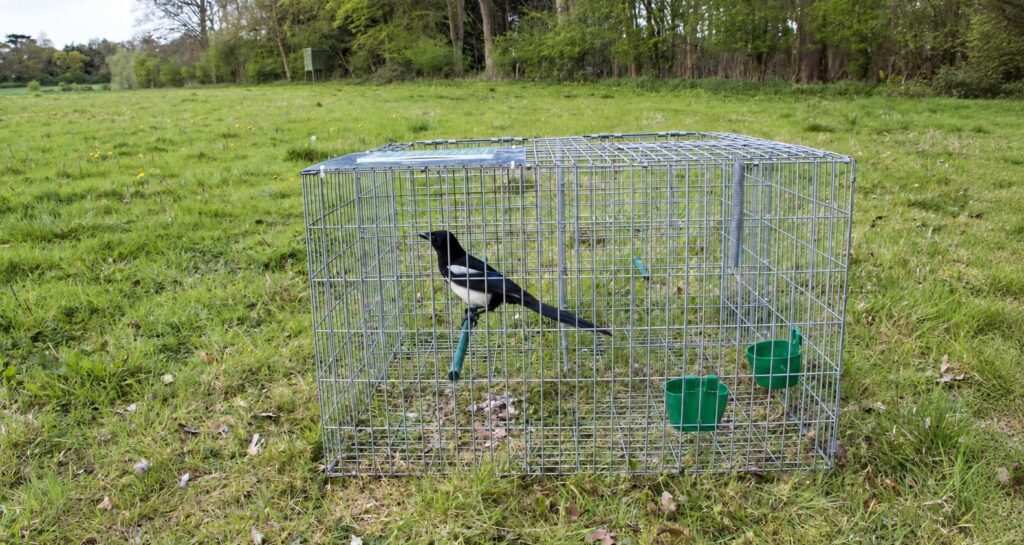
Scottish wildlife trap licensing not expected until 2027, review says
The Scottish Animal Welfare Commission’s annual review records a delayed trap licensing scheme, a completed muirburn regime and new deer rules for keepers to plan around
By News Desk | 9 October 2026
Get the latest news delivered direct to your door
Subscribe to Shooting Times & Country
Discover the ultimate companion for fieldsports enthusiasts with Shooting Times & Country Magazine, the UK’s leading weekly publication that has been at the forefront of shooting culture since 1882. Subscribers gain access to expert tips, comprehensive gear reviews, seasonal advice and a vibrant community of like-minded shooters.
Save on shop price when you subscribe with weekly issues featuring in-depth articles on gundog training, exclusive member offers and access to the digital back issue library. A Shooting Times & Country subscription is more than a magazine, don’t just read about the countryside; immerse yourself in its most authoritative and engaging publication.
 New competitionWin a pair of tickets to the British Shooting Show 2027Worth £129.90Closes 15 JanuaryEnter now ›