★ Your magazine. Your say. Complete our reader survey with a chance to win Jack Pyke kit worth £500! ★


Young shots: the woodpigeon, gundog tips and getting started in the field
Our young shots pages get to know the woodpigeon, the most familiar quarry bird in the British countryside, from how to spot one to how it raises its young. Along the way there are gundog tips, three pigeon decoys worth a look, ways to get out into the field and a recipe to try at home

Welcome to our young shots pages, where everything is aimed at anyone just getting started in the field. The British summer being what it is, plenty of us have spent recent weekends dodging showers on the clay ground, waiting for the wind to make its mind up. That is all part of it, and there is no better time of year to give clay shooting a go.
This month we are getting to know one of the countryside’s most familiar birds, the woodpigeon. There is also gundog guidance to work through, three pigeon decoys worth a look, a couple of ways to get out and try shooting for the first time, and a recipe to cook at home.

Quarry in focus: the woodpigeon
The woodpigeon is the bird most of us picture when we think of a pigeon in the fields, and it is one of the first quarry species a young shot gets to know. It is worth taking the time to understand it properly, because a bird you can recognise and read is a bird you can shoot well.
What is a woodpigeon?
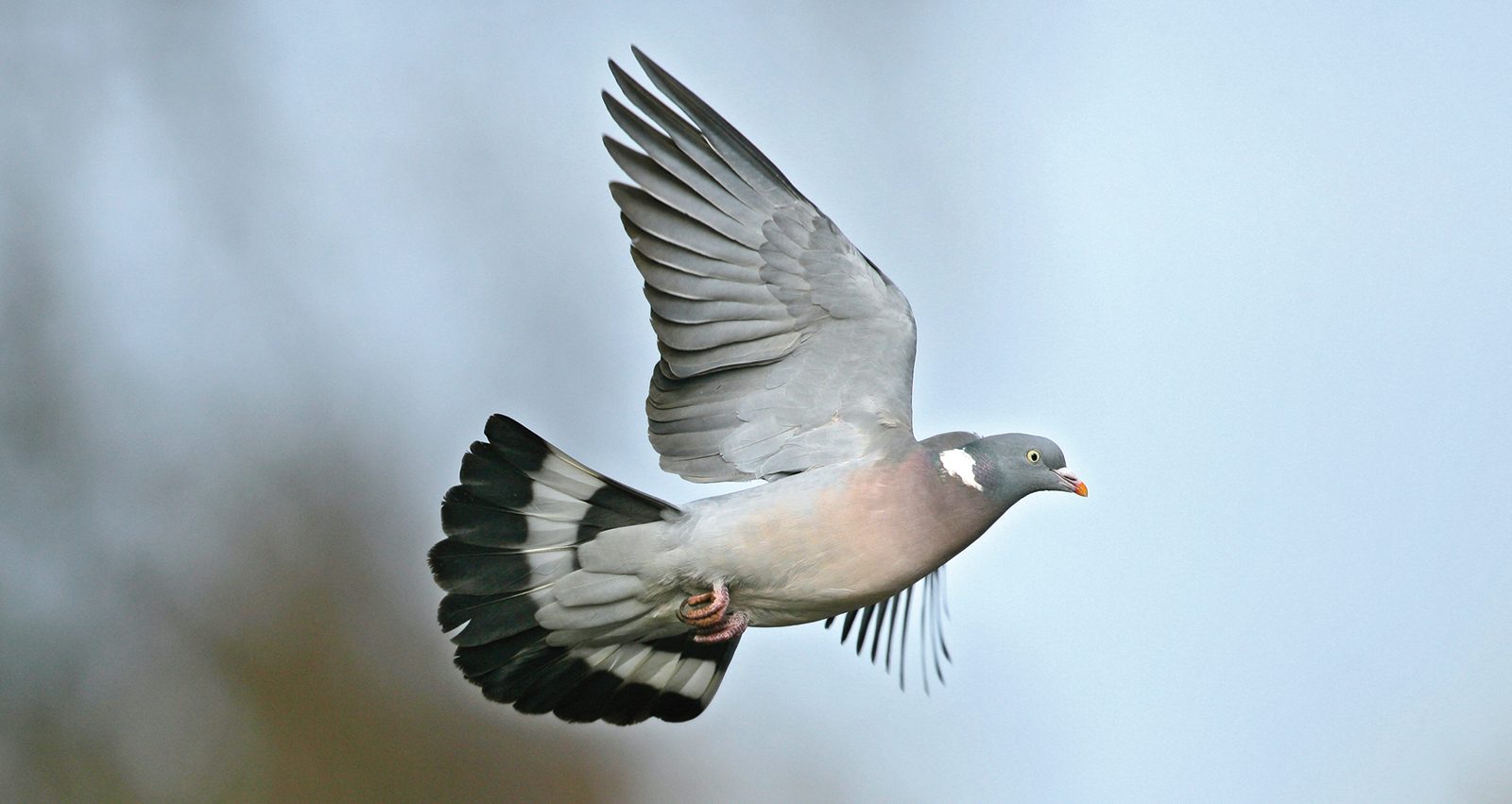
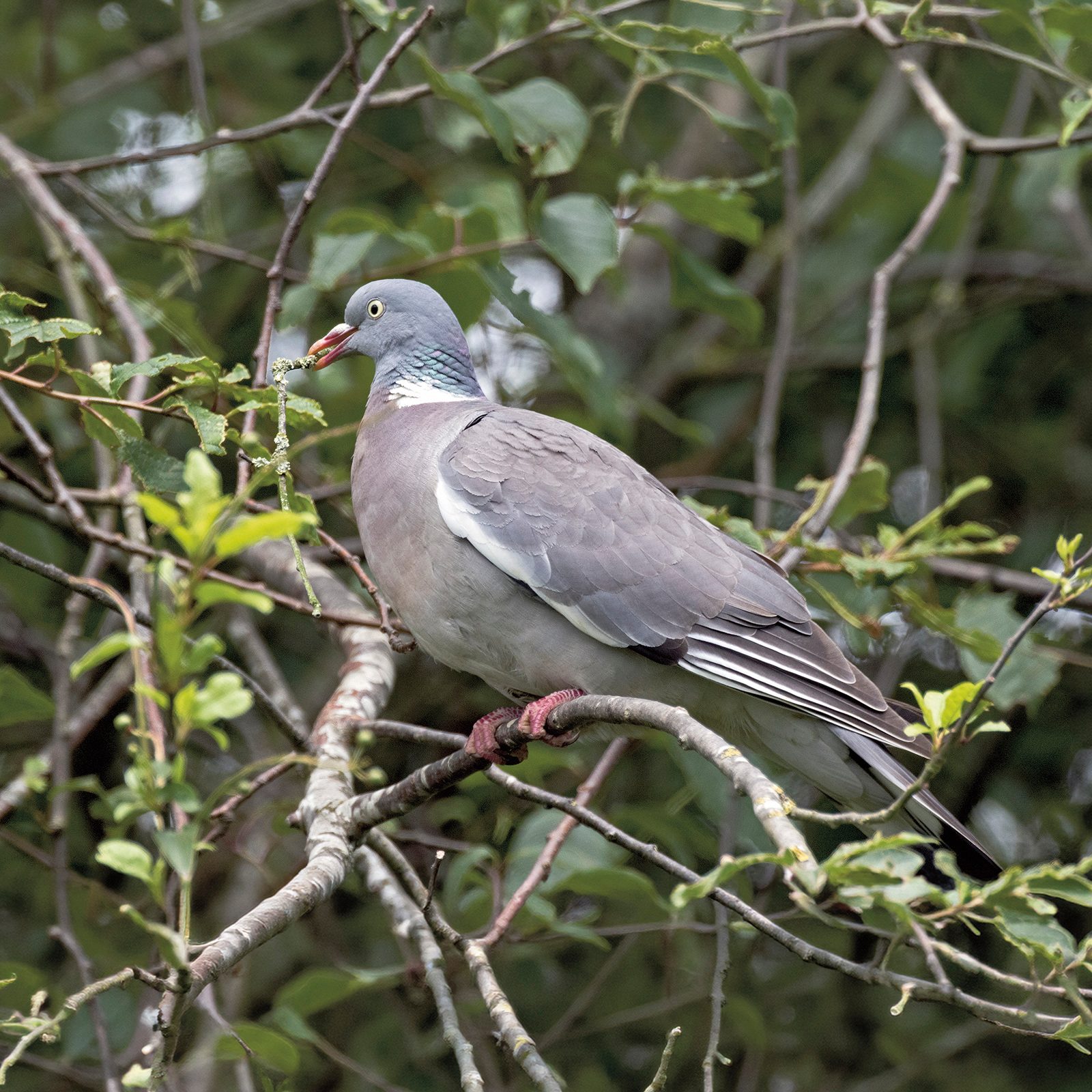
The woodpigeon (Columba palumbus) is our largest and commonest pigeon, roughly 38 to 43cm long with a wingspan of around 68 to 77cm. It is a soft grey-blue overall, with a pinkish breast, and the two features that give it away are the white patches on the sides of the neck and the bold white bars across the wings, which show clearly in flight.
Where to find them
Part of what makes the woodpigeon such a successful bird is that it will live almost anywhere. You will see them in woodland and on farmland, but also in parks, gardens and right into the middle of towns and cities. That adaptability is exactly why they are so numerous, and why farmers spend so much time keeping them off their crops.
How many are there?
Britain holds something in the region of five million breeding pairs, which makes the woodpigeon one of our most abundant birds. Our resident population is topped up in autumn and winter by birds moving in from northern Europe, so the numbers you see in a winter-feeding flock can be huge.
Nesting and young
Woodpigeons start nesting in spring, building a flimsy-looking platform of twigs in a tree or hedge. They usually lay two white eggs, and both parents take turns to sit on them. They will often raise more than one brood in a season, which is another reason the population stays so healthy.
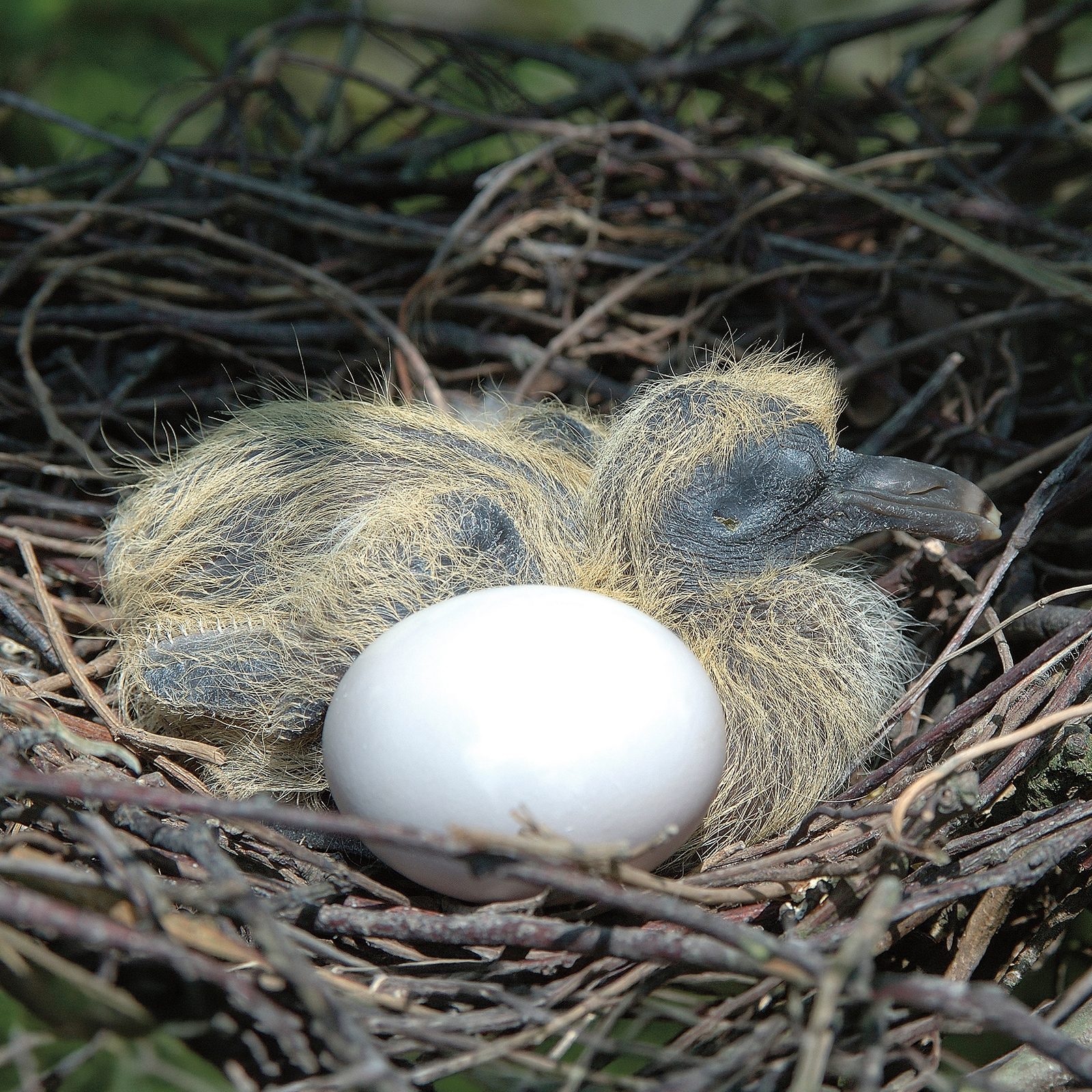
Did you know? Both parent woodpigeons feed their young on “crop milk”, a rich, cheesy secretion produced in the crop, in the throat. It is one of the few birds that can feed its chicks this way, which means it is not tied to a supply of insects and can nest almost whenever conditions suit.
Did you know? That loud clatter you sometimes hear when a woodpigeon bursts out of a tree is deliberate. The bird claps its wings together above its back, and the sharp sound can startle a predator just long enough to buy the pigeon its getaway.
Gundog guidance: building the moving stop whistle (part 2)
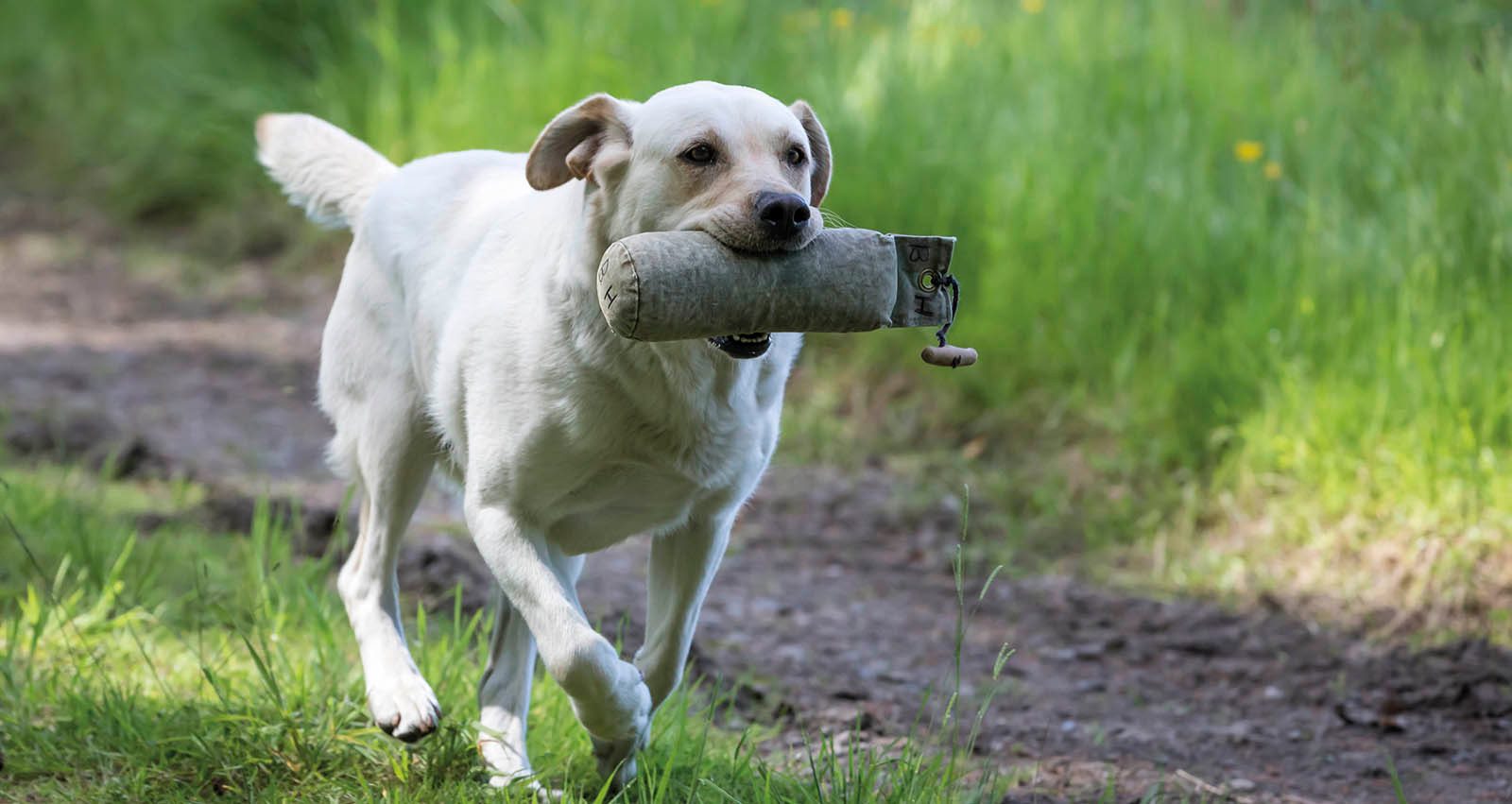
This month’s gundog guidance comes from Jennifer Thomas of JT Dog Training, an ambassador for Muntjac Trading, who picks up the moving stop whistle where we left off last time. The aim is a dog that stops cleanly on the whistle even while it is on the move, and the way to get there is patient, step by step.
- Start with slow movement. Begin with the dog walking rather than running, so it has time to hear the whistle and respond without a battle.
- Use short, easy distances. Keep everything close to start with, where you can help the dog get it right, and build the distance only once the stop is reliable.
- Add a rolling retrieve. Introduce a little movement to work against by rolling a dummy, then ask for the stop while the dog is thinking about the retrieve.
- Play the stop and go game. Mix stopping and sending so the dog never knows which is coming, which keeps it sharp and listening to you.
- Keep sessions short. A few good repetitions and then stop, while the dog is still keen. Little and often beats one long session every time.
Gundog training kit for this series is supplied by Muntjac Trading.
Three pigeon decoys to try
If the woodpigeon has caught your interest, a small set of decoys is one of the cheapest ways to start learning how they work. Here are three shell decoys worth a look. Prices are RRP at the time of publication and may have changed, and you can find more kit reviews over on the ShootingUK gear pages.
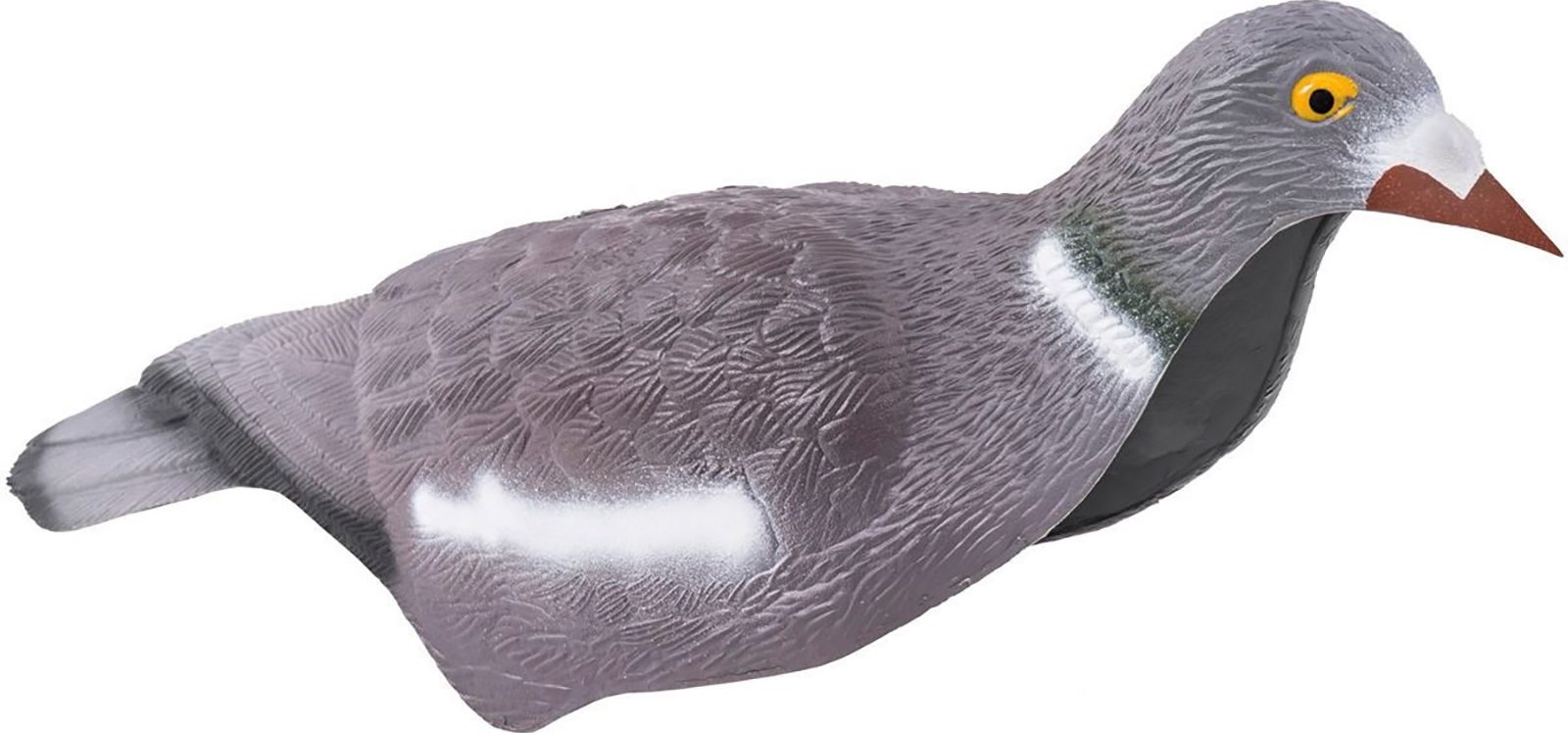
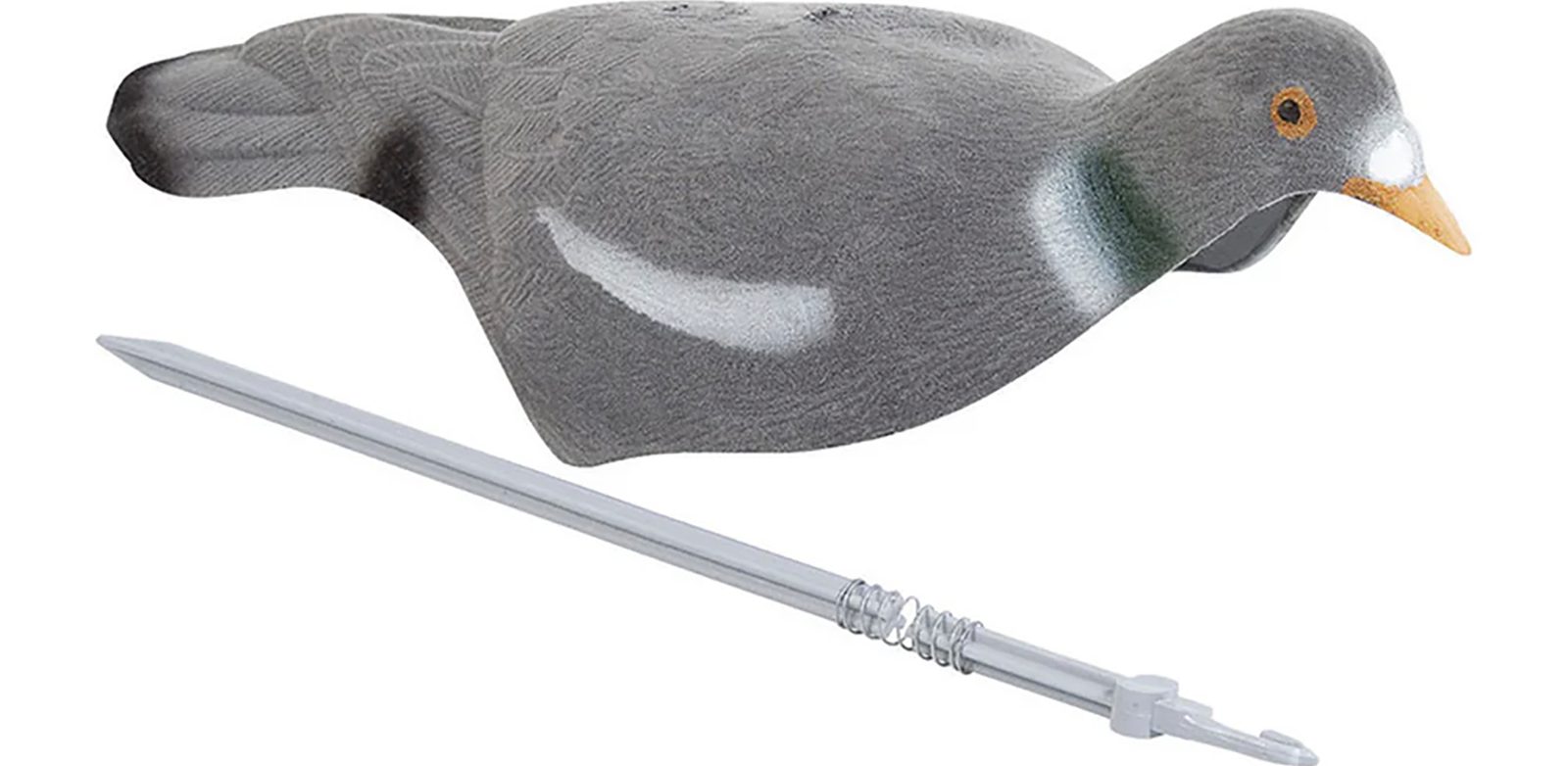
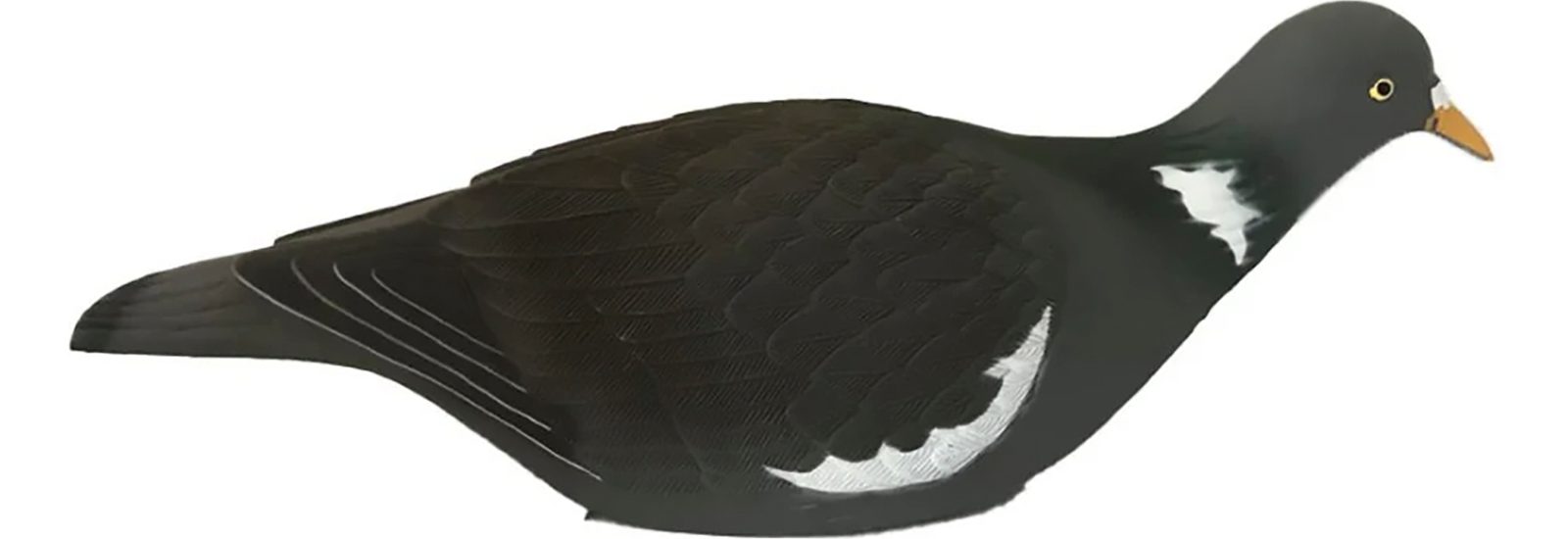
The Sport Plast pigeon shell decoy (RRP £4.95) is available from philipmorrisdirect.co.uk. The Jack Pyke flocked pigeon shell decoy (RRP £4.95) has a matt, flocked finish that cuts down shine on bright days and comes from newforestclothing.co.uk. The high definition pigeon shell decoy (RRP from £9.99) is at a1decoys.co.uk.
Two ways to get started
You do not need your own gun, or years of experience, to have your first go at shooting. Two of the sport’s big organisations run sessions built exactly for newcomers.
Have a go with the CPSA
The Clay Pigeon Shooting Association is once again bringing its popular have-a-go clay line to The Game Fair this July, giving newcomers the chance to try clay shooting safely and under expert supervision. To help young shooters keep going, the CPSA offers a discounted Colt membership for under-16s, which lets you take part in CPSA championships and become part of the wider shooting community. Colt members can also benefit from the Cartridges for Colts scheme, run with cartridge maker Eley Hawk, which helps bring the cost down. Between them, these give young shooters a clear path to get started and improve. You can find out more at cpsa.co.uk.


Welcome to BASC
David Gervers, regional director for BASC South West, shares a first-time story of his own. “I recently found myself in a very wet field in Somerset, helping run an air rifle range at a Cub Scout camp. Despite the rain and wind, 220 Cubs turned up ready to give shooting a go, many for the very first time. We used BSA air rifles, the Ultra and Ultra JSR, which are small and easy to handle. With ear defenders, safety glasses and rests to help steady aim, everyone was able to have a safe and enjoyable try.”
“About 80% of the Cubs had never shot before, but that did not stop them having a great time. Some will carry on with shooting, others might not, but all of them walked away knowing a bit more about the sport. The biggest lesson? You do not need to be a top shot to help out. You just need patience, and to give clear instructions and encouragement. Seeing someone hit their first target is hard to beat.” You can find out more on the BASC website at basc.org.uk.

Cook’s corner: Scandi meatballs
If you have brought home some venison, this is a proper family supper and a good one to help cook. It makes enough for three to four.
For the meatballs
- 1 onion, chopped
- 1 garlic clove, chopped
- 100g breadcrumbs
- 1 egg
- 5 tbsp milk
- 500g venison mince
- 200g fatty pork mince
- ½ tsp salt
- ½ tsp white pepper
- Pinch of ground allspice
For the sauce
- 40g butter
- 40g plain flour
- 150ml beef stock
- 150ml vegetable stock
- 150ml double cream
- 2 tsp soy sauce
- 1 tsp Worcestershire sauce
- 1 tsp Dijon mustard
- Step 1. Combine the onion, garlic, breadcrumbs, egg, milk, salt, pepper, allspice, venison and pork. Mix thoroughly and form into 20 evenly sized balls.
- Step 2. Coat the pan with a little oil and fry the meatballs to brown on all sides, then set aside.
- Step 3. In the same pan, melt the butter over a medium heat, then stir in the flour and cook for a minute to make a roux. Add the beef stock gradually for a smooth consistency, then the vegetable stock, to make a gravy-like sauce.
- Step 4. Slowly add the cream, stirring all the time, then the soy sauce, Worcestershire sauce and Dijon mustard. Return the meatballs to the pan, cover and simmer on a medium to low heat for 10 minutes.
- Step 5. Serve with mash and veg, or chips and peas, with cranberry sauce on the side.

From our young readers
Tom, aged 12, wrote in about his first day on the pigeons with his dad. He was out helping protect a farmer’s crops, and what stayed with him as much as the shooting was simply being out in the countryside and watching the birds work.
Emily, aged 14, has been training her young Labrador, and she has learned the lesson every handler learns sooner or later: patience beats rushing. Take your time, keep it fun, and the dog gets there.
Could you be next month’s star?
If you are under 16 and getting stuck into fieldsports, we would love to hear from you. Send us your story or your photos and you could be our next star of the month. Write to us at shootingtimes@twsgroup.com.
Frequently Asked Questions
What is the woodpigeon’s scientific name?
The woodpigeon is Columba palumbus. It is Britain’s largest and commonest pigeon, told apart from other pigeons and doves by the white patches on the sides of its neck and the white bars across its wings.
Why do farmers control woodpigeons?
Woodpigeons feed in large numbers on farm crops such as oilseed rape, cereals and brassicas, and a big flock can do real damage in a short time. Shooting over decoys is one of the main ways farmers protect their crops, which is why the woodpigeon is such a common quarry species.
What is crop milk?
Crop milk is a rich, protein-heavy secretion that both parent pigeons produce in the crop, in the throat, to feed their chicks. Because they do not rely on catching insects, woodpigeons can raise young over a long season, which helps keep their numbers high.
 Closes 15 JanuaryWorth £129.90Win a pair of tickets to the British Shooting Show 2027Enter nowFree to enter
Related Articles

Young shots: red deer, riflescopes and venison burgers
The last week of the summer holidays, and red deer take centre stage: what makes them Britain's largest wild land mammal and when their seasons run. There is also clay shooting with BASC, the parts of...
By Shooting Times | 30 August 2026

Young shots: ferrets, purse-nets and rabbit nuggets
Everything for the school holidays, from your first pair of ferrets to tying a purse-net of your own. There is a rabbit nuggets recipe to cook, three junior training vests to look at and a gundog less...
By Shooting Times | 5 August 2026
Get the latest news delivered direct to your door
Subscribe to Shooting Times & Country
Discover the ultimate companion for fieldsports enthusiasts with Shooting Times & Country Magazine, the UK’s leading weekly publication that has been at the forefront of shooting culture since 1882. Subscribers gain access to expert tips, comprehensive gear reviews, seasonal advice and a vibrant community of like-minded shooters.
Save on shop price when you subscribe with weekly issues featuring in-depth articles on gundog training, exclusive member offers and access to the digital back issue library. A Shooting Times & Country subscription is more than a magazine, don’t just read about the countryside; immerse yourself in its most authoritative and engaging publication.

 New competitionWin a pair of tickets to the British Shooting Show 2027Worth £129.90Closes 15 JanuaryEnter now ›