★ Your magazine. Your say. Complete our reader survey with a chance to win Jack Pyke kit worth £500! ★


Ferret Man
Extra precautions are needed when ferreting in cold conditions


The mantle of snow and ice over the Suffolk landscape was a sight fit for any Christmas card. Romantic rabbiters will tell tales of perfect ferreting weather ? cold, frosty and snow-filled days, where they can hear and feel the rumble of thumping rabbits reverberate through the subterranean pipes deep within the frozen earth. A realist, however, will paint a different picture. With wind chill factors plunging and constant sub-zero temperatures, respect must be paid to Mother Nature when you are working in such a potentially dangerous environment.
Simple things such as travelling are fraught with danger. At times, it is warmer in a freezer than beside a warren. Keeping warm and comfortable is essential. I don?t like ferreting in gloves, but my hands need protecting to stop them turning numb and to avoid the subsequent painful tingling when the blood starts circulating again.
Fighting the cold
My animals also require extra warmth. The ferrets travel in boxes filled with straw, so they arrive at the warrens in good order, ready for work. The dogs wear rugs to keep them warm in transit and after work, thus avoiding chills and muscle pulls. I have to keep an eye on the lurchers, as a stop/start day in freezing temperatures can cause injuries. Once at the warren, getting net pegs into the ground silently is nigh on impossible and when the net starts to freeze, it won?t operate efficiently. One of the biggest disadvantages of frozen ground is that it can transmit any movement via vibrations in its rock-solid substrate, informing the rabbits of the danger that lies above ground. Digging is a necessary evil if I am to get my ferrets and rabbits out.
Every ferret worked wears a ferret finder collar, but I am wary that freezing conditions sap a ferret finder battery of its power more quickly than usual, so I always carry a spare.
The cold isn?t all bad news. The sprinkling of snow tells me about any recent activity of the cunning coneys, though the tracks of a few rabbits can be deceptive. As the temperature plummets, the rabbits require extra energy to keep warm, so they must consume more food. Once they are underground in their warrens, the snow and ice melts away around the circumference of the holes.
Though the snow can hinder my rabbiting forays, I am always excited when it appears. There is something about ferreting in snow that has a magic ability to transform even the most serious of ferreters into a child ? or perhaps that?s just me.

About the author
Simon Whitehead
A Suffolk-based professional ferreter and rabbit controller, author and Shooting Times contributor, Simon is known widely as The Ferret Man and acknowledged as the last full-time warrener operating in Britain. Born in Middlesbrough in 1968, he moved with his parents to Suffolk in 1984 after the collapse of Cleveland's steel industry, and turned a boyhood fascination into a business in 2001, demonstrating ferreting at country shows nationwide through the summer and controlling rabbits in rural and urban East Anglia through the winter. Simon has become ferreting's premier demonstrator in the UK, sits on the Shooting Times expert panel and writes regularly for the magazine. He is the author of four books, including Ferreting: An Essential Guide, published by Crowood, and Ahead of the Game, celebrating wild rabbit as food, and has appeared in television programmes on rabbit management.
 Closes 15 JanuaryWorth £129.90Win a pair of tickets to the British Shooting Show 2027Enter nowFree to enter
Related Articles
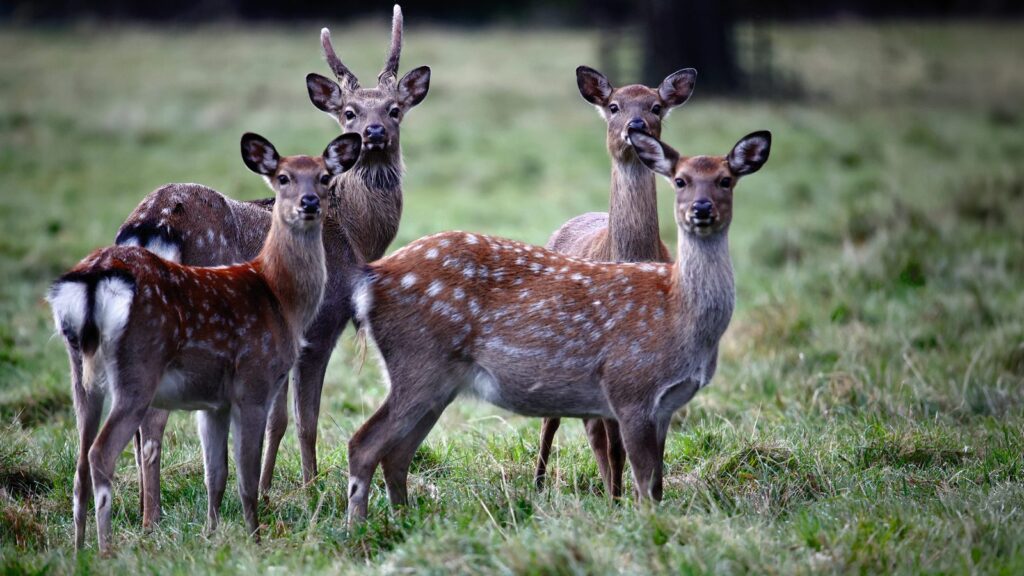
The copper revolution: what lead-free bullets really do at stalking ranges
Game processors want lead-free venison and the law now has a deadline. Selena Barr asks what copper really does at stalking ranges
By Selena Barr | 29 October 2026
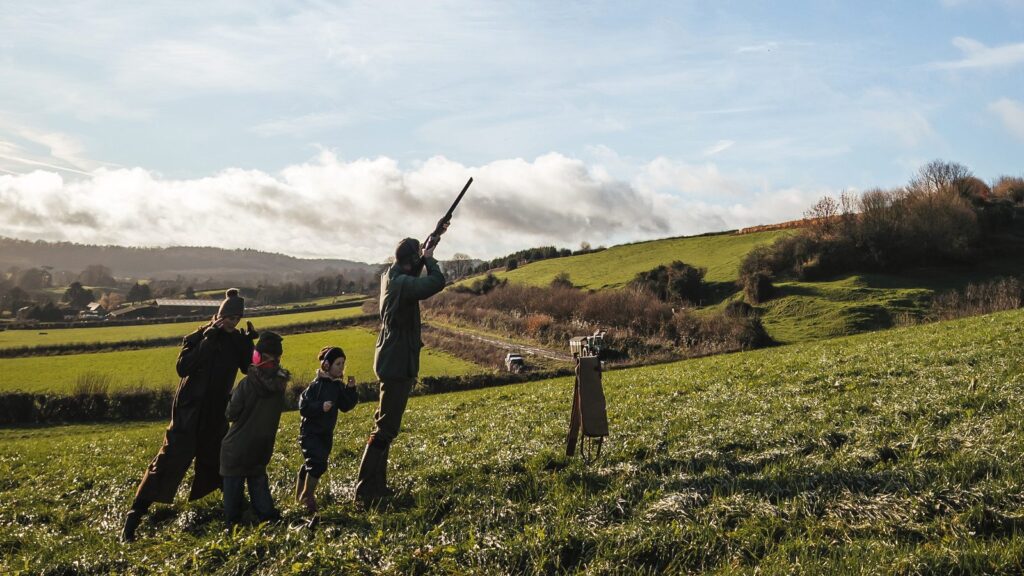
Why Peter Wilson’s small Dorset farm shoot focusses on teamwork
Olympic champion Peter Wilson shoots a 10-Gun syndicate on a 500-acre Dorset family farm where the owner holds the bag at around 100 and refuses to let Guns, beaters and pickers-up drift apart. For sh...
By Matt Kidd | 29 October 2026
Get the latest news delivered direct to your door
Subscribe to Shooting Times & Country
Discover the ultimate companion for fieldsports enthusiasts with Shooting Times & Country Magazine, the UK’s leading weekly publication that has been at the forefront of shooting culture since 1882. Subscribers gain access to expert tips, comprehensive gear reviews, seasonal advice and a vibrant community of like-minded shooters.
Save on shop price when you subscribe with weekly issues featuring in-depth articles on gundog training, exclusive member offers and access to the digital back issue library. A Shooting Times & Country subscription is more than a magazine, don’t just read about the countryside; immerse yourself in its most authoritative and engaging publication.