★ Your magazine. Your say. Complete our reader survey with a chance to win Jack Pyke kit worth £500! ★


Game by the tonne, not by the brace
Eat Wild wants game meat sold on an industrial scale, and it has three seasons to build the market before the lead-shot ban lands. Selena Barr meets Tom Peachey, the gamekeeper’s son and gun-trade businessman who has just been handed the job.
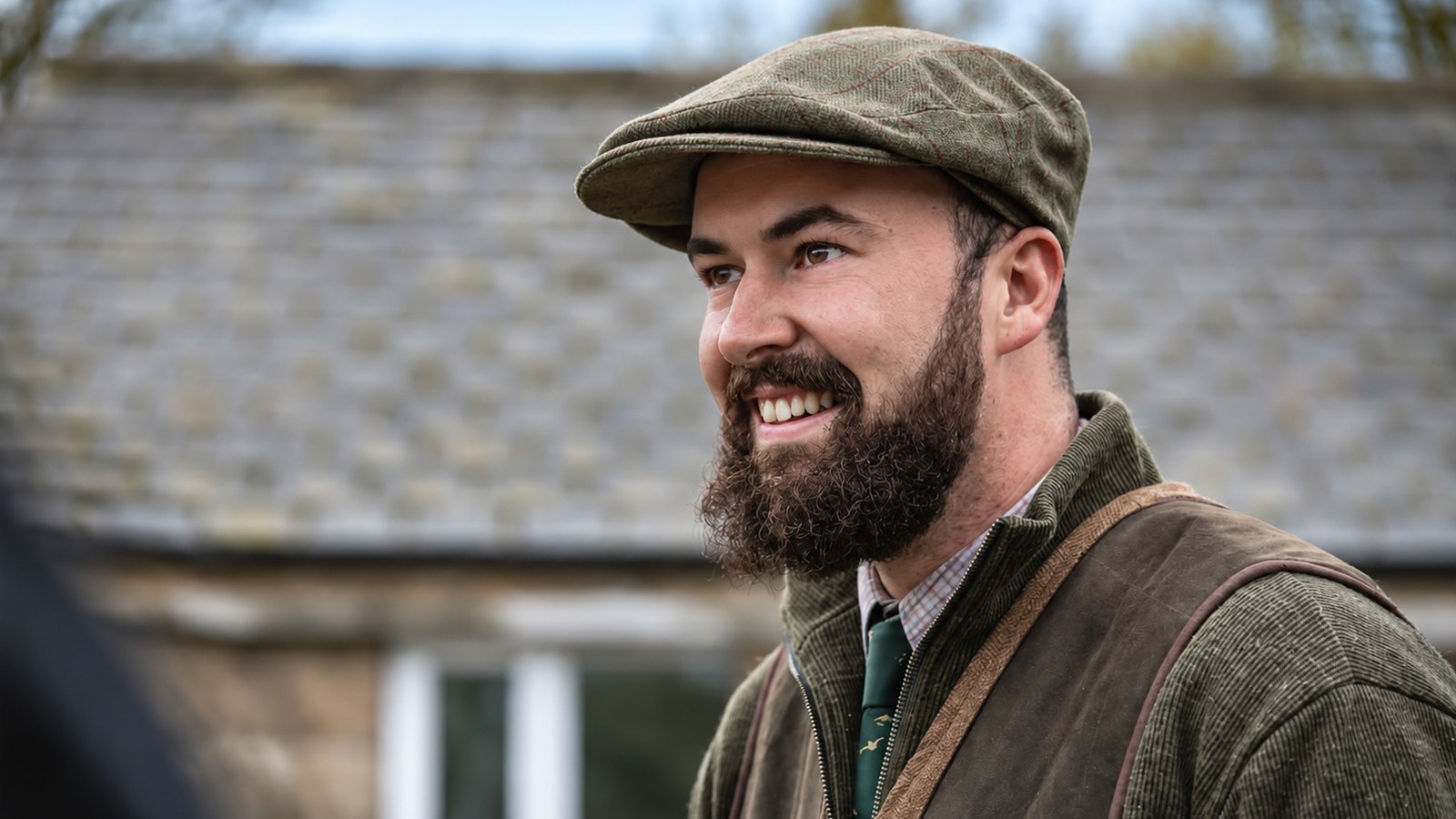

Eat Wild does not want to sell game by the brace. It wants to move it by the tonne: into contract caterers and pub groups, into supermarket-label pies, pasties and sausage rolls, and in time abroad. That is the scale on which the organisation now measures itself, and from November the man charged with delivering it is Tom Peachey, who takes over as managing director after almost six years as gunroom manager at William Powell.
Eat Wild was formally established in 2024 to concentrate on the market, and it is funded entirely by the voluntary 50p-per-bird levy on shoot invoices. Tom joins a small team in which the chef Leon Challis-Davies is culinary director. The board wanted someone who had lived the shooting side of the equation but could also talk the language of the commercial food trade.
A gamekeeper’s son with a cook’s instincts
His shooting credentials are not in doubt. Tom grew up in rural Oxfordshire, where his father was a farmer and gamekeeper, and he believes he was the youngest shotgun certificate holder in the country when he was granted one at 10. “I have been involved with shooting for as long as I can remember,” he says. From 11 he was out beating every weekend of the season, then came his own dogs, and eventually a partridge syndicate of his own, whose members include Leon and the Michelin-starred chef Mark Kempson. “We’re probably the most oversubscribed syndicate in the country in terms of demand for our elevenses and post-shoot food,” he says. “Everyone wants to come and sample it.”
If his father gave him the shooting, his mother gave him the kitchen. “Mum was always the cook in the house, and whenever we came back with birds she was the one who taught me how to dress them and prepare them properly,” he says. “I love cooking. I’m not the best cook by any stretch, but everything we shoot gets used.”
He stalks a good deal too, and everything he brings home comes back from the butcher as sausages and burgers, which he presses on almost everyone he meets. “I’ve never given a packet of sausages to somebody who hasn’t enjoyed them,” he says. “It’s such an easy way to get people eating game.”
From the gunroom to the boardroom
Sausages are one thing; supermarkets are another, and this is where his commercial experience will stand him in good stead. William Powell is a multi-million-pound business rather than a provincial gunshop, and Tom was instrumental in helping to grow it. He will not be fazed by a room full of suited supermarket buyers.
He also has a clear-eyed view of where shooting stands. “In a lot of respects shooting is thriving,” he says. “Demand from incoming foreign clients, for example, seems higher than ever. UK shooting seems to be in a fairly strong place, but equally it’s very much on a knife edge.” The edge he has in mind has a date on it. The REACH (Amendment) Regulations 2026 came into force this year, and from 1 April 2029 lead shot may no longer be sold or used. That leaves three seasons. “It’s hugely important that by the time the lead ban is in place there is a good, strong, established market for game meat,” he says. “Venison is a different conversation, because it’s a lot more widely accepted already. But there are still a lot of shoots that aren’t being paid to have their game taken away, and what is a fantastic product is being given away. We all know the health benefits and the sustainability argument. It needs to be much more available to the wider public.”
Being available is only half of it. Eat Wild’s view, put bluntly, is that shooting is not yet producing a product the food industry can use. Tom’s job will involve getting shoots and their owners, managers, gamekeepers and pickers-up to see game as a saleable food product and an additional source of revenue. Handling must improve from the moment a bird hits the ground, with the utmost care given to its future use as food. Delivering that message with the same energy as any pitch to Waitrose or Sainsbury’s will feature heavily on Tom’s agenda.
Venison as the Trojan horse
The pitch to the supermarkets and caterers, meanwhile, runs largely through venison. Eat Wild describes it as its Trojan horse: a deal with the contract caterer Levy took 28 months of work, but once the door was open the conversation could turn to feathered game. A food chain with more than 200 outlets has just confirmed that at least two pheasant dishes will go on its menus, and two further projects with large food businesses are progressing under non-disclosure agreements. The organisation is candid about why supermarket boards remain nervous: no retailer wants to sign off on lead-shot game, and the move to non-toxic ammunition is what will open those shelves. When it does, the argument goes, the value of a brace should rise well above the 50p a brace that even shoots with AAA-quality bird-handling procedures typically receive for their birds today.
That price depends on what buyers are told game is worth, and here Eat Wild sees a line that needs to be drawn. Its goal is to increase the value of commercially saleable game, which does not necessarily mean the whole bird or beast. As with conventional meat, there are prime cuts and less desirable ones, and it is the former that Michelin-starred chefs, restaurateurs and publicans tend to use when creating seasonal dishes. This is where Eat Wild is pushing forward, developing a commercial product that allows the price to be set at a consistently higher level, so that prime cuts are always sold at their full value. That, the organisation argues, would be of huge benefit to the sport and help to safeguard it for many years to come.
Three seasons to get it right
Messaging is something Tom has clearly thought about. “There are two sides to Eat Wild,” he says. “We’re working alongside shoots to promote game, and there’s the culinary side, where Leon has done some fantastic things.” He wants the shoots and businesses already supporting Eat Wild to say publicly what it has done for them, and he wants past wins, from the Levy contract to a pub head chef posting pictures of pheasants being prepped, told loudly rather than filed away.
He is under no illusion about the clock. “By the 2029 lead ban, we need to have a mass market available for game meat,” he says. “I believe that’s our cut-off. If we haven’t got it sorted by then, I’m not sure we’ll ever get it sorted. Eat Wild can only do so much. We need the support of the shoots.”
Which is where readers come in. The ask is not complicated: treat birds as food from the moment they hit the ground, pay the 50p-per-bird levy without grumbling, and stop apologising for a product that deserves a proper price. Tom will do the rest, in boardrooms one day and game larders the next. The industry has been handed a managing director who knows exactly what goes into putting a bird in the air. He has three seasons to make sure far more of them end up on a plate – not by the brace, but by the tonne.
Frequently asked questions
Who is the new managing director of Eat Wild?
Tom Peachey takes over as managing director of Eat Wild in November 2026. He joins from William Powell, where he spent almost six years as gunroom manager, and grew up in rural Oxfordshire as the son of a farmer and gamekeeper.
How is Eat Wild funded?
Eat Wild is funded entirely by the voluntary 50p-per-bird levy added to shoot invoices. It was formally established in 2024 to concentrate on building the market for game meat.
When does the lead shot ban come in?
Under the REACH (Amendment) Regulations 2026, lead shot may no longer be sold or used from 1 April 2029. That leaves three shooting seasons to build an established market for lead-free game.
Why does the lead ban matter for selling game meat?
No supermarket wants to sign off on game shot with lead, so the move to non-toxic ammunition is what Eat Wild expects to open retail shelves to feathered game and lift its price.
What does Eat Wild want shoots to do?
Treat birds as food from the moment they hit the ground, handle them with their future use as food in mind, pay the 50p-per-bird levy and see game as a saleable product and an extra source of revenue.

About the author
Selena Barr
Originally cutting her teeth as Shooting Times news editor two decades ago, her career in sporting journalism has taken her all over the world turning field adventures into reports that focus on conservation and sustainability.
Related Articles
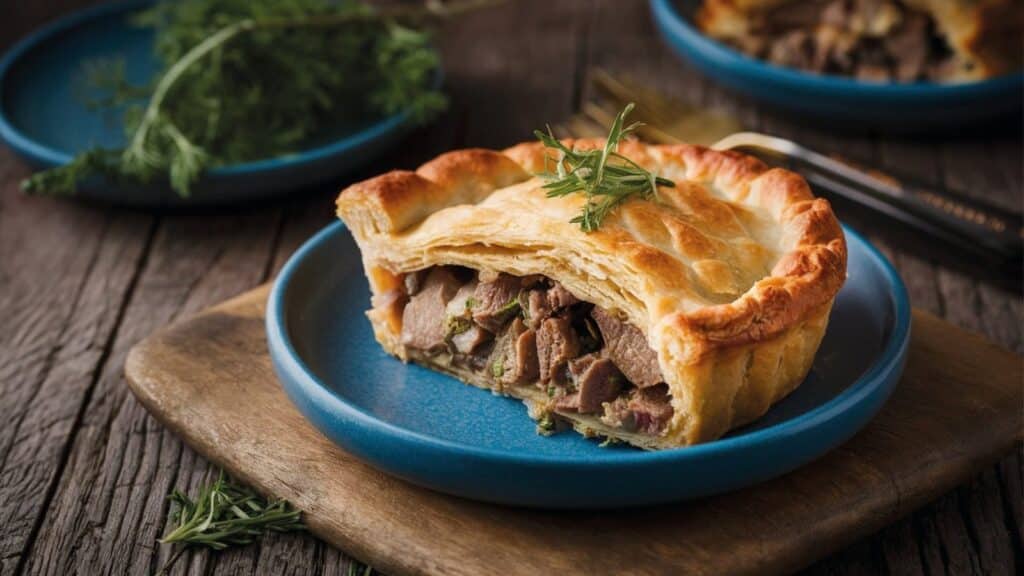
See it, shoot it and eat it: why every bird shot has to be eaten
Lord James Percy on why failing to use shot game for food risks the future of fieldsports, and what supporting Eat Wild actually asks of every Gun
By Lord James Percy | 19 September 2026

Country Diary: why partridge shooting really begins in October
Giles Catchpole on drought-cracked earth, responsible land management, and why true traditionalists wait until October before addressing any partridges
By Giles Catchpole | 18 September 2026
Get the latest news delivered direct to your door
Subscribe to Shooting Times & Country
Discover the ultimate companion for fieldsports enthusiasts with Shooting Times & Country Magazine, the UK’s leading weekly publication that has been at the forefront of shooting culture since 1882. Subscribers gain access to expert tips, comprehensive gear reviews, seasonal advice and a vibrant community of like-minded shooters.
Save on shop price when you subscribe with weekly issues featuring in-depth articles on gundog training, exclusive member offers and access to the digital back issue library. A Shooting Times & Country subscription is more than a magazine, don’t just read about the countryside; immerse yourself in its most authoritative and engaging publication.