★ Your magazine. Your say. Complete our reader survey with a chance to win Jack Pyke kit worth £500! ★


End of the shooting season: Tim Bonner’s year starts on 21 February
Writing in Fieldsports Journal, the Countryside Alliance chief executive weighs the Twelfth, 1 September and hunting’s 1 May before settling on the day after the foreshore extension closes. What the date means from the keeper’s yard


The shooting season ends below the sea wall on 20 February, and for Tim Bonner that makes the next morning the start of the sporting year. Writing in Fieldsports Journal, the chief executive of the Countryside Alliance set out why neither 1 January nor the Glorious Twelfth will do, and why the day after the last duck is the honest place to turn the calendar.
“The rest of the world may settle on 1 January, but you cannot reasonably start or end the year when the best pheasants of the season are still to be shot, the woodcock are in and we are watching the thermometer waiting for that cold snap which brings the best of wildfowling,” Bonner wrote.
Why not the Twelfth or 1 September?
The Twelfth, he wrote, has plenty of history behind it and “lies in the heart of every shooting man”, but only a small proportion of shooters will ever shoot a grouse on it. From a shooting perspective, he argued, 1 September is arguably the more logical date, since partridges and wildfowl come into season together. The hunting world has been more decisive, settling on 1 May, when hunt staff take up new positions and masterships rotate, and its year runs from puppy shows and hound shows through autumn hunting, the opening meets and Boxing Day to the end of the season in early March for most packs. There is a wider case for 1 May too, Bonner wrote, since it falls in a fallow period for shooting. The fishing calendar, he added, only complicates the argument, with its plethora of start and end dates.
What makes 21 February the day?
His own pick is 21 February. “This may seem a slightly obscure date, but it is the day after the end of the extension for shooting wildfowl below the high-water mark and therefore the end of the shooting season for sporting quarry,” he wrote. Those who venture below the sea wall, he said, tend to make a point of trying to put a duck in the bag on 20 February to mark the date. Bonner’s own record stands on it: a brace of wigeon on the Essex Blackwater on the last day of the season, having put a ptarmigan in the bag on 12 August six months earlier, “the only shooting record I will ever hold”.
“From 21 February the sporting year lies ahead of us,” he wrote. “From roost shooting pigeons to the march brown hatches on early trout rivers, the roebuck season, the cream of the chalkstreams and on and on until once again we are hunkered down in that estuary creek with the tide rising and the light fading, waiting for one last duck.”
What does the date mean for the keeper and the shoot?
For the working countryside the argument has a practical edge. The inland season for duck and goose closes on 31 January and pheasant and partridge on 1 February in England, Wales and Scotland, so for most keepers and shoot operators the season is already over when the foreshore extension runs its last three weeks; the catching-up, the pens and the rearing field are the keeper’s own new year, and they begin in the same window Bonner names. A shoot that counts its year from the end of February, rather than from the Twelfth or the first pheasant day, counts the whole of the planning, rearing and release season as part of the sport rather than a prelude to it. That is the case Bonner makes for the fowler, and it reads just as well from the keeper’s yard.
Frequently asked questions
When does the wildfowling season end in England, Wales and Scotland?
Duck and goose shooting closes inland on 31 January and below the high-water mark on 20 February, the extension Tim Bonner uses to fix the end of the shooting season for sporting quarry.
Why does Tim Bonner start the sporting year on 21 February?
Because it is the day after the foreshore extension ends, and so the day after the last sporting quarry of the season is shot; from there, he writes, the whole sporting year lies ahead.
When does the hunting year start?
On 1 May, when hunt staff take up new positions and masterships rotate, Bonner writes; most packs end their season in early March.

About the author
Tim Bonner
Chief executive of the Countryside Alliance, Britain's largest rural campaigning organisation, Tim has a regular column in Shooting Times. He joined the Alliance in 2002, arriving to help with the media for a few weeks before the Liberty and Livelihood March, and went on to do every job there, from press officer to director of campaigns, before being appointed chief executive in 2015. Since then he has focused on building alliances between organisations across the rural sector. Tim studied countryside management at Wye College, University of London, and farmed in north Devon, and he has taken part in every activity the Alliance campaigns on: he has hunted a pack of beagles, pursues wild trout and is a passionate wildfowler and rough shooter who is never seen in the field without a dog.

 Closes 15 JanuaryWorth £129.90Win a pair of tickets to the British Shooting Show 2027Enter nowFree to enter
Related Articles
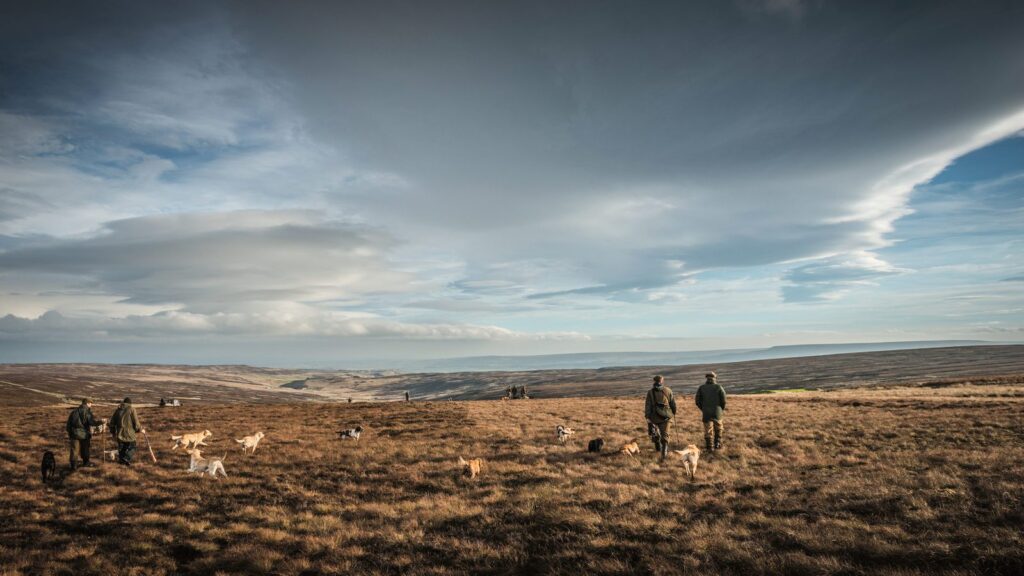
Sporting agencies: five firms that let driven days and stalking
For the estate letting days and the Gun trying to find one, the agencies are the market. Five of the best compared on identical terms: where they are, what they can put you into, who to ring and what...
By News Desk | 17 October 2026
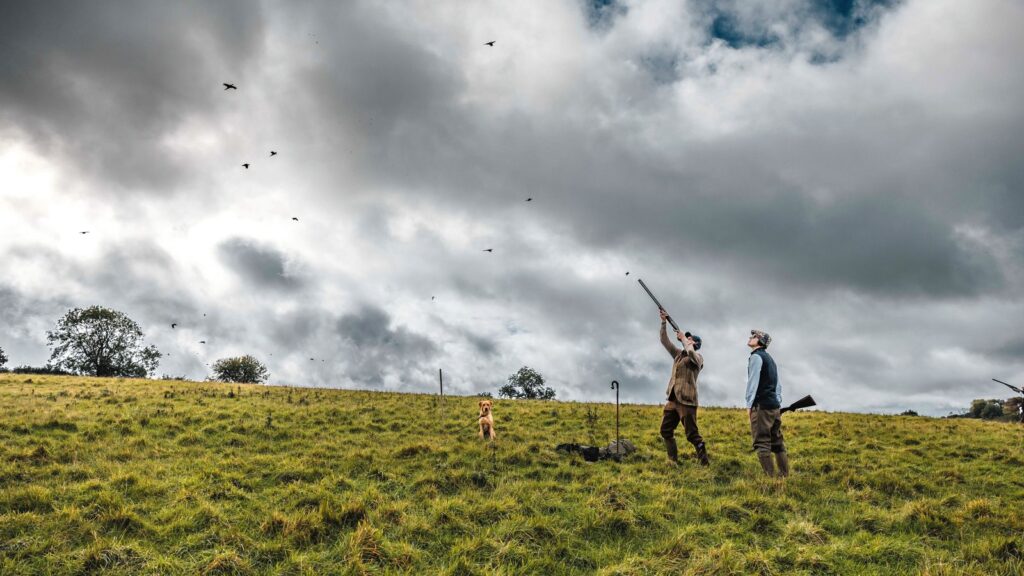
Twenty10 shoot days put 20 Guns on 10 pegs at half a fee each
Jake Woolf’s shared-peg format sells a 300-bird day to 20 Guns at about half a fee each, and shoots are now offering it their dates. Writing in Sporting Gun, Matt Kidd shot one; what the keeper and th...
By Matt Kidd | 17 October 2026
Get the latest news delivered direct to your door
Subscribe to Shooting Times & Country
Discover the ultimate companion for fieldsports enthusiasts with Shooting Times & Country Magazine, the UK’s leading weekly publication that has been at the forefront of shooting culture since 1882. Subscribers gain access to expert tips, comprehensive gear reviews, seasonal advice and a vibrant community of like-minded shooters.
Save on shop price when you subscribe with weekly issues featuring in-depth articles on gundog training, exclusive member offers and access to the digital back issue library. A Shooting Times & Country subscription is more than a magazine, don’t just read about the countryside; immerse yourself in its most authoritative and engaging publication.