★ Your magazine. Your say. Complete our reader survey with a chance to win Jack Pyke kit worth £500! ★

Jottings for wildfowlers: a first foreshore greylag on the Medway, and the wigeon that stole the show
A September day on the Medway in 1986 brought Mike Swan a first foreshore greylag – but it was the incoming wigeon that stole the show


It was a bright blue late September day in 1986, with a gentle north-easter blowing, and around the time of the full moon. A few days earlier I had finally submitted my PhD thesis, and I was genuinely on top of the world, with nothing more important to do than go out to play.
I set out for a low-tide walk around my favourite Medway marsh, just me, dog, gun, gamebag and a few cartridges in the pocket of a battered old tweed blazer. There was little prospect of much shooting in such benign weather, but I hoped to bump an early teal, or perhaps a home-bred mallard. In the end, the result was beyond all expectation, with the hoped-for teal joined in the bag by my first ever foreshore greylag.
The teal was bumped from a creek as expected, but the goose was much more dramatic. I spotted it in the distance, and realised it was heading my way, straight and low. It clearly failed to see me as I ran and jumped into the nearest creek, keeping its line till it offered the perfect shot.
To say I was a very happy chap is clearly an understatement; any old goose would have done, but this was a tender youngster that ate as well as any other I can remember, with the possible exception of my one and only whitefront. But there was another reason why that day was so memorable: migration.
Wigeon making landfall off the North Sea
The whole estuary was buzzing with birds, with great flocks of waders spread across the low-tide mudflats: dunlin, grey plover and knot, with more widely scattered curlew, oystercatchers, godwits and redshank all busily probing for food.
As I reached the north-east corner of the marsh, I settled down in the grasses of the old broken sea wall and gazed out towards the estuary mouth and the North Sea beyond, watching pack after pack of wigeon materialise on high, dropping and turning back into the breeze at the last minute to land on the tideway.
I convinced myself then, and I still believe now, that these birds were making their first landfall after crossing the North Sea. I suppose they might just have been crossing from Essex, but they were coming from such a height that this seemed unlikely for a relatively short hop. Whatever, I found the whole scene so spiritually uplifting, and that, of course, is a key part of wildfowling.
Why wildfowling is about more than the shooting
Those who say that the shooting doesn’t matter are fibbing, but there is much more to wildfowling. Being out there with the ducks and geese may be challenging, but it is also exhilarating. We love our visits into the world of wildfowl, and I heartily endorse Chris Wright’s words in the latest BASC magazine: “Remember, most people spend a lifetime searching for where they belong, but wildfowlers already know.”
I suppose the fact that life’s necessity has led to me living over an hour from the coast makes my visits to the marsh even more special, but I do not think I would be any less excited by my wildfowling if I were lucky enough to live just above high water mark. I also count myself lucky that little reminders of the coast happen at home in the downs of north-east Dorset. Walking the dogs under the stars last evening I heard a couple of oystercatchers going south-west. The migrants are on their way, and I am itching to meet them.
About the author
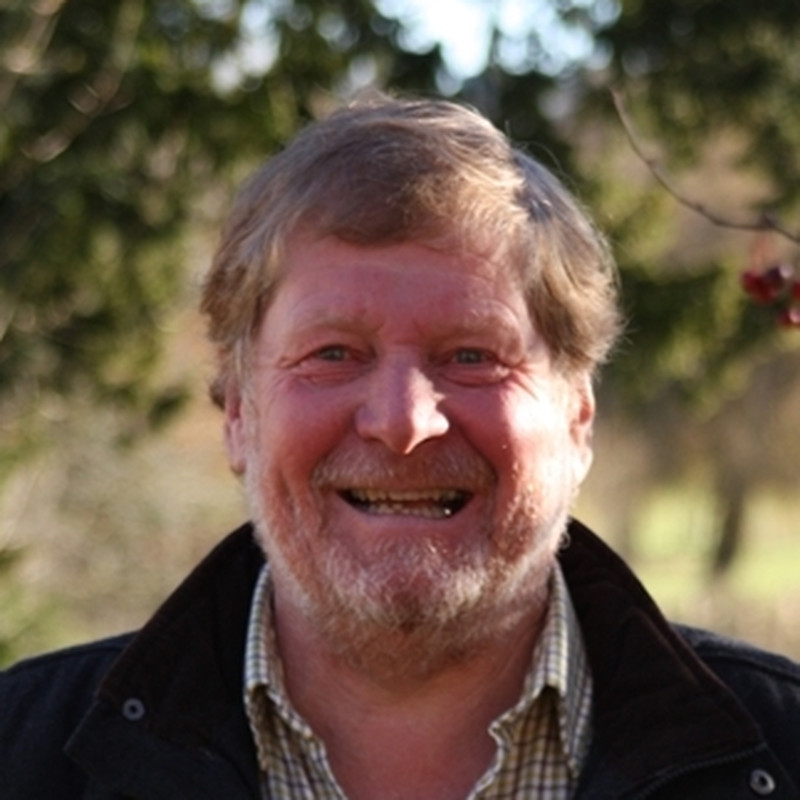
Mike Swan
A Dorset-based game and conservation adviser, Mike joined the Game & Wildlife Conservation Trust advisory team in 1982, having completed a PhD, and spent more than 40 years there, latterly as senior adviser and head of education, running the tertiary education programme and the long-standing part-time gamekeepers' course. He has advised gamekeepers, shoot managers, farmers and conservation organisations across southern England, the south west and Wales, and runs his own conservation-focused wild game shoot in Dorset, integrating predator control and habitat management, as well as wildfowling, fishing and stalking in woodland. His book Rough Shooting is regarded as a standard work. He received the National Gamekeepers' Organisation Educational Trust's Bellamy Award, a double lifetime achievement award at the Great British Shooting Awards, and honorary life membership of BASC. He writes on wildfowling and conservation for Shooting Times.
 Closes 15 JanuaryWorth £129.90Win a pair of tickets to the British Shooting Show 2027Enter nowFree to enter
Related Articles
Jottings for wildfowlers: opening-day greylags and picking the right spot on the saltings
Opening day brings greylags off the estuary in their hundreds, and Graham Downing learns that it pays to pick the right spot on the saltings
By Graham Downing | 7 October 2026

Jottings for wildfowlers: what should the fowler wear on the foreshore?
No camouflage pattern works everywhere, says Gethin Jones, so what should the wildfowler wear – and why do silhouette and movement give you away long before colour?
By Gethin Jones | 24 September 2026
Get the latest news delivered direct to your door
Subscribe to Shooting Times & Country
Discover the ultimate companion for fieldsports enthusiasts with Shooting Times & Country Magazine, the UK’s leading weekly publication that has been at the forefront of shooting culture since 1882. Subscribers gain access to expert tips, comprehensive gear reviews, seasonal advice and a vibrant community of like-minded shooters.
Save on shop price when you subscribe with weekly issues featuring in-depth articles on gundog training, exclusive member offers and access to the digital back issue library. A Shooting Times & Country subscription is more than a magazine, don’t just read about the countryside; immerse yourself in its most authoritative and engaging publication.
 New competitionWin a pair of tickets to the British Shooting Show 2027Worth £129.90Closes 15 JanuaryEnter now ›