★ Your magazine. Your say. Complete our reader survey with a chance to win Jack Pyke kit worth £500! ★


Sporting Life: from gunpowder to keepers’ lore, the history of answering the call of nature in the field
Jeremy Hobson on why ‘spending a penny’ on the end peg has a richer history than most Guns realise, from saltpetre beds and keepers’ tricks to the Law of Urination

Out in the countryside, an abundance of trees and hedgerows behind which to step when nature calls is, for men, quite literally, a convenience. It is, it must be admitted, nowhere near as easy for the ladies.
No-one is exempt from needing a ‘comfort break’ – a coy euphemism that seems to have been coined in the mid-20th century. And, talking of ‘coined’, apparently the notion of going to ‘spend a penny’ originated because of the introduction of coin-operated locks being fixed to public toilets in the latter half of the 19th century.
As far as a sporting life and countryside matters are concerned, facts and fallacies abound when it comes to the subject of ‘spending a penny’. For instance, it seems that weeing on a jellyfish sting will not, despite popular opinion, help alleviate the burn and could actually aggravate it. A conversation starter for the next shoot lunch, perhaps?
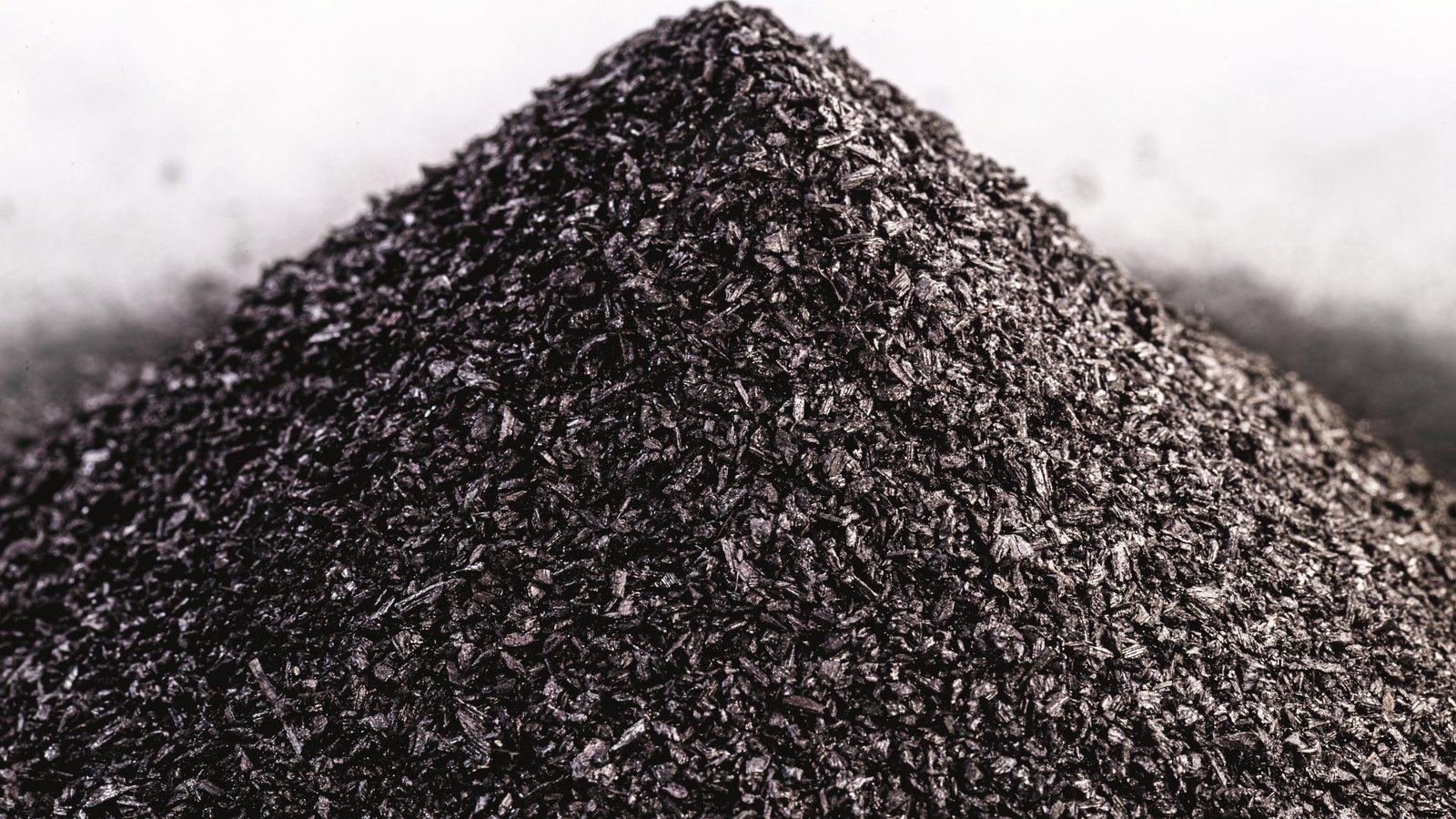
I’ve more I could mention. For instance, one of the ingredients of gunpowder is potassium nitrate and to help produce it, the early manufacturers built their own nitre beds of rotting manure, straw and earth – to which human urine was added.
How urine helped make gunpowder
Evidently, it was the ammonia created by stale urine that was important and, once it had been combined with wood ash, leaves and straw, the mixture would – with careful management – eventually evaporate, leaving the all-important nitrate as a white substance on the top of the pile. There was, it seems, quite an art to its production – and one discussed in minute detail by physician and geologist Joseph LeConte in his manual Instructions for the Manufacture of Saltpetre, published in 1862.
Fortunately, life is much easier for the modern-day game Shot who can go out into the fields and woods with a bag of cartridges and have no need to concern themselves about what may or may not have gone into the manufacture of their ammunition.
The curse of the end peg
There is, though, still the age-old problem of answering nature’s sudden call while standing on the end peg positioned so temptingly and conveniently close to the seclusion offered by hedgerow vegetation. Sod’s law has it that, no matter how quiet the drive might be at the time, the moment you lean your – unloaded – gun securely against a fence post and turn discreetly to the bushes, the fastest, highest-flying bird of the day will inevitably burst from cover and sail directly over your unattended peg.
In order to avoid such an occurrence, it pays to be quick. There is, believe it or not, something called the ‘Law of Urination’ formulated back in 2014 by researchers at the Georgia Institute of Technology. After spending time at Zoo Atlanta studying animals emptying their bladders, they discovered that, in general, nearly all adult mammals weighing more than 3kg (6.6lb) take an average of 21 seconds to do so.
Keepers’ lore and hound trails
Gamekeepers of old often mentioned the value of human wee to mask the scent of a sitting partridge from the unwanted attentions of a fox. “If stale [it] is more effective, and it may be employed with every confidence…” wrote FW Millard, secretary to the Gamekeepers’ Association, way back in 1906.
While trail-hunting packs use various concoctions with which to create a scent for hounds to follow, at least one is said to use a rag infused with a mixture that includes cooking oil and human urine – so, watch out if there’s a pack of hounds about when contemplating answering the call of nature anywhere in the vicinity of where they may be hunting.
Jeremy Hobson was a gamekeeper for over 30 years, regularly hunts and occasionally fishes, and is the author of over 30 fieldsports and country-based books.
Frequently asked questions
Where does the phrase ‘spend a penny’ come from?
It is said to come from the coin-operated locks fitted to public toilets in the latter half of the 19th century.
What was urine used for in making gunpowder?
Early manufacturers built nitre beds of rotting manure, straw and earth with human urine added. The ammonia from stale urine helped produce potassium nitrate, or saltpetre, which formed as a white substance on top of the pile.

About the author
Jeremy Hobson
A Hampshire-based writer and author, Jeremy has been a professional freelance journalist for more than two decades, though his first article appeared in 1976, and behind the writing lies more than 30 years' involvement in gamekeeping and shoot management. He remains connected to the shooting world as host on a nearby sporting estate. The author of more than 30 books, most of them rural, from fieldsports and farming to smallholding and working dogs, he is best known for A Practical Guide to Modern Gamekeeping, first published in 2012 and now a modern classic in its expanded form as A Comprehensive Guide to Gamekeeping and Shoot Management, along with Running a Shoot and The Shoot Lunch. His most recent title is the authorised biography of the wildlife artist David Shepherd.
 Closes 15 JanuaryWorth £129.90Win a pair of tickets to the British Shooting Show 2027Enter nowFree to enter
Related Articles
Country Diary: a car-boot haul of 1970s sporting books, a Saturday stick and the white pheasant
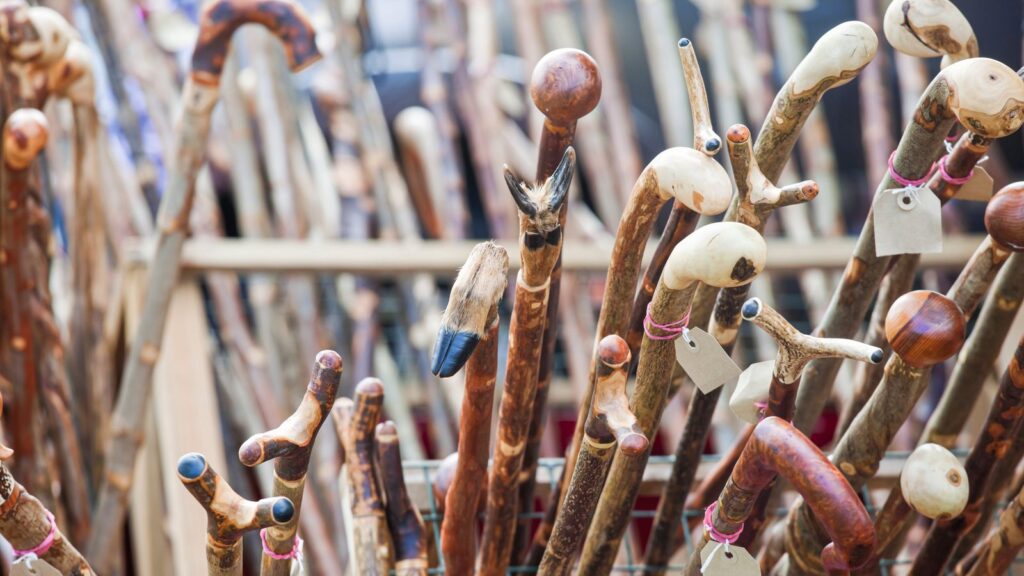
Giles Catchpole finds late shoot-day starts and fuel rationing in a car-boot haul of old sporting books, then buys a handsome staghorn-topped stick from a friend’s shed
By Giles Catchpole | 4 November 2026
Why Peter Wilson’s small Dorset farm shoot focusses on teamwork
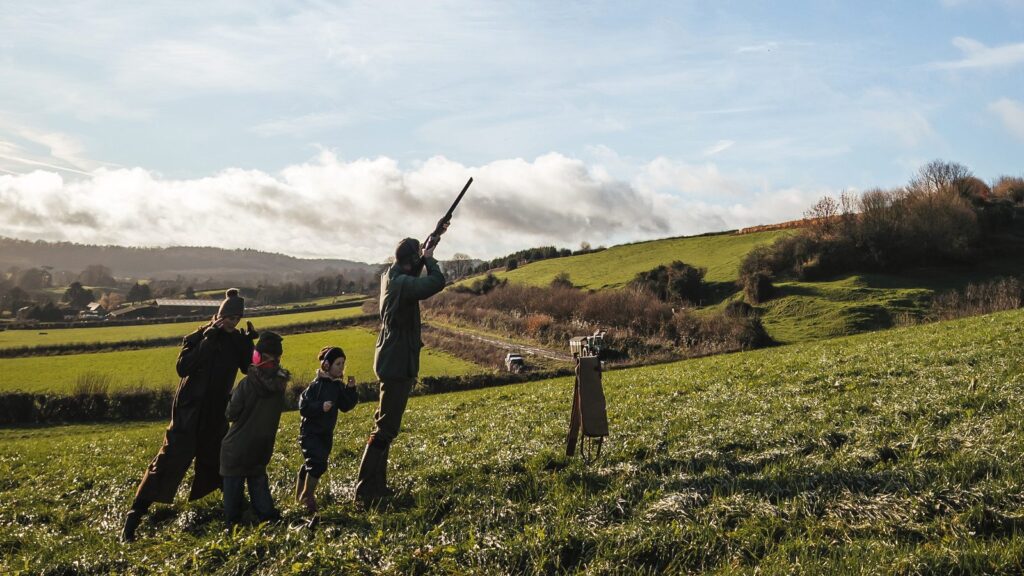
Olympic champion Peter Wilson shoots a 10-Gun syndicate on a 500-acre Dorset family farm where the owner holds the bag at around 100 and refuses to let Guns, beaters and pickers-up drift apart. For sh...
By Matt Kidd | 29 October 2026
Get the latest news delivered direct to your door
Subscribe to Shooting Times & Country
Discover the ultimate companion for fieldsports enthusiasts with Shooting Times & Country Magazine, the UK’s leading weekly publication that has been at the forefront of shooting culture since 1882. Subscribers gain access to expert tips, comprehensive gear reviews, seasonal advice and a vibrant community of like-minded shooters.
Save on shop price when you subscribe with weekly issues featuring in-depth articles on gundog training, exclusive member offers and access to the digital back issue library. A Shooting Times & Country subscription is more than a magazine, don’t just read about the countryside; immerse yourself in its most authoritative and engaging publication.

