★ Your magazine. Your say. Complete our reader survey with a chance to win Jack Pyke kit worth £500! ★


The grouse is the boss: why a moor is a working landscape
Jean-Paul Gaudin on tweed debated like military strategy, a bird gone in three-quarters of a second, and the months of management that happen long before the first cartridge is fired
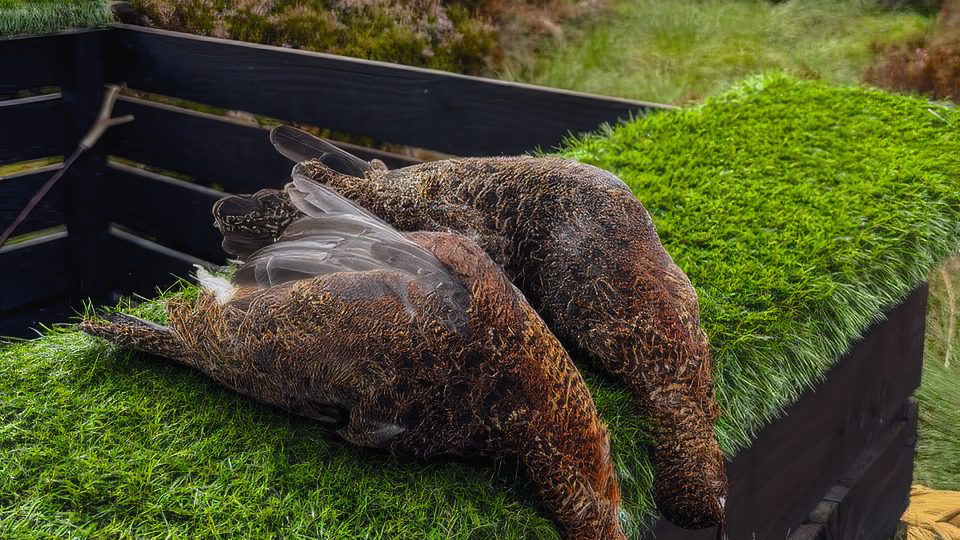

With the season well underway there are many ways to spend a late summer’s day in Britain. You could sit in a beer garden, watch the rain arrive horizontally or, if you have good sense and an unhealthy enthusiasm for tweed, go grouse shooting.
Grouse shooting is, without question, the Holy Grail of shooting sports. It is demanding, exhilarating and guaranteed to leave you questioning your life choices somewhere around the third uphill climb.
Yet that is precisely where its charm lies. Few sporting days can match the anticipation of stepping onto the open moor, knowing that at any moment a wild grouse could rocket from the heather and test your skill, reflexes and, occasionally, your vocabulary.
The excitement starts long before the first bird is seen. Guns are cleaned, cartridges counted and boots dug out from the back of the cupboard, usually still carrying a respectable quantity of last season’s mud.
The tweed, the waterproofs and the Victorian explorer look
Then comes the inevitable debate over what to wear. Tweed is discussed with the seriousness of military strategy, waterproofs are packed for weather that was apparently “not meant to be this bad”, and everyone arrives looking remarkably like a Victorian explorer who has taken a wrong turn and ended up at a shooting lodge.
Then comes the moment.
You are standing on the moor, surrounded by heather, wind and the sort of weather that makes you question whether the forecast was written by a meteorologist or an optimistic liar. Suddenly someone shouts: “Grouse!”
And there it is. For approximately three-quarters of a second. The red grouse explodes from the heather with the acceleration of a bird that has just remembered it left the oven on. You mount the gun, swing, fire and watch it disappear swiftly into the distance. Your companions politely say “Good shot”, which is countryside code for “You missed that by an embarrassing amount.”
That is precisely what makes grouse shooting so special. Wild red grouse are fast, unpredictable and entirely unimpressed by your shooting credentials. They do not care how expensive your gun is, how many lessons you have had or whether your grandfather once shot double figures.
The grouse is the boss.
The moorland management behind a day’s grouse shooting
Behind the spectacle is something much more serious: moorland management. A properly managed grouse moor is a carefully worked landscape. Heather is managed to create different stages of growth, providing food, nesting cover and habitat for grouse and other wildlife. Predator management can also help protect vulnerable ground-nesting birds. Peatlands, meanwhile, are hugely important ecosystems, storing carbon and helping regulate water.
While the Guns may attract attention, considerable work happens long before the first cartridge is fired. And it is not just wildlife that benefits. Grouse shooting supports people and communities in some of Britain’s most remote areas. Gamekeepers, estate workers, contractors, hospitality businesses and local suppliers all contribute to, and benefit from, the wider shooting economy.
The friendships and the stories that grow in the telling
There is also something wonderfully human about the whole affair. Grouse shooting brings people together, gets them outside and creates friendships. It also produces stories that become progressively less believable every time they are retold.
“That was a proper bird.”
“It came straight at me.”
“It must have been 40 yards.”
By Christmas, it will have been the size of a Labrador.
Of course, grouse shooting is not immune to controversy, and responsible management matters. The sport’s future depends on legal, sustainable and evidence-based stewardship of the moorland. Tradition alone is not enough; those who shoot must demonstrate that they are looking after the landscape that their sport depends upon.
That is ultimately why grouse shooting remains so compelling. It is not simply about pulling a trigger. It is about the moor, the people, the dogs, the weather and the camaraderie, and occasionally spending several thousand pounds to discover that your reaction time is roughly equivalent to that of a garden shed.
The grouse may be the Holy Grail.
But actually shooting one is another matter entirely.
About the author
Jean-Paul Gaudin is one of the UK’s most accomplished game Shots and a recognised voice in the industry, showcasing the sport through his Seated Gun brand.
Frequently asked questions
Why is grouse shooting considered so difficult?
Because a wild red grouse breaks from the heather fast and low and is in front of you for about three-quarters of a second. It is unpredictable, and no amount of equipment or tuition changes how the bird flies.
What does managing a grouse moor involve?
Managing heather to create different stages of growth for food, nesting cover and habitat; predator management to protect ground-nesting birds; and looking after peatland, which stores carbon and helps regulate water.
Who benefits from grouse shooting besides the Guns?
Gamekeepers, estate workers, contractors, hospitality businesses and local suppliers, in some of the most remote parts of Britain.

About the author
Jean-Paul Gaudin
Known as The Seated Gun, Jean-Paul Gaudin grew up shooting game in France before settling in the UK. A motorcycle accident reshaped his path, and coaching later refined his clay technique. Now a respected UK game shot, he writes a monthly column and shares stories on Instagram, TikTok and YouTube.
 Closes 15 JanuaryWorth £129.90Win a pair of tickets to the British Shooting Show 2027Enter nowFree to enter
Related Articles
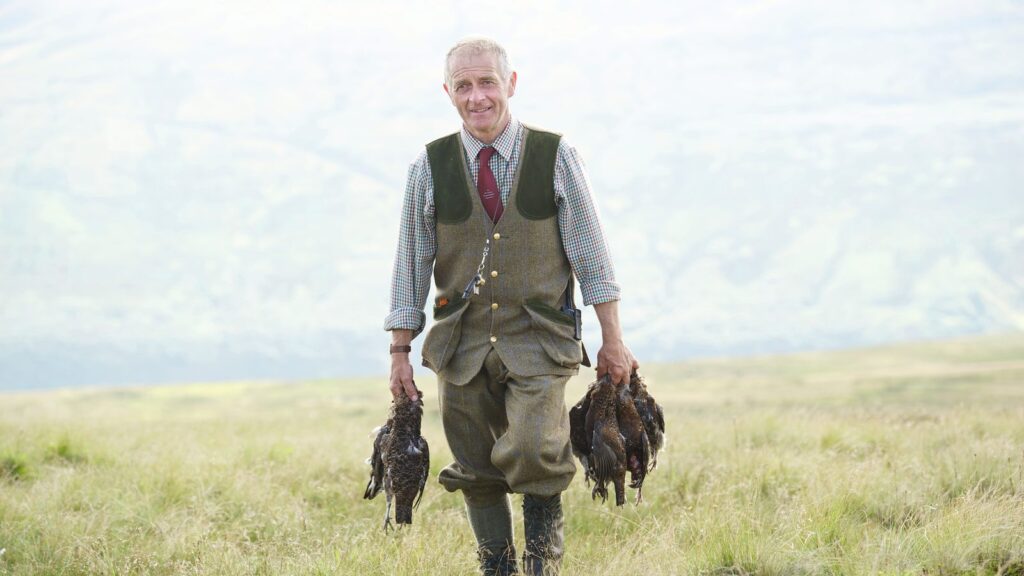
Upland keeper: cheap grouse, burned moorland and a boy's first fish on a fly
Lindsay Waddell on grouse that fetch less per brace than 50 years ago, wildfires on the moor and a rural life misunderstood – though the summer still found room for a grandson's first trout
By Lindsay Waddell | 25 September 2026

Five places to shoot simulated grouse
Grouse wait for no Gun – sharpen your swing on simulated coveys at these shooting grounds before the real thing comes whirring over the heather
By Selena Barr | 30 August 2026
Get the latest news delivered direct to your door
Subscribe to Shooting Times & Country
Discover the ultimate companion for fieldsports enthusiasts with Shooting Times & Country Magazine, the UK’s leading weekly publication that has been at the forefront of shooting culture since 1882. Subscribers gain access to expert tips, comprehensive gear reviews, seasonal advice and a vibrant community of like-minded shooters.
Save on shop price when you subscribe with weekly issues featuring in-depth articles on gundog training, exclusive member offers and access to the digital back issue library. A Shooting Times & Country subscription is more than a magazine, don’t just read about the countryside; immerse yourself in its most authoritative and engaging publication.

