

Winter deer cull plan: how the Euston Estate decides what to shoot
The female season opened on 1 November and on the Euston Estate the winter cull is already under way. Writing in Rifle Shooter, deer manager Chris Rogers sets out which deer go on sight, which species carry a plan, and how he works round three shoot days a week and the woodland team
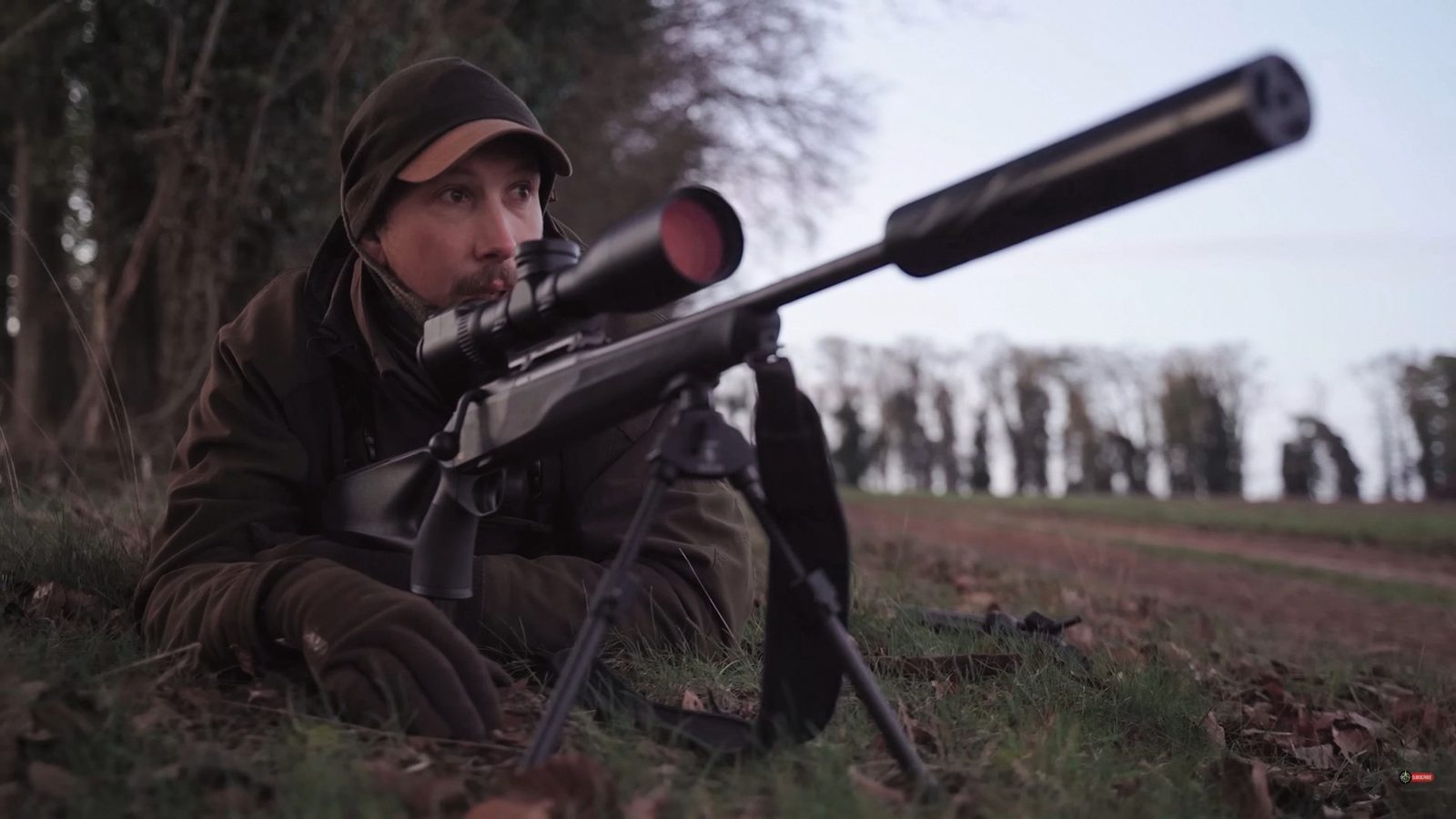
The female deer season in England opened on 1 November and runs to 31 March, and on the Euston Estate it follows hard on the red deer rut, the highlight of the stalking year. Chris Rogers, who manages the deer there and writes on the work for Rifle Shooter, has set out how the winter cull takes shape, and his starting point is that the plan bends to the season. “Although each season’s pattern is slightly different due to weather, cropping and deer numbers, particularly the herding species, which fluctuate due to culling pressure and activities on the estate, things generally follow a yearly sequence,” he writes.
For a keeper or land manager who shares ground with a deer manager, the piece is a clear account of what is being taken, when and why. Rogers wrote it from a Highland glen, where he takes clients after red stags for a week every September; at home, winter stalking runs mornings and afternoons to make the most of the short days.
Which deer are culled on sight?
The first job across every species is herd quality: weak deer and those carrying debilitating injuries are taken out, though not every limp is a death sentence. “It often depends on the animal in question and we do sometimes leave some with minor limps or ailments, as quite often they can still lead a very healthy life and reproduce as normal,” he writes. One stag at Euston limped round the estate for years while “every year his antlers became more magnificent before we eventually took him once he started ‘going back’, the term used to describe when a male’s antlers start to reduce in quality.”
Muntjac carry no plan at all. “Muntjac are shot pretty much on sight all year round with the exception of a few bucks we leave to grow on to become trophy animals for clients,” Rogers writes, and a big buck wandering a hedgerow no client will reach is culled like any other. Fallow are also shot on sight in season, with prickets preferred over older bucks and does over bucks once the female season opens. “Far too many stalkers shoot fallow bucks too young, as soon as they start to see some palmation in the antlers, thinking they are older than they actually are,” he writes. Chinese water deer are now turning up on estate land and are taken when they appear, though “we are not yet in a position to go out specifically looking for the CWD, it’s just a case of taking them if they show up while looking for other deer.”
Why do only red and roe have a cull plan?
Red and roe are the two species with set figures, and Rogers is candid about where those figures came from. They were submitted some years ago for the WS1 deer management grant, “unfortunately the figures were set without a full picture of the deer numbers or population dynamics. Therefore, some cull figures per species have been easily exceeded, while others were never achievable.” He works instead to a number in his head for each native species, and roe does are the more predictable, because their territorial habit keeps the estate’s roe in place away from the boundaries.
Why are roe doe kids taken before old does?
The roe cull runs in two phases. “In November we tend to start by concentrating on roe doe kids, which leaves the buck kids with their mother for as long as possible,” he writes, in the hope of a better first winter, better body condition and in time better antlers. Old does are culled in February and March once the roe have grouped up, which keeps the buck kids in company until spring and lets him judge age by comparison. “Culling individuals from winter groups also gives me a chance to assess the age of the females against each other, as even with years of experience, ageing single deer accurately can be challenging.”
Should the lead hind be shot first?
Red deer numbers on the estate swing with culling pressure and everything else going on, so the red cull is steered as it goes. With hinds and calves, “we are looking to take calves, yearlings and mature hinds with small bodies, or old hinds if they are in small herds.” A hind and calf will be taken in the same stalk where possible, but a calf left at this stage is mostly weaned and soon falls in with other deer. On dropping the lead hind first, he is cautious: it can buy a second shot while the herd dithers, but he leaves some alone to keep feeding and travel routes regular. “Taking out lead females can also cause panic, resulting in more crop damage from trampling animals as they flee in a disorganised manner.”
How does the cull fit round the shoot and the woodland team?
This is the passage for the keeper. Cultivation and sowing move the deer in autumn, and so do shoot days, about three a week at Euston from the partridges in October through the pheasants. “In the past, I would speak to the headkeeper and find out what drives they were doing, or at least the areas they would be in the following day, allowing me to plan my stalking accordingly,” Rogers writes. The shoot now covers a smaller area, so there is always ground he knows the drives will leave quiet, and he heads there instead.
Winter is also when the farm and woodland team are in the woods, coppicing, felling dangerous trees, cutting firewood and mending deer fences round coppice blocks while the cover is down and the leaves are off. “Safety is paramount and this is probably the main situation where good communication with the farm manager is needed, so I know when and where they are entering into the woods and tree belts and can give them a wide berth,” he writes.
What happens next
The roe doe kids come first through November before the cull turns to old does, red hinds and calves and whatever muntjac, fallow and Chinese water deer the days bring. Rogers’s full feature, with his pictures from the estate and the hill, is on the Rifle Shooter website, linked below.
Frequently asked questions
When does the female deer season open in England?
The female season in England opens on 1 November and runs to 31 March, Chris Rogers writes in Rifle Shooter, following the red deer rut on the Euston Estate.
Which deer species are culled on sight at Euston?
Muntjac are shot on sight all year, apart from a few bucks left to grow on for clients, fallow are shot on sight in season with prickets preferred over older bucks, and Chinese water deer are taken whenever they appear. Only red and roe carry a cull plan.
Why does the roe cull start with doe kids?
Taking roe doe kids in November leaves buck kids with their mothers for as long as possible, which Rogers hopes gives them a better first winter and better body condition. Old does are culled in February and March once the roe have grouped up.

About the author
Chris Rogers
A Norfolk deer manager, Chris is responsible for the deer across the 6,000 hectares of the Euston Estate. He writes for Rifle Shooter and Shooting Times and produces a monthly video for Shooting & Country TV, and his subjects run from the rut - among them working an old roebuck with the doe call and the buck’s own bark - through to the year-round practicalities of managing deer at that scale.
 Closes 15 JanuaryWorth £129.90Win a pair of tickets to the British Shooting Show 2027Enter nowFree to enter
Related Articles

How much to tip the gamekeeper: an indispensable guide to shoot-day gratuities
An indispensable guide to tipping the keeper, by Jean-Paul Gaudin: the only shot of the day that truly must hit its mark is the one involving your wallet
By Jean-Paul Gaudin | 18 November 2026

Putting our wild harvest on the table: how simple recipes could get more people eating game
BASC’s new head of wild food, Heidi Savage, explains how simple recipes and practical education could get more people eating game
By Heidi Savage | 18 November 2026
Get the latest news delivered direct to your door
Subscribe to Shooting Times & Country
Discover the ultimate companion for fieldsports enthusiasts with Shooting Times & Country Magazine, the UK’s leading weekly publication that has been at the forefront of shooting culture since 1882. Subscribers gain access to expert tips, comprehensive gear reviews, seasonal advice and a vibrant community of like-minded shooters.
Save on shop price when you subscribe with weekly issues featuring in-depth articles on gundog training, exclusive member offers and access to the digital back issue library. A Shooting Times & Country subscription is more than a magazine, don’t just read about the countryside; immerse yourself in its most authoritative and engaging publication.

