★ Win a pair of Brandecosse Capriolo boots worth £219! Click here to enter ★


Gamekeepers refuse to endorse Scotland’s new muirburn code
Scotland's gamekeepers say they will not endorse the revised Muirburn Code when NatureScot publishes it on 1 July, warning that it strips out the tools they rely on to fight wildfire and puts public safety at risk
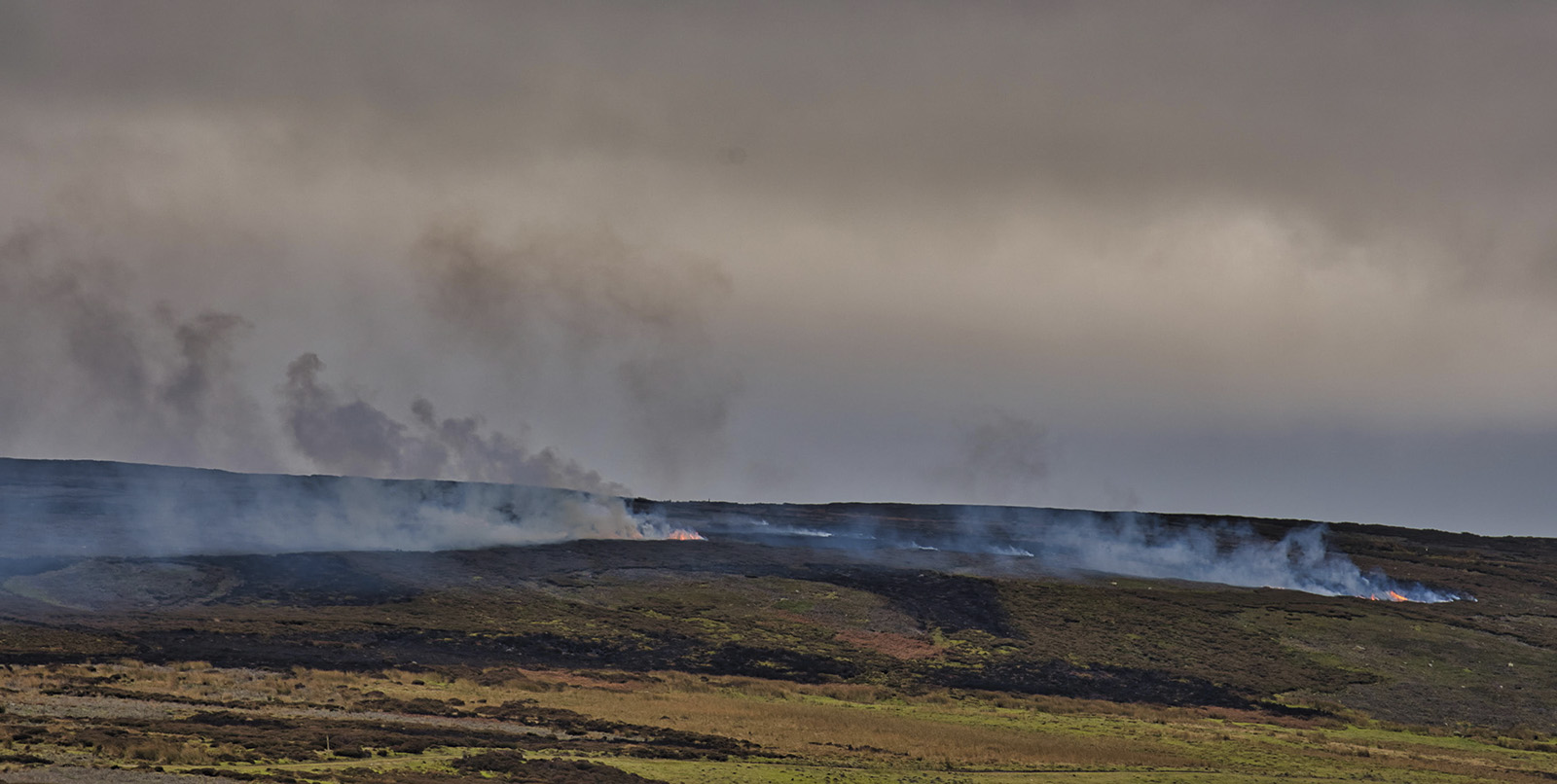

Scotland’s gamekeepers have refused to endorse the revised Muirburn Code, due to be published by NatureScot on 1 July, warning that it will heighten the risk of wildfire and endanger public safety. The Scottish Gamekeepers Association (SGA) says the code, which will govern controlled burning under a new licensing regime, removes “virtually all tools” for protecting the hills.
What will the new muirburn licence require?
From 15 September a licence will be required for all controlled burning in Scotland under the Wildlife Management and Muirburn (Scotland) Act 2024, with NatureScot publishing the accompanying code on 1 July.
Trained land managers will still be permitted to burn on peatland to prevent wildfire under the licence. But the SGA argues the code governing how that is done criminalises proven strategies, leaving “people, property, habitats and economic assets” exposed.
Why won’t gamekeepers back the code?
The association says centuries of practitioner knowledge has been ignored in the final version, despite keepers feeding into its development through official channels and the SGA publishing its own critique.
Gamekeeper Malcolm Downie said: “We agree with co-designing solutions. However, co-designing is not asking practitioners with centuries of practical experience for their views, only to ignore them.”
Gamekeeper Andy Buchan, who helped tackle the recent Pentland Hills wildfire, said keepers valued their engagement with ministers but that NatureScot had “not reflected that practitioner input and concern for public safety and property” in the code. “For that reason, we can’t endorse it,” he said. SGA vice chairman Bob Connelly added that, with “so many aspects unworkable”, the association had “little confidence this will run smoothly”.
How much do keepers contribute at wildfires?
Scotland’s gamekeepers have repeatedly assisted the fire service at major blazes, their most recent intervention coming in the Pentland Hills in late May. The licensing scheme itself was delayed in the wake of the Dava and Carrbridge wildfire, the largest in the country’s history, which burnt through 12,000 hectares.
After that megafire the SGA attended a Scottish Government wildfire summit in the Cairngorms and commissioned a survey of its members. Drawing on local asset registers, it found the gamekeeping sector could mobilise between £5 million and £10 million of volunteer firefighting assets and more than 100 trained staff across Scotland.
Gamekeeper James Rolfe said: “We’ve got a great relationship with Scottish Fire and Rescue Service and SGA members are always amongst the first to assist. However, if they can’t get licences to carry out their daily work, knowledge and investment will be lost and Scotland can only lose from that scenario.”
What happens next
NatureScot publishes the revised Muirburn Code on 1 July, with the new licensing regime taking effect on 15 September. The Scottish Government asked NatureScot to review the evidence to ensure the measures were appropriate to emerging wildfire threats, and the regulator has reaffirmed its earlier position that licensing gives greater protection to peatland. The SGA’s critique of the code, Practitioners’ Concerns are ‘fundamental’, can be read in full on the association’s website at scottishgamekeepers.co.uk.
Frequently Asked Questions
When does the new muirburn licence start?
A licence will be required for all controlled burning in Scotland from 15 September 2026 under the Wildlife Management and Muirburn (Scotland) Act 2024. NatureScot publishes the accompanying Muirburn Code on 1 July.
What is muirburn?
Muirburn is the controlled burning of heather and other moorland vegetation, used to manage habitat and, keepers argue, to create firebreaks that slow the spread of wildfire on the hill.
Related Articles

Firearm and shotgun certificates fall to lowest levels in years
Firearm and shotgun certificate numbers in England and Wales have fallen again, with BASC saying the latest Home Office figures strengthen its case for a single national firearms licensing authority t...
By News Desk
Lake District to launch wild venison brand under deer strategy
A wild venison brand is being developed for the Lake District as part of a new five-year strategy that puts a sustainable venison trade at the heart of landscape-scale deer management
By News Desk
Get the latest news delivered direct to your door
Subscribe to Shooting Times & Country
Discover the ultimate companion for fieldsports enthusiasts with Shooting Times & Country Magazine, the UK’s leading weekly publication that has been at the forefront of shooting culture since 1882. Subscribers gain access to expert tips, comprehensive gear reviews, seasonal advice and a vibrant community of like-minded shooters.
Save on shop price when you subscribe with weekly issues featuring in-depth articles on gundog training, exclusive member offers and access to the digital back issue library. A Shooting Times & Country subscription is more than a magazine, don’t just read about the countryside; immerse yourself in its most authoritative and engaging publication.