★ Win a pair of Brandecosse Capriolo boots worth £219! Click here to enter ★


Lake District to launch wild venison brand under deer strategy
A wild venison brand is being developed for the Lake District as part of a new five-year strategy that puts a sustainable venison trade at the heart of landscape-scale deer management


A wild venison brand is being developed for the Lake District as part of a new five-year strategy to manage deer populations across the national park. The Wild Deer Management Strategy puts a sustainable venison trade at the heart of landscape-scale population control.
What will the venison brand do?
The brand will sell meat from culled deer as traceable, high-quality produce through local hotels, restaurants and farm shops, the strategy states. Plans include new processing capacity, additional shared larders and dedicated routes to market, with the aim of giving consumers confidence in where their venison comes from while strengthening local supply chains.
It was developed by eight organisations, including the Lake District National Park Authority, Natural England, the Forestry Commission, Forestry England, the National Trust, United Utilities, the North Lakes Red Deer Group and Cumbria Connect. The strategy is explicit that fencing and other non-lethal methods are limited in scale and cannot control deer at landscape level, describing culling as an integral part of management, and it includes training support for stalkers, deer managers and farmers.
Developing the venison brand is one of five priorities running through the document, alongside communication, collaboration, data and evidence, and adaptability, framed as a long-term, partnership approach rather than a one-off cull target.
Why does the Lake District need to manage its deer?
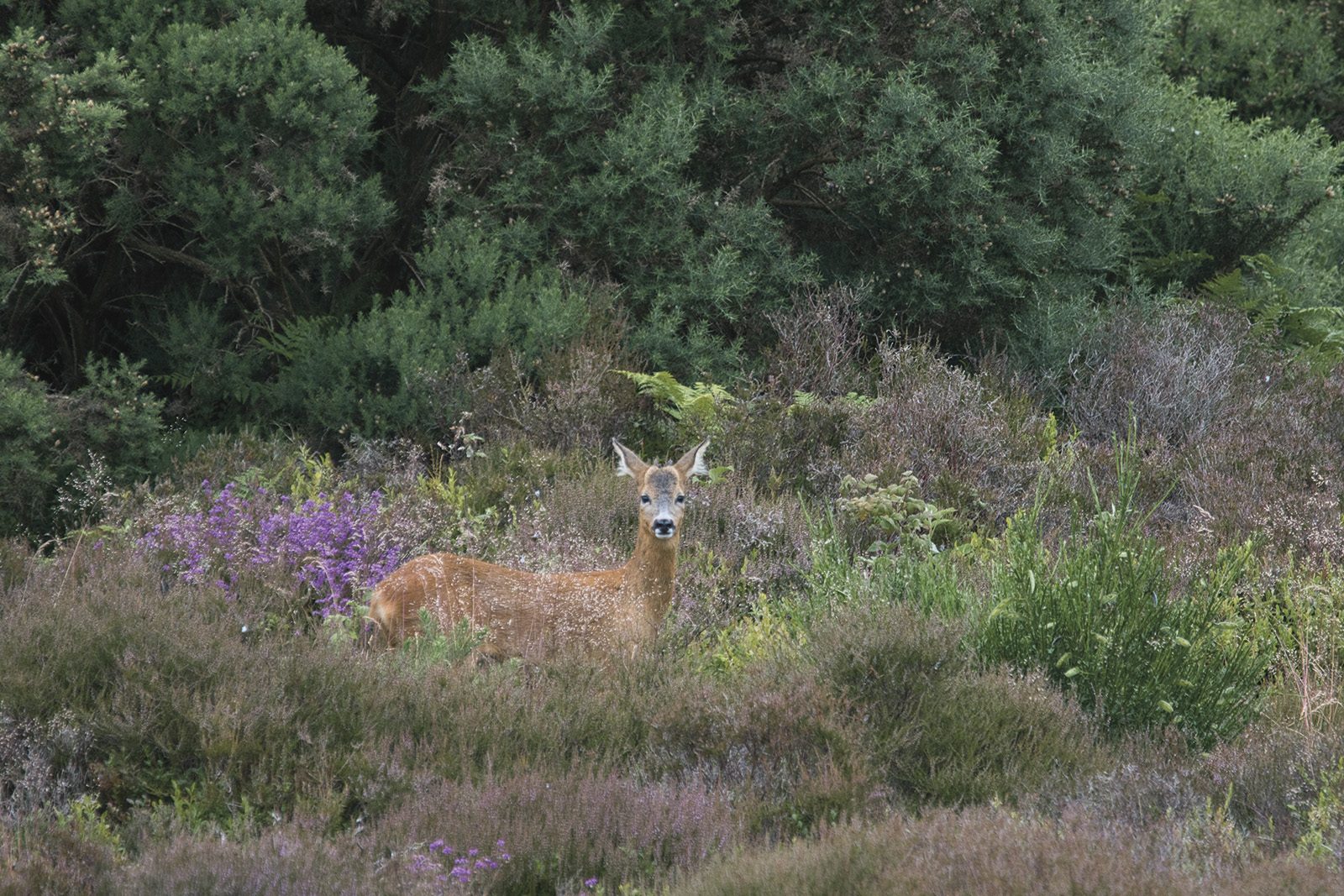
The Lake District’s native red deer herd is described in the strategy as among the purest in mainland Britain, and protecting that status is among the pressures shaping cull targets. Hybridisation between red and sika deer is identified as a priority concern, with managers working to prevent contact between the two species along the border with the Western Dales. Muntjac, spreading northward into Cumbria, are also targeted for suppression.
Cath Johnson, natural environment adviser at the Lake District National Park Authority, said: “Rising deer numbers present significant environmental and land-management challenges across the National Park. While native red and roe deer are an important part of our cultural and natural heritage, high densities can cause serious damage to woodlands and other sensitive habitats. This strategy brings together landowners, environmentalists, deer stalkers and deer experts to help protect our landscape while securing the future for native deer.”
Left unchecked, the strategy warns, high deer densities set back tree planting and natural regeneration at exactly the point the national park is trying to expand and restore its woodlands, making a steady, well-supplied stalking effort central to the wider conservation effort.
What happens next
The strategy runs for five years and includes new processing capacity, shared larders and training for stalkers and deer managers. The full Wild Deer Management Strategy can be read at lakedistrict.gov.uk/deer-strategy.
Related Articles
Gamekeepers refuse to endorse Scotland's new muirburn code
Scotland's gamekeepers say they will not endorse the revised Muirburn Code when NatureScot publishes it on 1 July, warning that it strips out the tools they rely on to fight wildfire and puts public s...
By News Desk

Firearm and shotgun certificates fall to lowest levels in years
Firearm and shotgun certificate numbers in England and Wales have fallen again, with BASC saying the latest Home Office figures strengthen its case for a single national firearms licensing authority t...
By News Desk
Get the latest news delivered direct to your door
Subscribe to Shooting Times & Country
Discover the ultimate companion for fieldsports enthusiasts with Shooting Times & Country Magazine, the UK’s leading weekly publication that has been at the forefront of shooting culture since 1882. Subscribers gain access to expert tips, comprehensive gear reviews, seasonal advice and a vibrant community of like-minded shooters.
Save on shop price when you subscribe with weekly issues featuring in-depth articles on gundog training, exclusive member offers and access to the digital back issue library. A Shooting Times & Country subscription is more than a magazine, don’t just read about the countryside; immerse yourself in its most authoritative and engaging publication.