★ Win a pair of Brandecosse Capriolo boots worth £219! Click here to enter ★

Red grouse densities remain low in GWCT 2026 spring counts
Spring pair counts by the Game and Wildlife Conservation Trust show red grouse breeding densities remain low across northern England and Scotland, with the effects of the poor 2024 season carrying into 2026
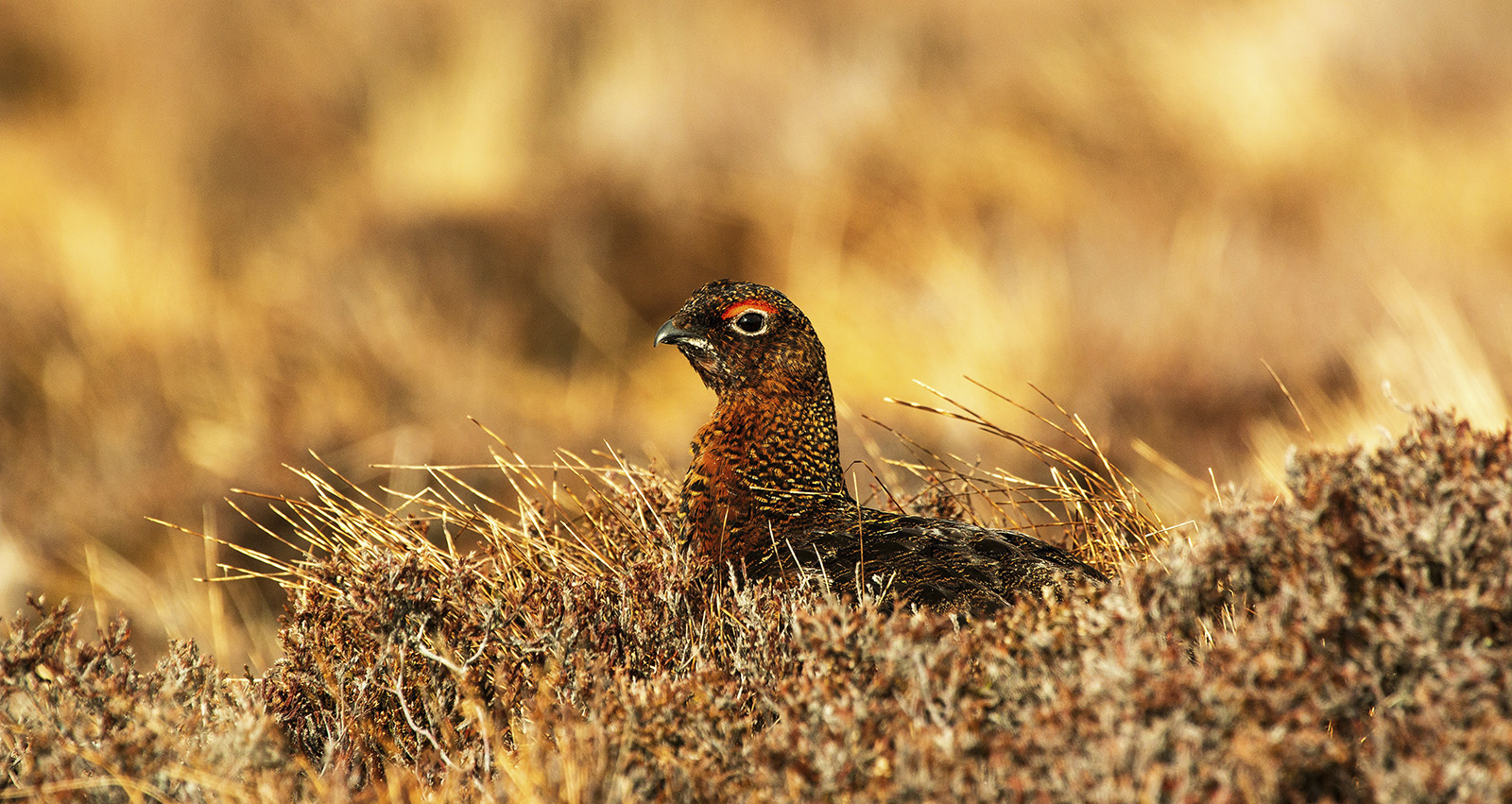

Red grouse breeding densities remain low across the moors of northern England and Scotland, according to the Game and Wildlife Conservation Trust’s 2026 spring pair counts. The GWCT said the effects of the poor 2024 breeding season appear to be carrying into 2026 on some moors, tempering expectations for the coming grouse shooting season.
What did the GWCT spring counts find?
In March and early April, GWCT staff walked established count areas across northern England and Scotland, recording pairs of red grouse before the birds settled to nest. The trust reports that pre-breeding densities remain low, and that at several sites the depressed numbers seen after the poor 2024 breeding season are continuing into 2026.
Spring pair counts are the first firm indicator each year of what a moor is carrying. They set the baseline that keepers and shoot managers use to judge whether there will be a shootable surplus by August. The full regional figures are set out in the GWCT’s report, linked at the end of this article.
Why does it matter for the grouse season?
Red grouse are wholly wild birds. Unlike pheasants and partridges, they are never released or reared for the drive, so a moor can only be shot where counts show a genuine harvestable surplus over and above the breeding stock.
Where pre-breeding densities are low, the responsible course is restraint: fewer driven days, smaller bags, or no shooting at all on the worst-affected ground. The season opens on the Glorious Twelfth, 12 August, but it is the July brood counts, not the spring pairs, that will decide how many days each moor can realistically offer.
What is driving the low numbers?
The GWCT points to the lingering effect of the 2024 breeding season and says the results underline the need to better understand the contemporary drivers of grouse population dynamics. Breeding success on the moors turns on a combination of spring weather, the strongyle worm, louping-ill carried by sheep ticks, and predation pressure.
Much of the day-to-day work that supports grouse numbers, from tick control and heather management to legal predator control, falls to gamekeepers. The trust’s research and advisory teams are continuing to study why some moors are recovering more slowly than others.
What happens next?
Attention now turns to the July brood counts, which will give the clearest picture of how the 2026 breeding season has gone and what the coming shooting season will hold. The GWCT’s advisory service offers count support and guidance to moor managers ahead of the Twelfth.
Read the full results: the GWCT Advisory Scotland report, “Red grouse pair count results: pre-breeding densities remain low”, sets out the regional detail at gwctadvisoryscotland.co.uk.
Frequently Asked Questions
Are red grouse released for shooting like pheasants?
No. Red grouse are wild birds that live on heather moorland all year round. They are not reared or released, so shooting depends entirely on the surplus produced by wild breeding each year.
When does the red grouse season start?
The red grouse season in England, Scotland and Wales opens on 12 August, the Glorious Twelfth, and runs to 10 December.
Related Articles

BREAKING NEWS: Sound moderators removed from firearms licensing as reform takes effect
Sound moderators have been removed from firearms licensing controls in England, Wales and Scotland, ending the long-standing requirement for certificate holders to apply for a variation before acquiri...
By News Desk

Shooting community urged to complete 2026 Game Shooting Census
The deadline for the 2026 Game Shooting Census and Shoot Owner Census, run by GunsOnPegs and Lycetts with the backing of BASC, the Countryside Alliance and the GWCT, closes at 12 noon tomorrow (Tuesda...
By News Desk
Get the latest news delivered direct to your door
Subscribe to Shooting Times & Country
Discover the ultimate companion for fieldsports enthusiasts with Shooting Times & Country Magazine, the UK’s leading weekly publication that has been at the forefront of shooting culture since 1882. Subscribers gain access to expert tips, comprehensive gear reviews, seasonal advice and a vibrant community of like-minded shooters.
Save on shop price when you subscribe with weekly issues featuring in-depth articles on gundog training, exclusive member offers and access to the digital back issue library. A Shooting Times & Country subscription is more than a magazine, don’t just read about the countryside; immerse yourself in its most authoritative and engaging publication.