★ Your magazine. Your say. Complete our reader survey with a chance to win Jack Pyke kit worth £500! ★


Hell on earth: the unsung heroes of the Peak District wildfire
Peak District gamekeepers who fought a wildfire around the clock for 10 days alongside specialist Fire and Rescue Service wildfire teams eventually halted the western flank of the fire at the boundary of a managed grouse moor. This is their story.


Photographs: Peak District Moorland Group
The gamekeepers who helped stop last month’s Peak District wildfire have spoken about what it took to hold the flames – and what it cost them.
Speaking to ST, four grouse keepers and the coordinator of the Peak District Moorland Group have described how a fire that had been smouldering in the peat since late June reignited in the July heatwave and spread at pace on its western flank – and how it took keepers volunteering around the clock alongside Greater Manchester Fire and Rescue Service and other FRS teams, to bring it under control. Their testimony lays bare the price they are paying, death threats from the public they are trying to police, and the toll on family life and mental health.
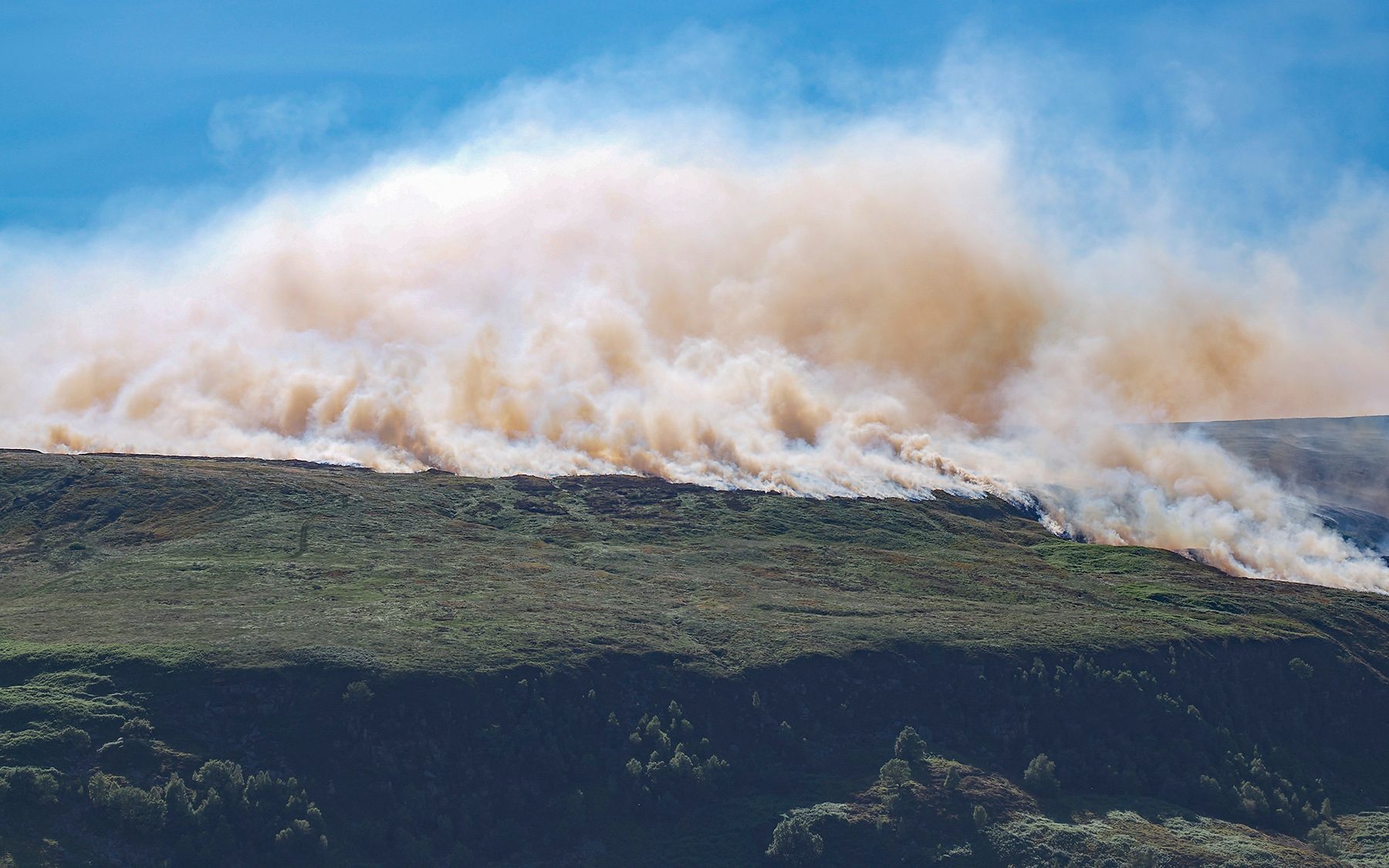
The fire on Tintwistle Moor became the Peak District’s most serious since the Saddleworth disaster of 2018. Derbyshire Fire & Rescue Service declared it a major incident at around 11pm on Sunday 12 July as flames, driven by a change in wind, raced across tinder-dry moorland habitats towards the neighbouring Stalybridge Estate. By the time it was contained, the blaze had consumed 2,500 hectares and left Greater Manchester and far beyond, sitting under choking smoke for weeks.
How the Peak District fire smouldered in the peat for three weeks
Yet for the keepers, the story began almost three weeks earlier. “We were aware of the initial fire at the end of June,” said Jonathan Simmonds, the single-handed keeper of the 3,000-acre Stalybridge Estate. The official cause remains under investigation. The visible flames were soon extinguished, but what was left behind was not a dead fire – it was a buried one. For a fortnight, the keepers watched smoke rising from the peat. “Burning peat with a predicted forecast of more heatwaves and strong winds is only going one way,” said Richard Bailey, coordinator of the Peak District Moorland Group and a gamekeeper for 33 years. “It’s a ticking timebomb.”
Jim Sutton, headkeeper of a 7,500-acre estate near the Woodhead Pass, was watching the same hotspots from across the valley, and shared the same sense of foreboding.
The reckoning came in the second week of July, when the buried fire met what firefighters call “fire wave” conditions: temperatures of 30 degrees, winds of 30mph and humidity of 30%. “Anybody with experience of wildfires will tell you that is a recipe for disaster,” said Richard, adding: “It was all predicted.” Its behaviour defied even their experience. “It back-burned so far it went down into a valley, side-burnt around the hill end, and then the wind got behind it and turned that into a fire front that burnt back to where it started,” said Jim, a keeper of 30 years. “I’ve never seen a fire do a 360 like that.”
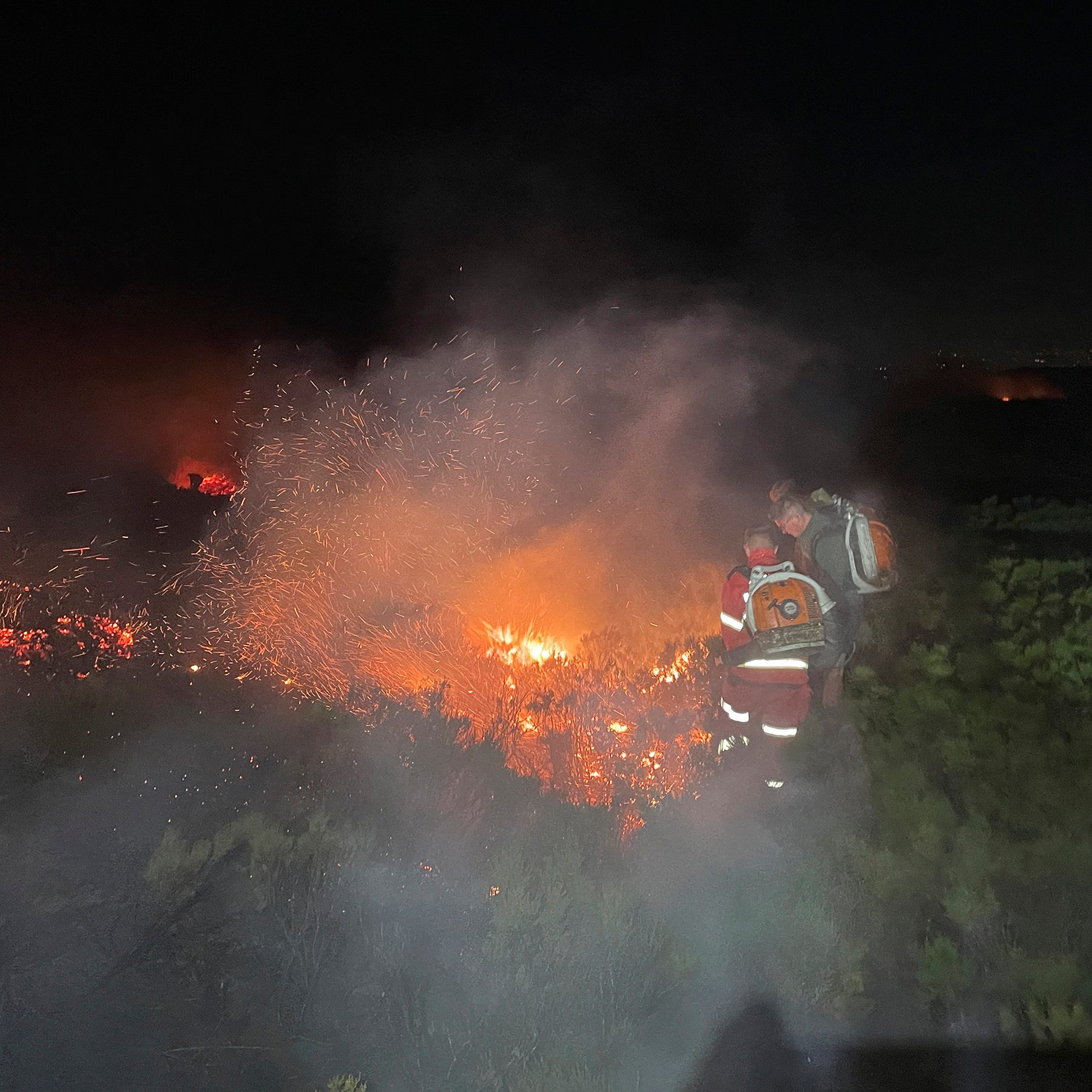
At 6pm on 12 July, with the flames heading for his boundary, Jonno Simmonds, the single-handed keeper of the 3,000-acre Stalybridge Estate, rang round the neighbouring estates. “We got the call: right, we need to go right now,” said Jim. “Off we went, and that was it until about half three the next morning.” What they walked into, he said, “is hell on earth – you’re choking, your eyes are full of soot and sparks. Until you’ve actually been in amongst it, you can’t describe it.”
How gamekeepers fought the wildfire for 10 days and nights
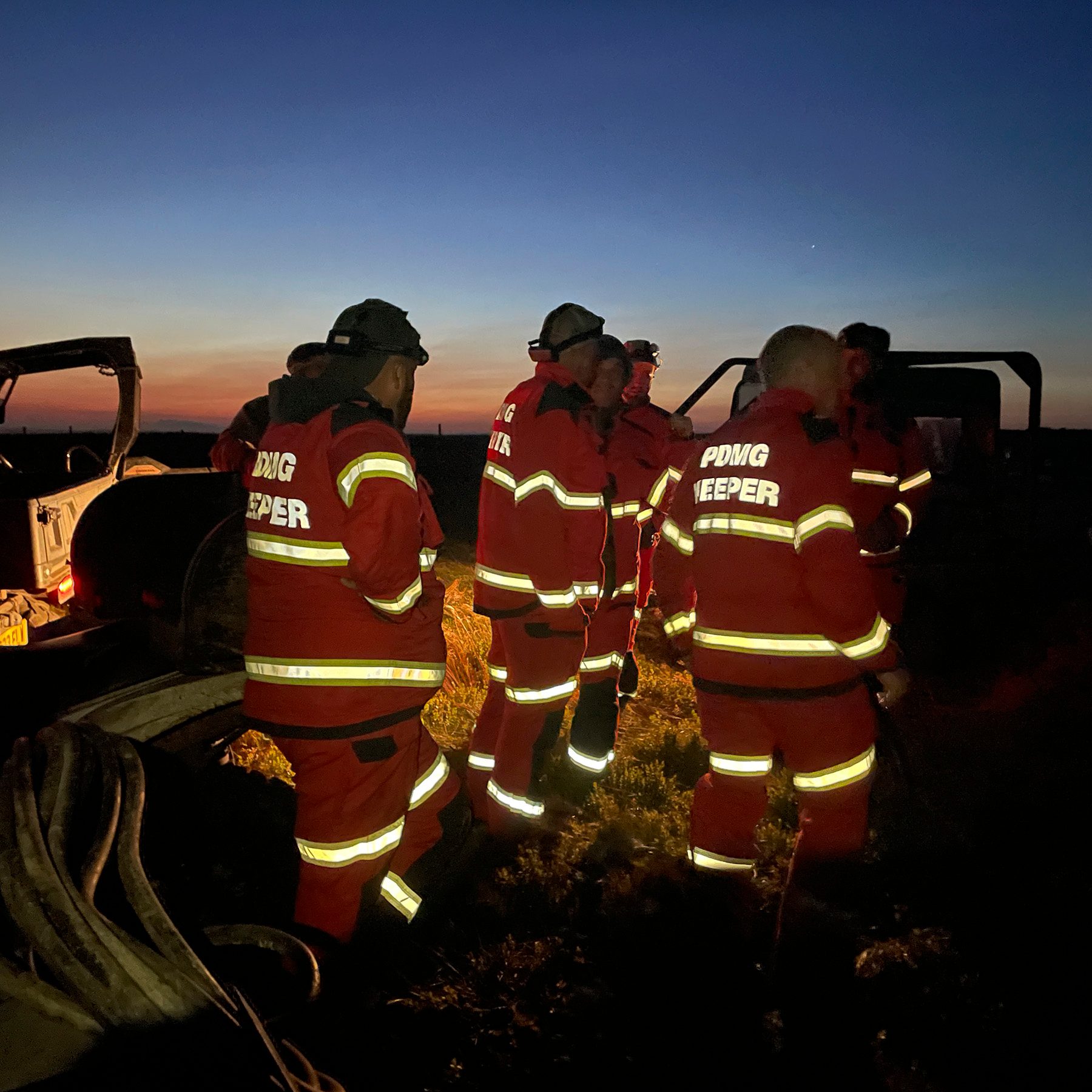
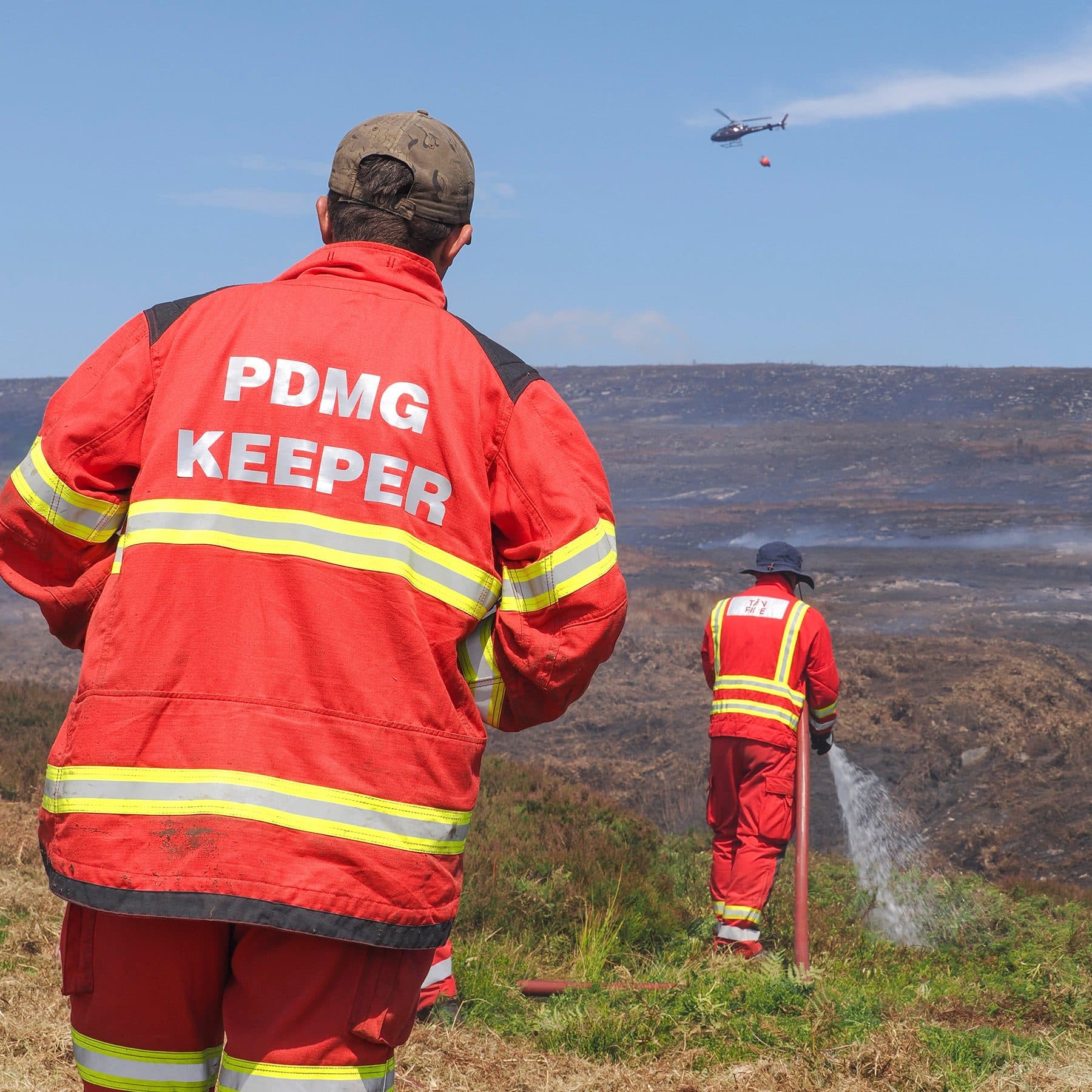
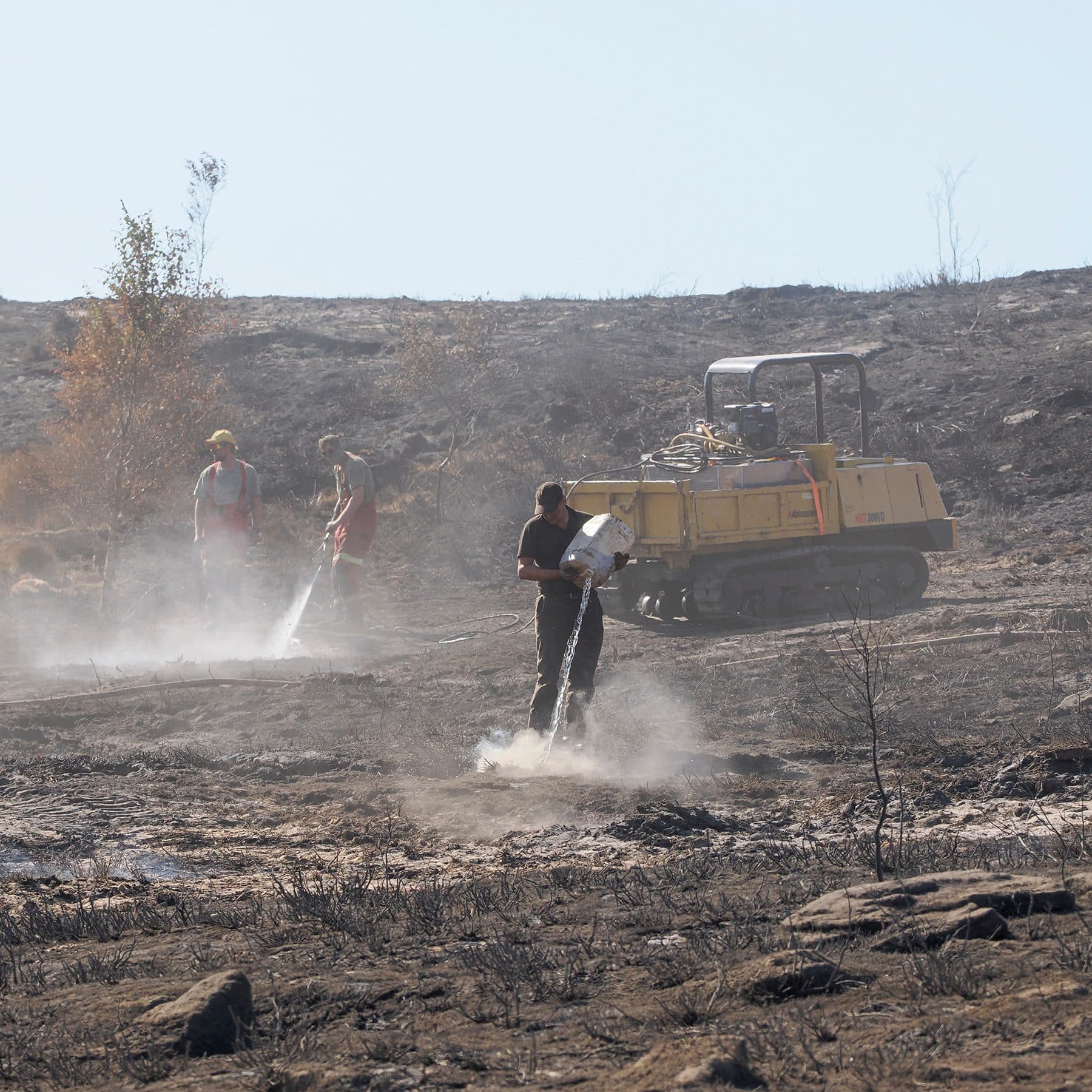
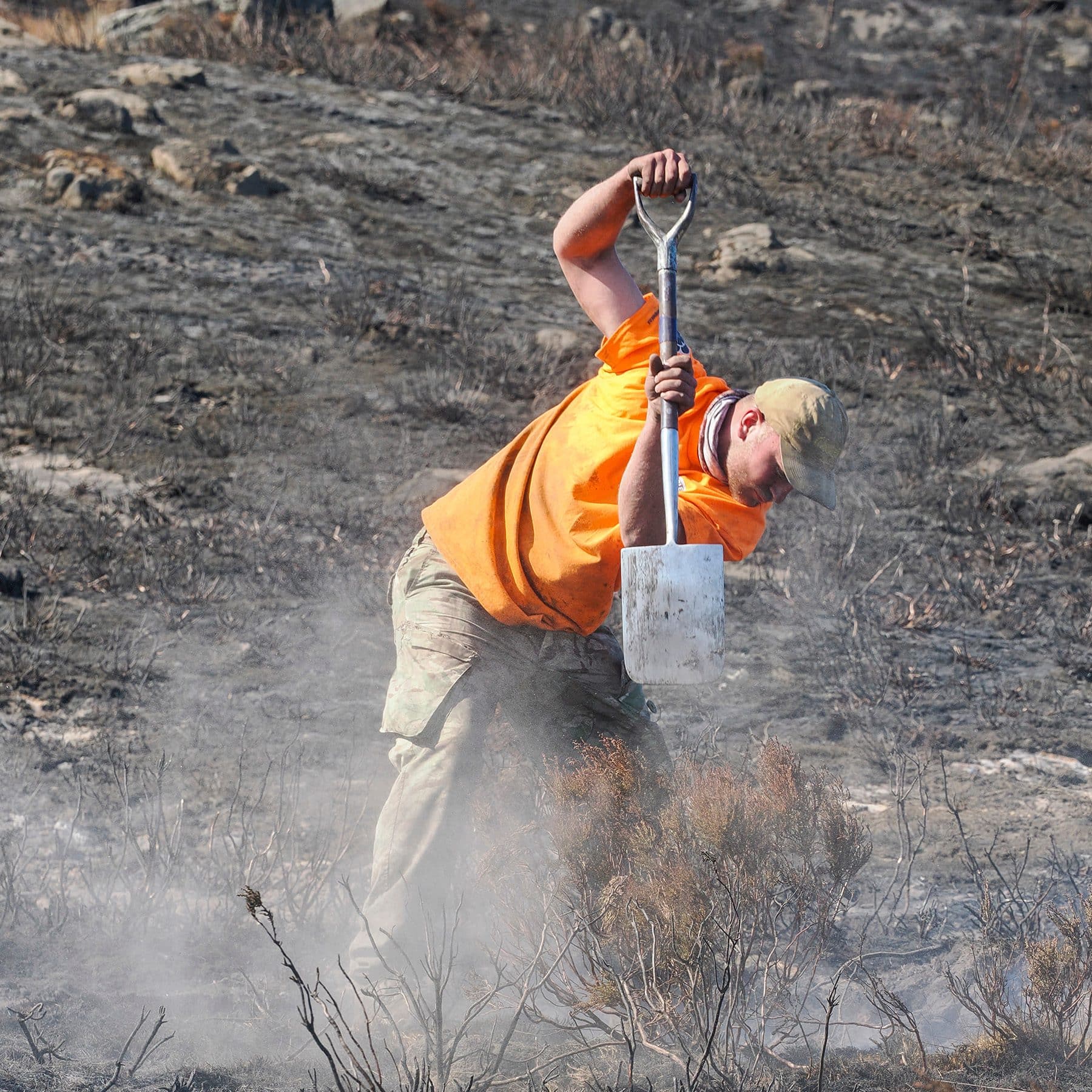
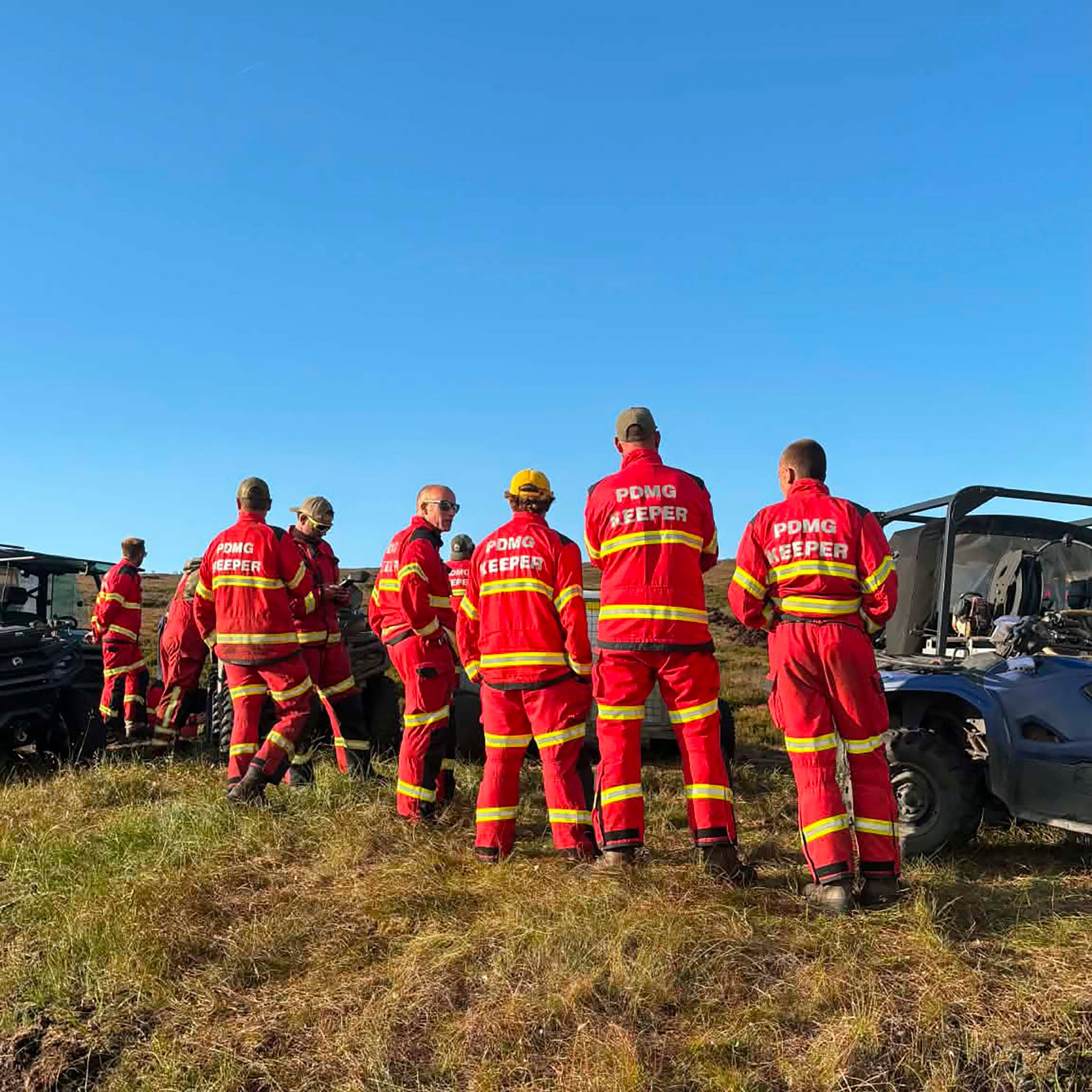
That first night set the pattern for the 10 that followed. At its height, 15 to 20 keepers worked day and night on the fire with seven or eight Argocats and buggies carrying water fogging units, and carting water, backed by around 15 leaf blowers driving flames back into burnt ground. All hold Lantra wildfire training certificates, and several train Greater Manchester fire crews on moorland burning each winter, academic qualifications are one thing, but in situations like this experience of moorland fire behaviour and navigating the terrain counts for far more. A rota between estates ensured no moor was left unmanned – even as the men went in in daylight and came out in pitch black, navigating ground they barely knew, travelling across moorland terrain is a skill in itself, but comes second nature to the moorland ‘keepers.
Scott Grainger, who keepers around 14,500 acres on the Snake Moors with two beatkeepers, arrived at 9.30pm on the Sunday and did not return home until 3.30am on the Tuesday. “Terrifying, and extremely upsetting,” is how he describes it, adding: “To see the absolute devastation is heartbreaking.”
The men came off the hill unrecognisable. “We all looked like coal men,” said Scott. “Absolutely covered in soot, and exhausted – on these fire fronts there’s no respite. It’s just non-stop.” Jonno’s description was “black as the ace of spades”, the soot ground so deep into skin, hair and overalls that no amount of washing would shift the smell.
What the wildfire cost keepers and their families
Most were coming home to young families. Scott’s daughters are 13 and 10. “There was a massive tearful hug from my youngest every night when I got home,” he said. “You could see it had clearly affected her.” His wife, juggling childcare alone, had been distressed by WhatsApp footage of the men on the fire front. Jim France, who keepers a 2,500-acre moor near Glossop on the western fringe of the Peak District and has a son and daughter of 14 and 10, said family life suffers even between fires, with keepers patrolling for campfires every dry evening. “Where you might have grabbed an hour or two with your family at tea time, we’re just not getting that. We’re not seeing family like we used to. I am never at home.”
Why grouse moor management paid for the wildfire response
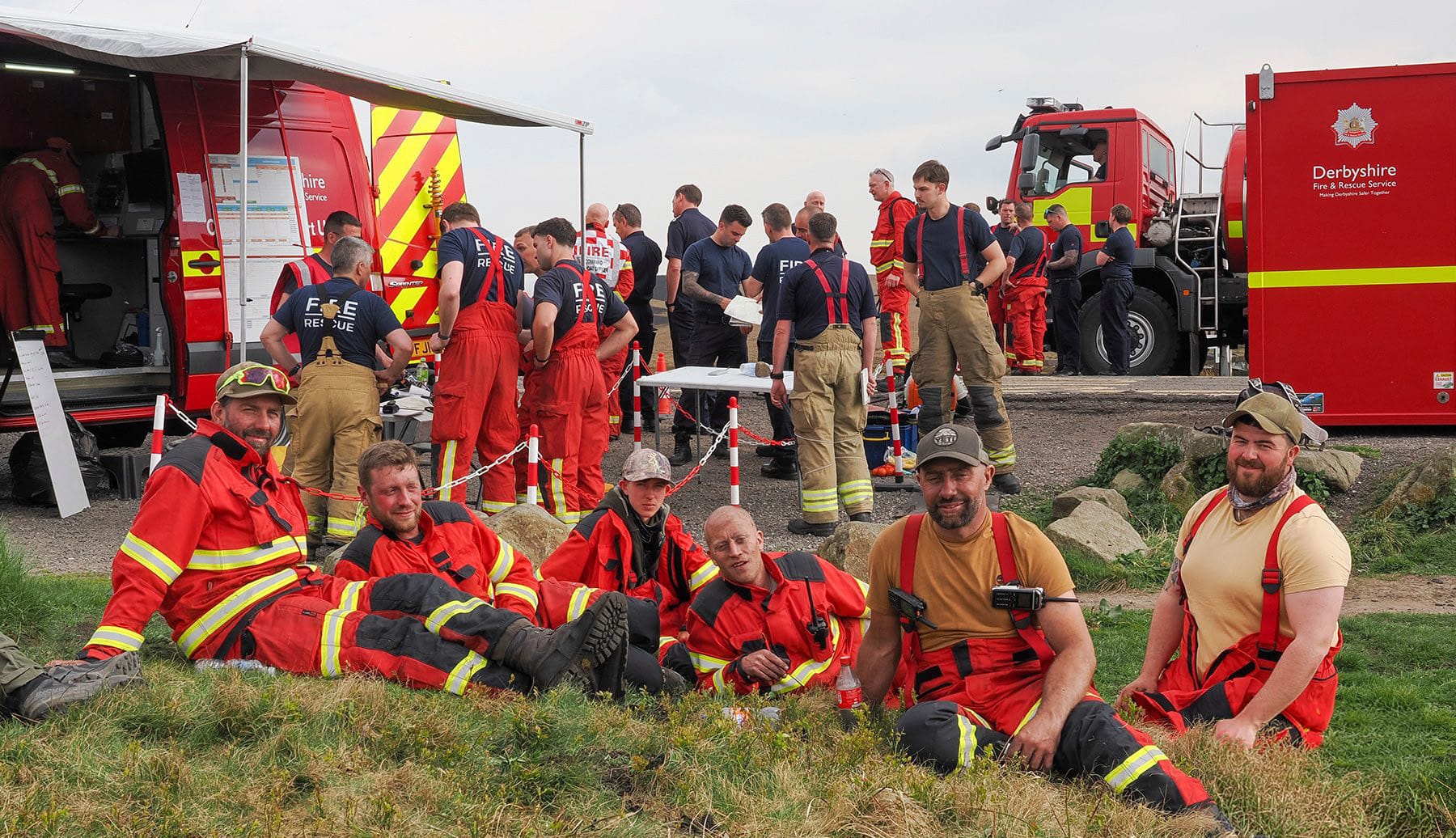
Greater Manchester Fire and Rescue Service has been generous in crediting the keepers’ invaluable role. Yet none of that capability exists by accident. Every man on the hill was there because he manages a moor with a grouse shooting interest – almost all of estates are family or syndicate shoots rather than commercial operations – and it is grouse management that pays for the Argocats, the fogging units and the generations of burning experience the fire service leant on. “It is an absolute miracle that the whole of Stalybridge didn’t go up,” said Jim Sutton, “and it’s only down to the keepers on the ground and professional skills from all the fire and rescue teams involved.”
Recognition came from closer to home, too. Micklehurst Cricket Club channelled public donations into meals for keepers, and within days, the delivery of 30 Sundström face masks, recommended by the Fire Service. The smoke reached far beyond the fire line: driving through Stalybridge one evening, Jim France’s truck switched its automatic headlights on in broad daylight; the town had been sitting in it, on an east wind, for weeks.
The mental health toll of back-to-back moorland fires
The same estate teams were also present on the Ashop wildfire, which occurred at the end of May in the Peak District, once again bolstering Derbyshire FRS and other Fire Operation Group partners with manpower, kit and experience.
After the Ashop fire, Jim France – by his own description a resilient man – emailed his land agent and the estate’s owners to say he was struggling with his mental health. “I couldn’t sleep. Every time I closed my eyes, I was back in smoke and flame,” he said. “I’m not really an emotional person, but I found myself sat in tears two days after that fire.”
Wild camping, campfires and threats against gamekeepers
Deepening the strain is the knowledge that many land managers feel so much more could be done in preventing these fire incidents. The Peak District is ringed by Manchester, Sheffield and Huddersfield, and on any dry weekend its moors fill with visitors, most are respectful, many are not. Jim Sutton’s estate logged 40 to 50 incidents involving campfires, barbecues and related confrontations over a single 48-hour period, and even hired a two-man private security team at £600 a day after keepers were threatened with having their houses burnt down by illegal wild campers. Several of his staff considered resigning. “To be fair, this sort of work wasn’t in their job description,” he said.
Scott has faced identical threats on his ground: “We’re going to blow your vehicle up. We know where you live. You’d better be careful of your family – all for simply saying, you’re not supposed to be having a fire here, please put it out.” For safety, he now forbids his staff from approaching campers alone. Most galling, the illegal behaviour did not pause even for the wildfire emergency: keepers coming off the moor after fighting flames all day found ignorant visitors attempting to light campfires and barbecues that same evening, and the ‘keepers WhatsApp groups filled nightly with photographs of fresh fires. On one neighbouring estate, keepers found the remains of a firework display on the moor; wooden no-fire signs have been chopped up with axes and used as firewood.
How burning restrictions have removed the moor’s firebreaks
The keepers are equally frustrated by the regulations they themselves must work within. Prescribed winter burning over deep peat – which historically created firebreaks across these moors – has been progressively restricted since 2018, when many estates signed a voluntary cessation, with legal limits following in 2021 and tightening again last year. Jim Sutton’s estate has not burnt heather on deep peat, which covers 99% of its ground, since 2018 – yet still maintains a £40,000 Argocat and fogging unit purely for wildfire emergencies. “Effectively, you’ve got estate owners funding a private emergency service,” he said.
The Governments recommended alternatives fare little better in the keepers’ assessment. Cutting cannot reach steep, wet or rocky ground, and leaves flammable cut brash laying on the cut areas; these alternatives come at a financial burden too, Jim France’s estate has spent more than £80,000 on a tractor and cutting equipment to replace winter burns that previously cost £1,000 to £2,000 a year in labour and fuel. As for rewetting, he has overseen 17km of gully blocking on his own ground and praises its for its conservation value, but is adamant about its limits: “They are not a wildfire prevention method. You’re only rewetting one to two metres of peat around the dams. The rest is still dry, and the fire skips over and burns straight into it.” Richard is only too aware that the individuals and organisations that are advocating landscape scale rewetting say this will take up to 50 years before we see any meaningful vegetation modification, the challenge we face is that many of these areas are being ravaged by severe wildfires numerous times within a short time frame, and areas that historically have always been wet are now drying every summer with the increased heat waves we are experiencing. Like Jim, Richard comments that they are not against attempts at blocking historical man-made drainage channels on moorland, wet areas are fantastic for insects and the myriad of ground nesting birds that visit the areas to breed. He says: “If we are serious about wildfire mitigation we need to retain all the management tools and urge the policy makers to review the emerging science, not just staying entrenched in previous short term reviews and papers, that has guided the policies we are now operating under.”
The western flank of this fire was finally halted at the boundary of a managed moor, where footage shows the flames being more easily suppressed as it reached uneven aged mosaics of vegetation, characteristic of a managed moor.
Why Peak District keepers feel unheard by policymakers
The keepers have long campaigned for more help in preventing these fires, and feel unheard. “Everything we have said has fallen on deaf ears,” said Jim Sutton.
Jim France believes he knows why. “If we had a different job title and we weren’t associated with toffs in tweed, I think we would be listened to more,” he said. He has even retitled himself from ‘headkeeper’ to ‘conservation manager’ and finds it remarkable how many more ears prick up in meetings at the latter where the former closed them.
One exception is Marie Tidball, the Labour MP for Penistone and Stocksbridge, who has been receptive on wildfire and is due to meet the keepers – “whenever it next rains”, said Jim Sutton. Scott’s demand of ministers is blunter still: “I want a government official to come and physically have a look at what we’re having to deal with, especially around the anti-social behaviour issues, because it’s absolutely not recognised how bad it is. Something has to change. They cannot keep turning a blind eye.”
Counting the cost to moorland wildlife
The full cost, meanwhile, is still being counted. Keepers recovered dead mountain hare leverets, and pre fledging ground nesting bird chicks too small to escape the flames. Stalybridge Moor, which burnt out in the 2018 Saddleworth fire and has never fully recovered, escaped this time – but Jonno is still monitoring his boundary twice daily, along with the fire service he knows the importance of dealing with any peat flare ups.
Who knows how long the gratitude will last. The Glorious Twelfth falls this week, and when the guns come out, the keepers who spent July being hailed as heroes will go back, in some eyes, to being villains. Richard watched the same swing after Saddleworth in 2018: “It’s interesting how the pendulum moves – from being a hero to sadly being zero in the community in some people’s minds – when there’s no wildfire and keepers go back to being just keepers.” The past month ought to settle which they are. Because the next inferno is a matter of when, not if – and when it comes, it will be the same determined men who tackle the flames. With their fire knowledge, specialist kit and the desire to protect the areas that are far more than just a workplace in their hearts.
Support for gamekeepers and their families
If you have been affected by any of the issues in this article, contact the Gamekeepers’ Welfare Trust. The charity runs a confidential helpline on 0300 1233088 for gamekeepers, stalkers, ghillies and their families, covering mental health, ill health, employment and housing.
More about the Peak District Moorland Group
The Peak District Moorland Group represents the gamekeepers and estates who manage the moors in this article, and posts its wildfire, conservation and moorland management work as it happens.

About the author
Selena Barr
Originally cutting her teeth as Shooting Times news editor two decades ago, her career in sporting journalism has taken her all over the world turning field adventures into reports that focus on conservation and sustainability.
Related Articles

Shoots urged to use every bird as chiller network triples
The Country Food Trust is now running six game chillers around the UK, three times last season's number, and is asking shoots and Guns to make sure every bird shot goes into the food chain
By Shooting Times | 20 September 2026

Snettisham: 71 years of visits and a hard look at the RSPB
David Whitby has known this stretch of the Norfolk coast since boyhood, and returns to weigh what the reserve has gained against what it has quietly lost
By David Whitby | 19 September 2026
Get the latest news delivered direct to your door
Subscribe to Shooting Times & Country
Discover the ultimate companion for fieldsports enthusiasts with Shooting Times & Country Magazine, the UK’s leading weekly publication that has been at the forefront of shooting culture since 1882. Subscribers gain access to expert tips, comprehensive gear reviews, seasonal advice and a vibrant community of like-minded shooters.
Save on shop price when you subscribe with weekly issues featuring in-depth articles on gundog training, exclusive member offers and access to the digital back issue library. A Shooting Times & Country subscription is more than a magazine, don’t just read about the countryside; immerse yourself in its most authoritative and engaging publication.