★ Win four pegs on a Kent simulated game day with JBD Sporting worth £1,000! Click to enter ★



MPs press Defra over burning licences as wildfires spread
The EFRA Committee has demanded answers from Defra on deep-peat burning licences, after its wildfire inquiry drew 190 submissions, almost 70 per cent from individual land managers
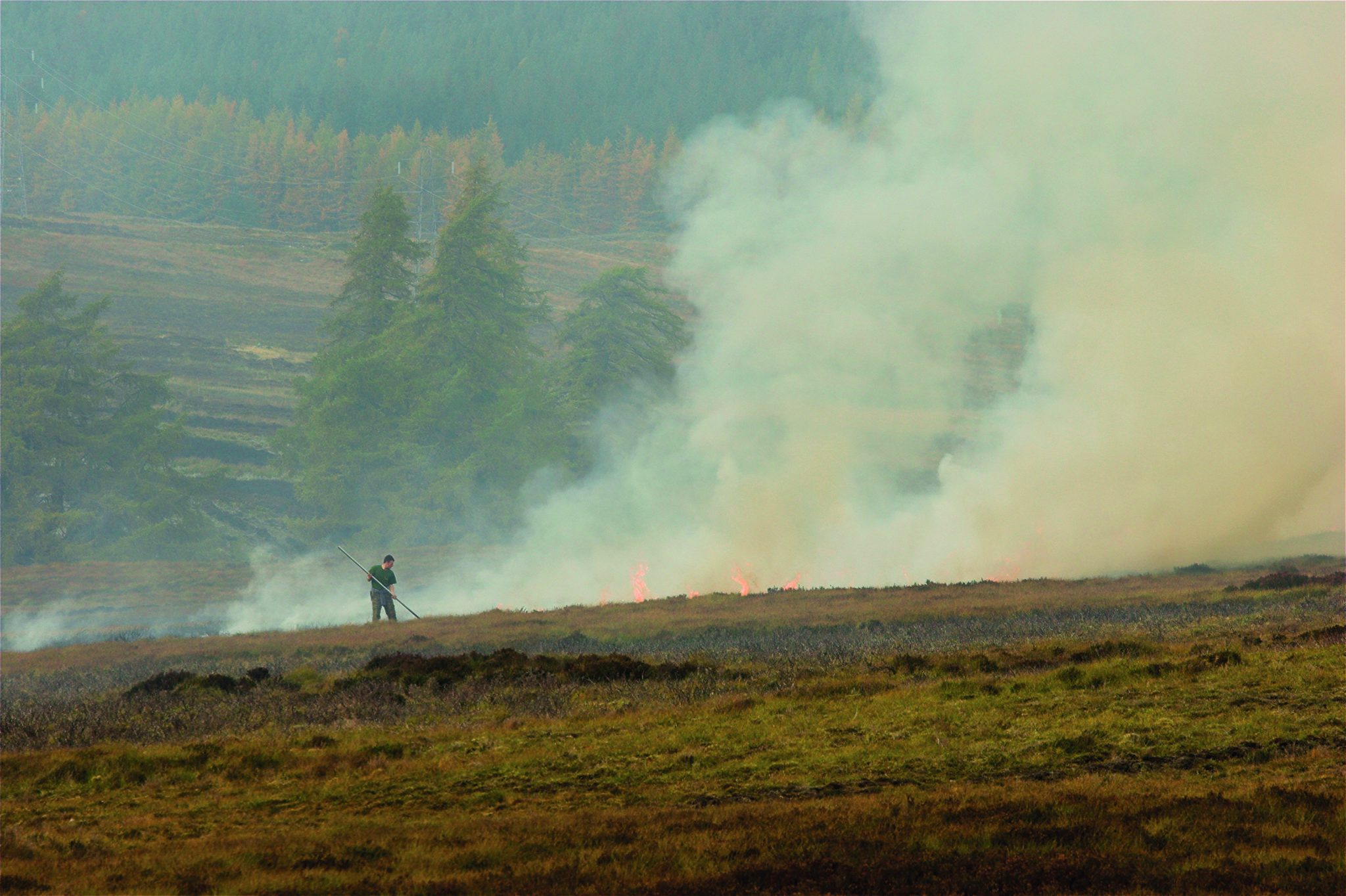 Credit: Avalon/Universal Images Group via Getty Images

The chairman of Parliament’s environment committee has demanded answers from Defra over England’s deep-peat burning licences, revealing that the committee’s wildfire inquiry drew 190 submissions, almost 70 per cent of them from individual land managers. Alistair Carmichael’s letter, published as wildfires burn at Cairngorm and in Wales, asks how the department will fix a licensing process land managers call unworkable and whether the science behind the 2025 burning rules stands up.
What does the EFRA Committee letter ask Defra?
The letter, sent on 7 July and published by the Environment, Food and Rural Affairs (EFRA) Committee, puts two questions to the department: how it is addressing concerns about the challenges and complexities of obtaining managed burning licences, and to what extent Natural England’s evidence review NEER155 informed the update to the burning regulations, together with the department’s stance on the criticism that review has faced.
Mr Carmichael, the committee’s chairman, wrote that a strong theme in the evidence was “apprehension about the increasing likelihood and severity of wildfires, due to vegetation buildup” following the Heather and Grass etc. Burning (England) (Amendment) Regulations 2025, which extended restrictions on burning over deep peat. The committee asked for a response by 21 July. That deadline has now passed, and with Emma Reynolds moved on in this week’s reshuffle the answer falls to her successor as Environment Secretary, Dame Angela Eagle.
Why was England’s only deep-peat burning licence unusable?
The letter sets out the case of Hurst and Chunal Moors in the Peak District, which told the committee it held the only licence permitting controlled burning on deep peat in England in the most recent burning season. The licence had to be personally approved by the minister, yet it proved unusable because the restoration plan required by its conditions was never accepted.
Witnesses described the licensing process as “overly complex, slow, time consuming” and demanding large amounts of data. Asked about those challenges in oral evidence, Natural England was unable to answer the committee’s questions, indicating the concerns were “something to learn more about”. Richard Bailey, group coordinator at the Peak District Moorland Group, told MPs he had concerns about the scientific rigour and methodology of NEER155, and suggested Defra has now rejected the report.
What was said in the Commons?
The letter sharpens an exchange in the Commons on 13 July, when ministers gave the annual state of climate and nature statement. Robbie Moore, Conservative MP for Keighley and Ilkley, responding for the Opposition, said the Government had ignored warnings from the National Fire Chiefs Council, the National Farmers’ Union and environmental scientists, and accused ministers of “letting massive fuel loads build up across our moorland, effectively creating a tinderbox and vastly increasing the risk of devastating wildfires that destroy the very peatlands and biodiversity that this Government claim they want to protect”.
Defra minister Mary Creagh rejected that premise, telling MPs that “wetter, healthy and functioning peatlands are much more resilient to the impacts of wildfire” and pointing to £85 million committed to peatland restoration by 2030, some 10,000 hectares brought into restoration since the Government took office, and a target of 40,000 additional hectares by 2030.
What happens next
The committee is expected to publish any response from Defra, and the wildfire strand of its climate adaptation inquiry continues. The Moorland Association, which has published its own analysis of the exchange at moorlandassociation.org, argues that rewetting and fuel-load management have to work together: “A bog that will be functioning in 2050 still has to survive the summers between now and then, and what burns in those summers is the fuel sitting on the surface today.” The letter can be read in full on the EFRA Committee’s pages at committees.parliament.uk.
Related Articles
News, Shooting
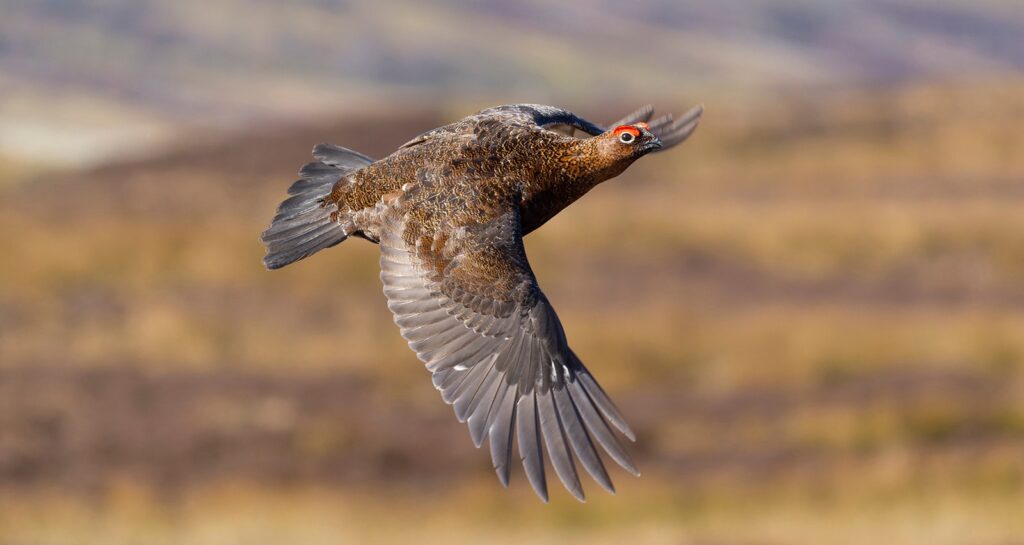
Grouse counts 2026 point to recovery on English and Scottish moors
Mark Osborne of sporting agent JM Osborne reports a very welcome rise in the number of grouse counted on most moors in northern England and southern Scotland this July. Brood averages of eight and nin...
By Mark Osborne
News
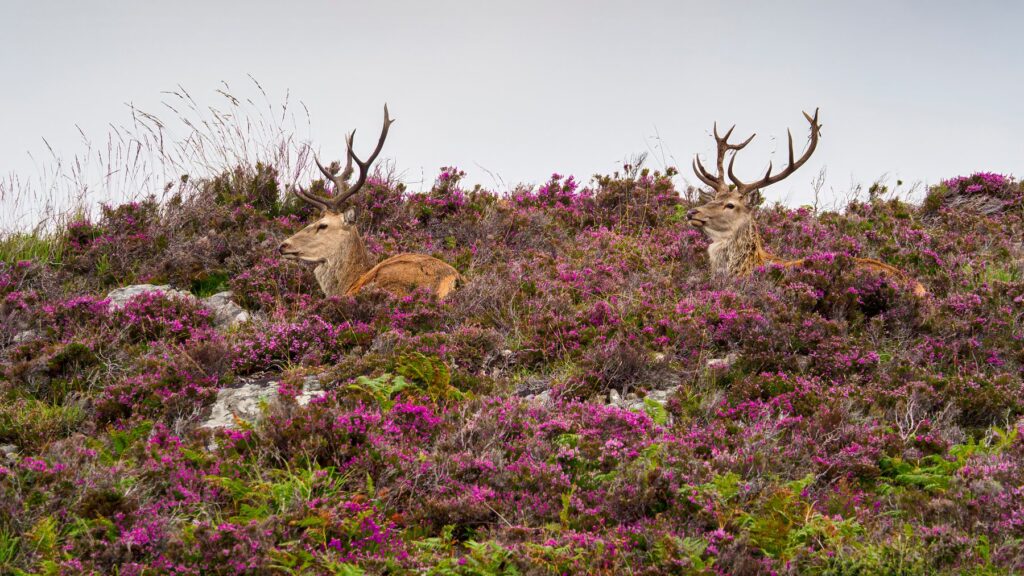
Loch Choire deer control scheme set to be revoked
Scotland’s first compulsory deer control scheme is to be lifted after Loch Choire Estate reached a voluntary agreement with NatureScot on managing its red deer
By News Desk
Get the latest news delivered direct to your door
Subscribe to Shooting Times & Country
Discover the ultimate companion for fieldsports enthusiasts with Shooting Times & Country Magazine, the UK’s leading weekly publication that has been at the forefront of shooting culture since 1882. Subscribers gain access to expert tips, comprehensive gear reviews, seasonal advice and a vibrant community of like-minded shooters.
Save on shop price when you subscribe with weekly issues featuring in-depth articles on gundog training, exclusive member offers and access to the digital back issue library. A Shooting Times & Country subscription is more than a magazine, don’t just read about the countryside; immerse yourself in its most authoritative and engaging publication.