★ Your magazine. Your say. Complete our reader survey with a chance to win Jack Pyke kit worth £500! ★


Moorland Association calls for wildfire review of rewilded land
After fire burnt through Dunwich Heath, the Moorland Association says rewilding cannot be assumed to cut wildfire risk and wants an independent review of how conservation land is managed
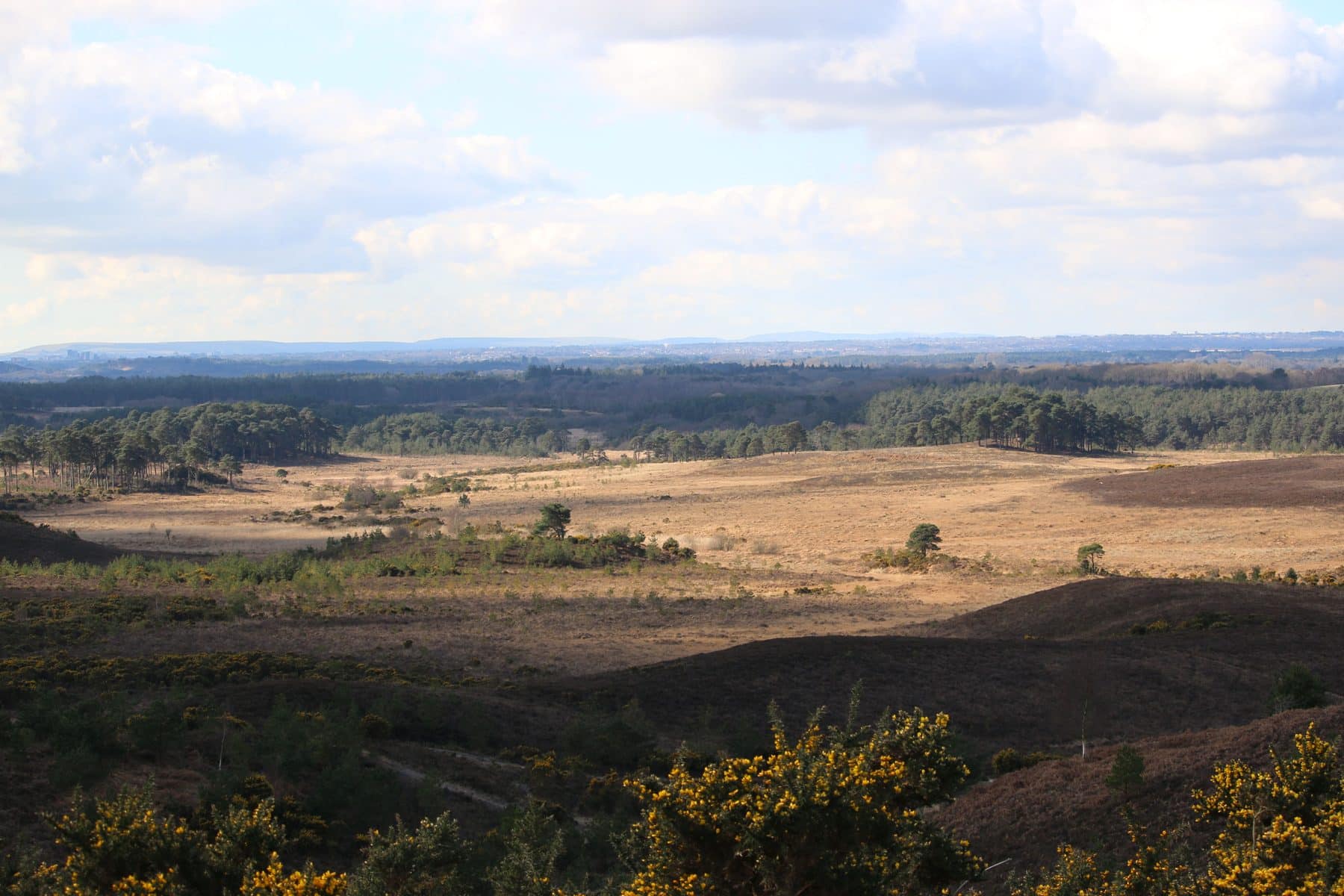

The Moorland Association has called for an independent, evidence-led review of how Britain’s largest conservation organisations manage vegetation, after the Dunwich Heath fire pushed rewilding and wildfire risk up the national agenda. Chief executive Andrew Gilruth made the call in a letter to The Daily Telegraph, published on the association’s website on 5 August.
What does the letter say?
Mr Gilruth was responding to the newspaper’s 2 August report on the Dunwich Heath fire, which carried claims that rewilding had left the Suffolk reserve primed to burn. Once a fire starts, he wrote, its spread and intensity depend on the weather, the shape of the land and the vegetation available to burn, and of these, vegetation is the factor land managers can influence.
Recent wildfires on land managed by some of Britain’s largest conservation organisations “should prompt an independent, evidence-led examination of vegetation, land management and preparedness”, he wrote. “Nature recovery or rewilding cannot simply be assumed to reduce wildfire risk.”
Without active management, the letter argues, such landscapes can develop large areas of continuous vegetation, while grazing, cutting, firebreaks and carefully planned winter burning break up that fuel and assist firefighters. Asking these questions “is not an attack on conservation”, Mr Gilruth wrote, but reflects what neighbouring communities and landowners reasonably expect: management that protects wildlife, homes and livelihoods.
What happened at Dunwich Heath?
The fire broke out in late July on the RSPB’s Minsmere reserve before spreading on to the National Trust’s neighbouring Dunwich Heath, near Leiston, burning through around 370 acres of coastal heathland that holds nightjar, Dartford warbler and adder. The Trust has launched an emergency appeal to restore the site, describing the landscape as unrecognisable.
The Trust rejects the suggestion that its management is to blame, pointing to very low rainfall and widespread drought across England and Wales, and says its Suffolk team has long reduced fire risk by cutting heather and maintaining firebreaks.
Why does it matter to keepers and moor owners?
The letter lands in the middle of the shooting community’s own wildfire argument. Gamekeepers spent much of July on firelines in the Cairngorms and the Peak District, and the association is separately pressing Natural England over when a moor at high fire risk can lawfully be closed to the public, with a five-working-day deadline set this week.
The association’s position is that fuel load is the one wildfire factor anyone can control in advance, and that the grazing, cutting and winter burning practised on keepered moors are precisely the tools that break it up. An independent review of how conservation landscapes are managed would test whether the same disciplines should apply there.
What happens next
The association wants an independent, evidence-led examination of vegetation, land management and preparedness on conservation-managed land; no body has yet been named to carry one out. The National Trust’s restoration appeal for Dunwich Heath is open, and the association’s separate deadline to Natural England over fire closures expires in the middle of next week, days before the grouse season opens on 12 August. The full letter can be read on the Moorland Association’s website.
Frequently asked questions
Where did the Suffolk wildfire start?
The fire broke out in late July on the RSPB’s Minsmere reserve and spread on to the National Trust’s Dunwich Heath, burning around 370 acres of coastal heathland.
What is the Moorland Association asking for?
An independent, evidence-led examination of vegetation, land management and preparedness on land held by Britain’s largest conservation organisations.
Does rewilding increase wildfire risk?
That is the contested question. The association argues unmanaged land can build large, continuous fuel loads; the National Trust points to drought and says it does manage fuel at Dunwich. The letter’s point is that the answer should be examined, not assumed.
Related Articles

Shoots urged to use every bird as chiller network triples
The Country Food Trust is now running six game chillers around the UK, three times last season's number, and is asking shoots and Guns to make sure every bird shot goes into the food chain
By Shooting Times | 20 September 2026
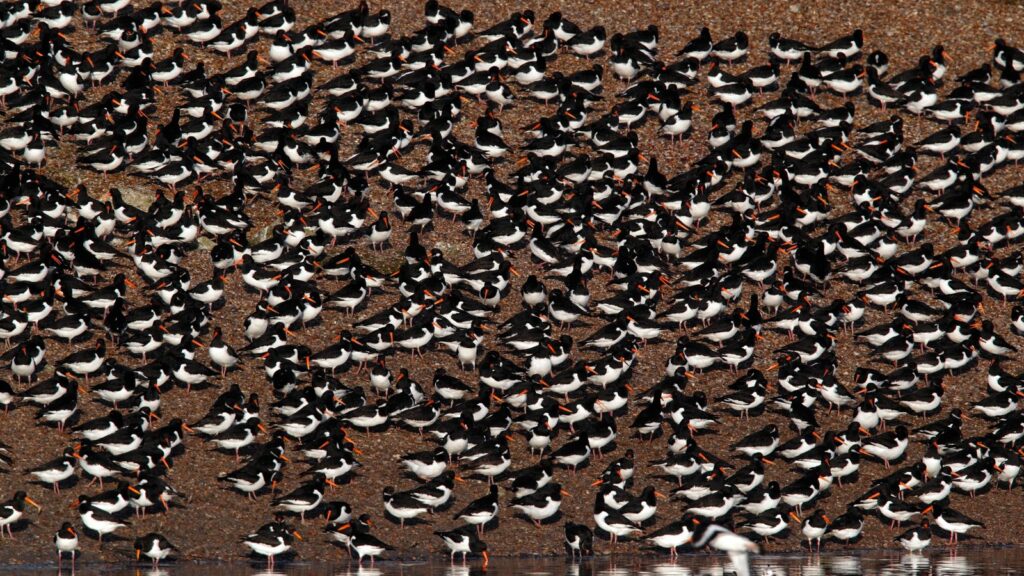
Snettisham: 71 years of visits and a hard look at the RSPB
David Whitby has known this stretch of the Norfolk coast since boyhood, and returns to weigh what the reserve has gained against what it has quietly lost
By David Whitby | 19 September 2026
Get the latest news delivered direct to your door
Subscribe to Shooting Times & Country
Discover the ultimate companion for fieldsports enthusiasts with Shooting Times & Country Magazine, the UK’s leading weekly publication that has been at the forefront of shooting culture since 1882. Subscribers gain access to expert tips, comprehensive gear reviews, seasonal advice and a vibrant community of like-minded shooters.
Save on shop price when you subscribe with weekly issues featuring in-depth articles on gundog training, exclusive member offers and access to the digital back issue library. A Shooting Times & Country subscription is more than a magazine, don’t just read about the countryside; immerse yourself in its most authoritative and engaging publication.