★ Your magazine. Your say. Complete our reader survey with a chance to win Jack Pyke kit worth £500! ★


Release pen management is cutting gamebird antibiotic use, says GWCT
Sector use is down 48 per cent since 2016 but rose again in 2024, and the GWCT says the gains left are in stocking density, habitat and pen infrastructure
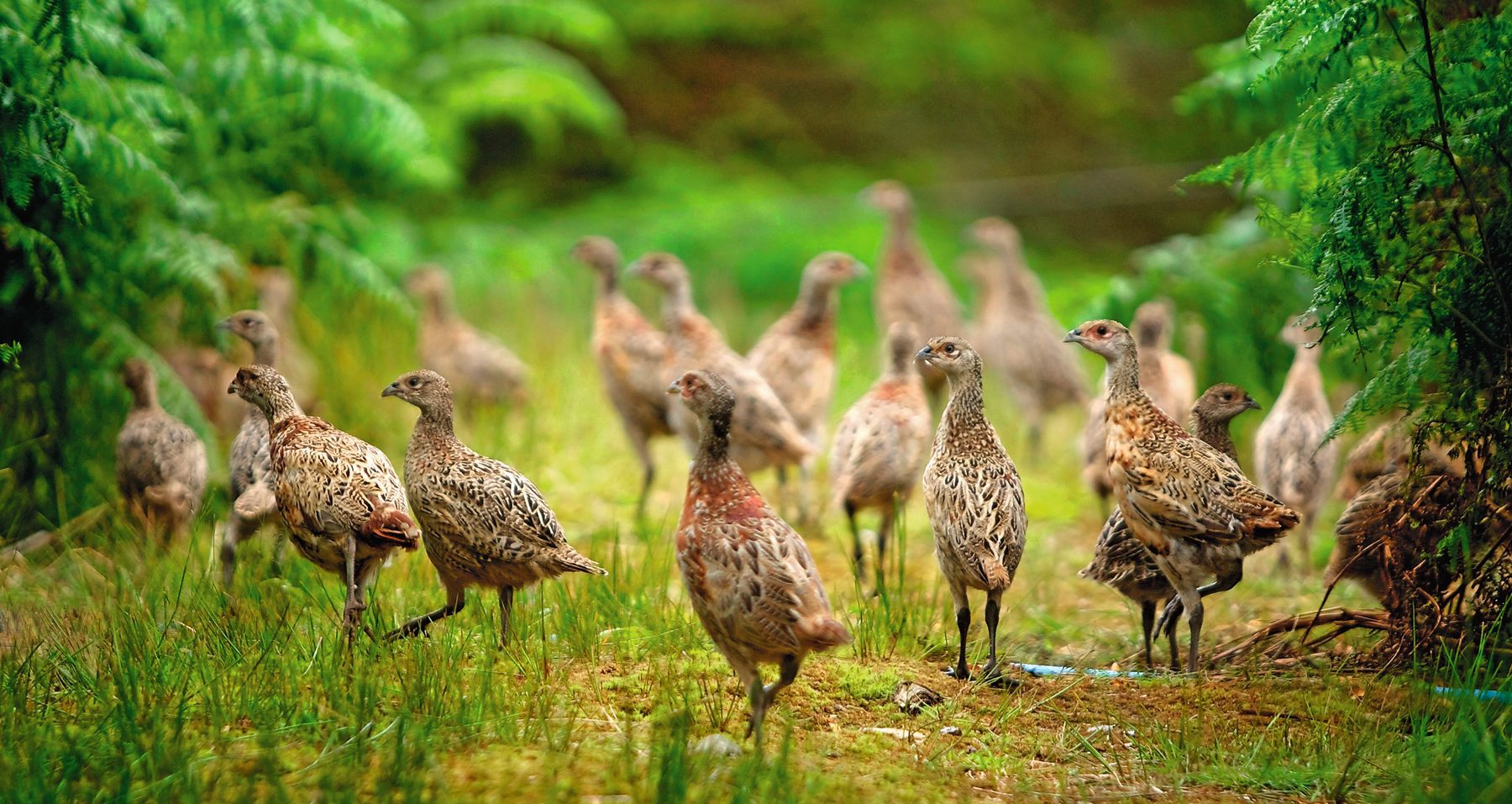

Gamebird antibiotic use is down 48 per cent on its 2016 baseline, but the reduction has stalled and the sector has missed its most recent target. The Game and Wildlife Conservation Trust says the remaining gains lie in release pen management, and has set out what has worked on the ground.
How far has gamebird antibiotic use actually fallen?
Gamebird usage figures were first collected by the Game Farmers’ Association (GFA) and published by the Veterinary Medicines Directorate (VMD) in its 2016 UK Veterinary Antibiotic Resistance and Sales Surveillance report, creating the baseline the industry is measured against.
The VMD’s most recent report puts 2024 usage at 10.3 tonnes of active ingredient, reported through the GFA and the British Veterinary Poultry Association gamebird subcommittee and covering around 90 per cent of the industry. That is a 48 per cent reduction on 2016, but also a 5 per cent rise on 2023, and the report notes the overall fall is mainly due to reductions between 2016 and 2018.
The rise means a target was missed. The GFA and BVPA told the VMD the increase “means that the gamebird sector has not met their target of reducing antibiotic use by 40 per cent between 2019 and 2024 to 6.24 tonnes”. The figures are not yet adjusted for birds reared, so the VMD cautions that trends should be read carefully.
Why does disease in a release pen start with stress?
Writing on the trust’s news blog, Alex Keeble, GWCT game and wildlife adviser for central England, said the pattern is predictable. Stress comes first, from adverse weather, poor habitat, excessive disturbance, predation pressure, overcrowding or competition for food and water. Stressed birds become more susceptible to disease, which brings increased predation and a general decline in performance.
“These problems can persist throughout the shooting season and may even carry over into subsequent years,” he wrote. Preventing disease, he argues, costs less than treating it: enlarging pens, adding feeders and drinkers and managing woodland are cheap set against medication bills and poor returns.
What stocking densities does the GWCT recommend?
The trust’s guidelines for sustainable gamebird releasing recommend no more than 1,000 pheasants per hectare of woodland release pen, the point at which GWCT studies show undesirable plants become prevalent. In sensitive woods, such as ancient semi-natural woodland, the maximum falls to 700 birds per hectare of pen.
Mr Keeble said experience with shoot managers, and at the trust’s Allerton Project demonstration shoot, shows holding to those densities delivers biodiversity gains alongside better husbandry and less need for antibiotics.
What did the North Wales shoot change?
The example the GWCT gives is a shoot that stuck to the stocking recommendations and rebuilt its cover. Woodland was thinned to a structure of roughly one-third open space, one-third low cover and one-third mid-storey suitable for roosting, with heavy thinning of larger pine and larch stands to bring ground flora back.
Some pens now take in adjacent fields sown with triticale, chicory and reed canary grass, giving poults shelter while letting sunlight through, and open areas within pens are planted with shrubby trees alongside game cover. Feeder and drinker numbers were increased, and water supplemented with multivitamins, electrolytes and acidity regulators.
What tools can a keeper use to score a pen?
Two are named. The pen scoring matrix, developed by veterinary practices with the Game Farmers’ Association and published by it in 2021, scores a release environment out of 40 and flags where it can be improved; BASC publishes the checklist for keepers, and its stocking criterion points straight back at the GWCT figures above.
The second is Trusted Game, launched in 2022 by specialist gamebird vets working with their gamekeeper and game farming clients. The audit-based scheme borrows from assurance systems in other agricultural industries and gives a shoot a way of demonstrating its health and welfare standards.
What happens next
The next set of figures will show whether 2024’s rise was a blip or a trend, and the missed target leaves the sector arguing its case for self-regulation from a weaker position than two years ago. Keepers planning next season’s release can read the GWCT’s guidelines for sustainable gamebird releasing in full on the trust’s website, and score their pens against the Game Farmers’ Association matrix before birds go in.
Frequently asked questions
How much has gamebird antibiotic use fallen?
By 48 per cent since 2016, according to the Veterinary Medicines Directorate’s latest surveillance report. Usage in 2024 was 10.3 tonnes of active ingredient, a 5 per cent rise on the year before, and most of the fall came between 2016 and 2018.
What stocking density does the GWCT recommend for a release pen?
No more than 1,000 pheasants per hectare of woodland release pen, falling to 700 birds per hectare in sensitive woodland such as ancient semi-natural woods.
What is the pen scoring matrix?
A scoring system for gamebird release pens developed by veterinary practices with the Game Farmers’ Association and published in 2021. It scores the pen out of 40 across criteria including stocking density, habitat and infrastructure, showing where it can be improved before birds arrive.
Related Articles
Highlight personal benefits for Defra: what shooting gives you is evidence
Conor O'Gorman urges the shooting community to submit personal evidence for Defra's game shooting review before the 1 November deadline, and shares the stories already coming in
By Conor O'Gorman | 22 September 2026

Saving ground-nesting birds should be a national priority, poll finds
More than 60% of British adults say preventing the extinction of curlew and lapwing should be a high national priority, but new polling for Ground Cry also finds most people cannot name the predators ...
By Shooting Times | 22 September 2026
Get the latest news delivered direct to your door
Subscribe to Shooting Times & Country
Discover the ultimate companion for fieldsports enthusiasts with Shooting Times & Country Magazine, the UK’s leading weekly publication that has been at the forefront of shooting culture since 1882. Subscribers gain access to expert tips, comprehensive gear reviews, seasonal advice and a vibrant community of like-minded shooters.
Save on shop price when you subscribe with weekly issues featuring in-depth articles on gundog training, exclusive member offers and access to the digital back issue library. A Shooting Times & Country subscription is more than a magazine, don’t just read about the countryside; immerse yourself in its most authoritative and engaging publication.