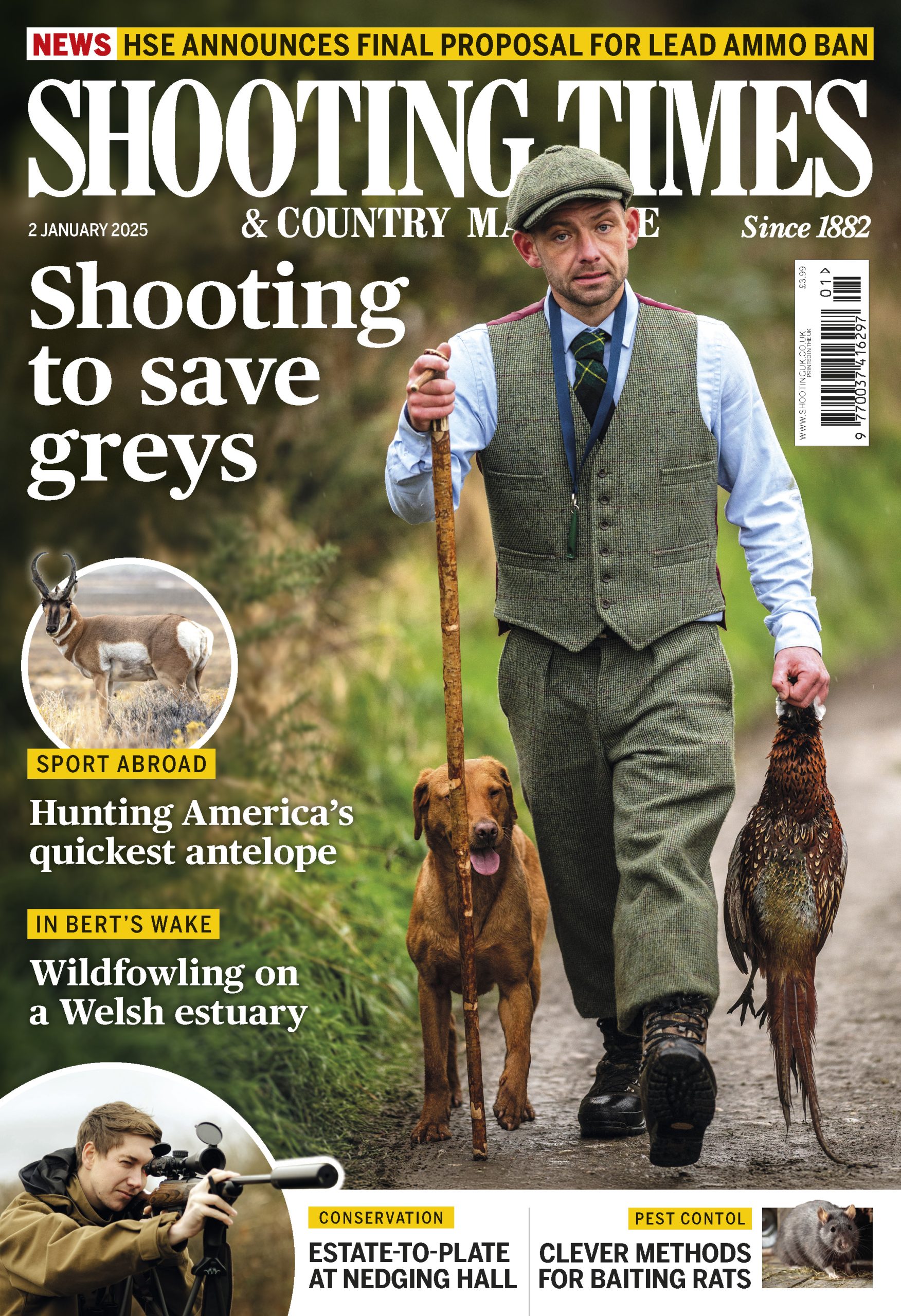
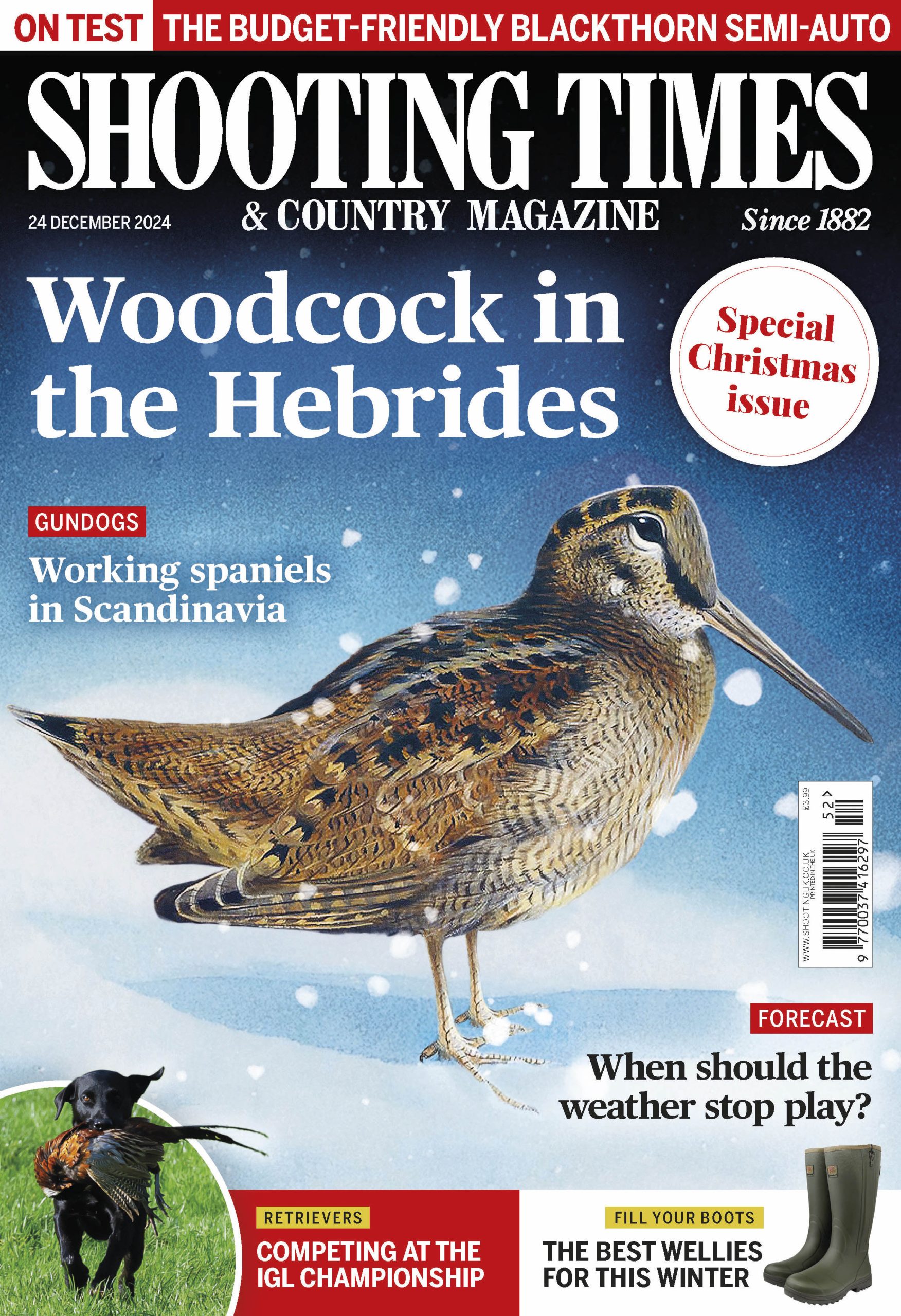
★ Your magazine. Your say. Complete our reader survey with a chance to win Jack Pyke kit worth £500! ★


September is more than just partridges
From midnight marshland vigils to vital conservation initiatives, a new wildfowling season opens following a record-breaking summer, writes BASC's James Green


It’s that time of year again – the wildfowling season is officially underway. For me there are a number of rituals that mark the opening of the season. Most years, I’ll spend the first day on the marsh, sometimes arriving at midnight to reminisce about seasons gone by, dogs no longer with us and the funny, odd and wonderful memories the marsh provides. There could be an early-season goose or resident mallard, but the best of the season is yet to come.
This year, the start of the season comes after an extraordinary summer. June was England’s warmest on record, with a mean temperature almost 3°C above average. The following month brought equally remarkable conditions: England and Wales experienced their driest July in 190 years, with drought affecting much of England. Our inland wetlands have struggled.
What the drought means for duck numbers
In the south-west of England, mallard numbers on my local estuary suggest a good breeding year, but first impressions can mislead. With inland ponds drying out, birds may simply be redistributing to the nearest available water. Reports from the east coast suggest good breeding conditions and brood numbers, though early indications point to lower duckling survival.
We will not know the full picture until the season progresses. For those heading to the coast, the prospect of a good start is there. What happens next will depend heavily on the weather. It never ceases to amaze me how quickly a parched marsh depression can become a magnet for birds after a downpour.
The heat, if it persists into the start of the season, does bring another responsibility: we need to look after the birds we harvest. A shot bird is food from the moment it is taken, so have a plan before you pull the trigger. Quarry spoils quickly in warm weather, and flies become an increasing risk. A cool box or bag with ice packs will help bring the temperature down fast. Once home, process the bird as soon as you can, and refrigerate it if you can’t process it immediately.
BASC’s work in the world of wildfowling
While we wait to see how the season unfolds, it is worth reflecting on what BASC has been doing in the world of wildfowling. We submitted a robust, evidence-led response to the quarry species consultation, and thank everyone who supported self-regulation and sustainable shooting and submitted responses. While we wait for feedback, it is important that anyone who harvests wildfowl, whether on the coast or inland, adheres to the recommendations in our sustainable shooting code.
We are continuing discussions with Natural England on a proportionate approach to wildfowling consents. BASC funded and jointly commissioned work for Natural England’s wildfowling evidence review, assessing peer-reviewed and grey literature, including an assessment of its relevance to the UK. The key now is to ensure this new evidence base is put to good use, informing a more proportionate approach.
Conservation and the BASC Wildlife Fund
The BASC Wildlife Fund remains important to securing wildfowling’s future, providing loans for land purchase and grants for conservation and research projects. This year’s stamp features wigeon on the Ribble Estuary, where wildfowling clubs are delivering real conservation benefits. Buying Wildlife Fund artwork, stamps and memorabilia, or donating, helps secure land and habitat for future generations.
For anyone considering wildfowling for the first time, the BASC permit scheme offers an excellent introduction, connecting newcomers with affiliated clubs and, in most cases, an experienced mentor.
Back to the start of the season. I’m looking forward to cold October mornings, with a stiff wind out of the north and a marsh alive with migratory wildfowl. As darkness gives way to first light, perhaps we will hear geese awakening from their night-time roosts, redshank calling, the curlew’s haunting note and, somewhere over the water, the unmistakable whistle of wigeon.
That is the wildfowler’s dawn chorus. Few things better explain why these wild places matter, and why their heritage runs so deep. Roll on winter and roast goose on the table.
James Green is a conservationist and head of wildfowl and wetlands at BASC.
Frequently asked questions
How should shot wildfowl be looked after in warm weather?
A shot bird is food from the moment it is taken, so have a plan before you pull the trigger. Quarry spoils quickly in the heat and flies become a risk: a cool box or bag with ice packs brings the temperature down fast, and the bird should be processed as soon as possible once home, or refrigerated until it can be.
How has the summer’s drought affected wildfowl?
June was England’s warmest on record and July the driest in 190 years for England and Wales, so inland wetlands have struggled. Good mallard numbers on some estuaries may reflect birds redistributing to the nearest available water rather than a strong breeding year, and early indications from the east coast point to lower duckling survival.
How can a newcomer get into wildfowling?
The BASC permit scheme offers an excellent introduction, connecting newcomers with affiliated wildfowling clubs and, in most cases, an experienced mentor.

About the author
James Green
A Somerset wildfowler and BASC’s head of wildfowl and wetlands, James leads the association’s work on the foreshore, from Natural England’s consenting regime to Defra’s British Bird Quarry Species Review, the first exercise of its kind in 40 years. He has led three years of engagement with Defra on it and briefed the All-Party Parliamentary Group for Shooting on the proposals, alongside work on BASC’s Sustainable Shooting Code of Practice, which is reviewed every three to five years so the sport can respond to new evidence rather than wait on government. He writes for Shooting Times, where he has argued that wildfowling must be visible to survive, and that self-regulation and evidence-led shooting are the price of that survival. He comes from a shooting family well known across the sport.
Related Articles

When waders were quarry: memories of a lost wildfowling era
From navigating unregulated foreshores to harvesting waders for pies, Alan Jarrett reflects fondly on a bygone era of wildfowling freedom
By Alan Jarrett | 4 September 2026

Shotgun shot sizes explained: what to use for clays, game and wildfowl
Bigger number, smaller pellet – and that is only where the confusion begins. A guide to what the numbers mean, what to load for clays, game and wildfowl, and how the switch away from lead changes ev...
By Selena Barr | 28 August 2026
Get the latest news delivered direct to your door
Subscribe to Shooting Times & Country
Discover the ultimate companion for fieldsports enthusiasts with Shooting Times & Country Magazine, the UK’s leading weekly publication that has been at the forefront of shooting culture since 1882. Subscribers gain access to expert tips, comprehensive gear reviews, seasonal advice and a vibrant community of like-minded shooters.
Save on shop price when you subscribe with weekly issues featuring in-depth articles on gundog training, exclusive member offers and access to the digital back issue library. A Shooting Times & Country subscription is more than a magazine, don’t just read about the countryside; immerse yourself in its most authoritative and engaging publication.