★ Your magazine. Your say. Complete our reader survey with a chance to win Jack Pyke kit worth £500! ★

HIKMICRO’s three-step stalking ecosystem tested on muntjac
Ed Jackson takes HIKMICRO's three-step detection, observation and shot ecosystem into the high seat after muntjac, to find out whether connected kit really earns its place on a stalk
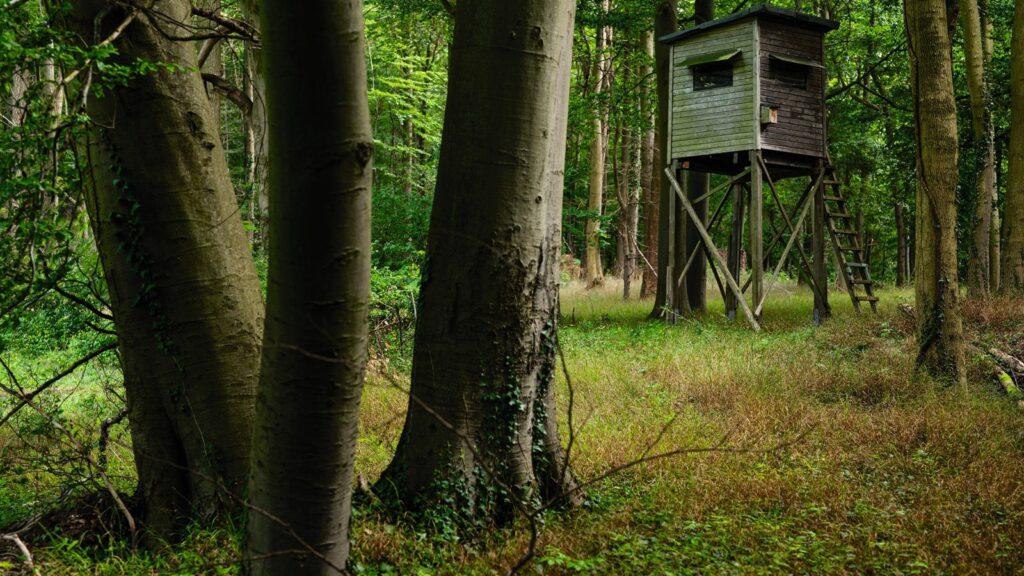
Muntjac are taken off this ground in numbers all year round, and the population climbs regardless, which is why the control never really stops.
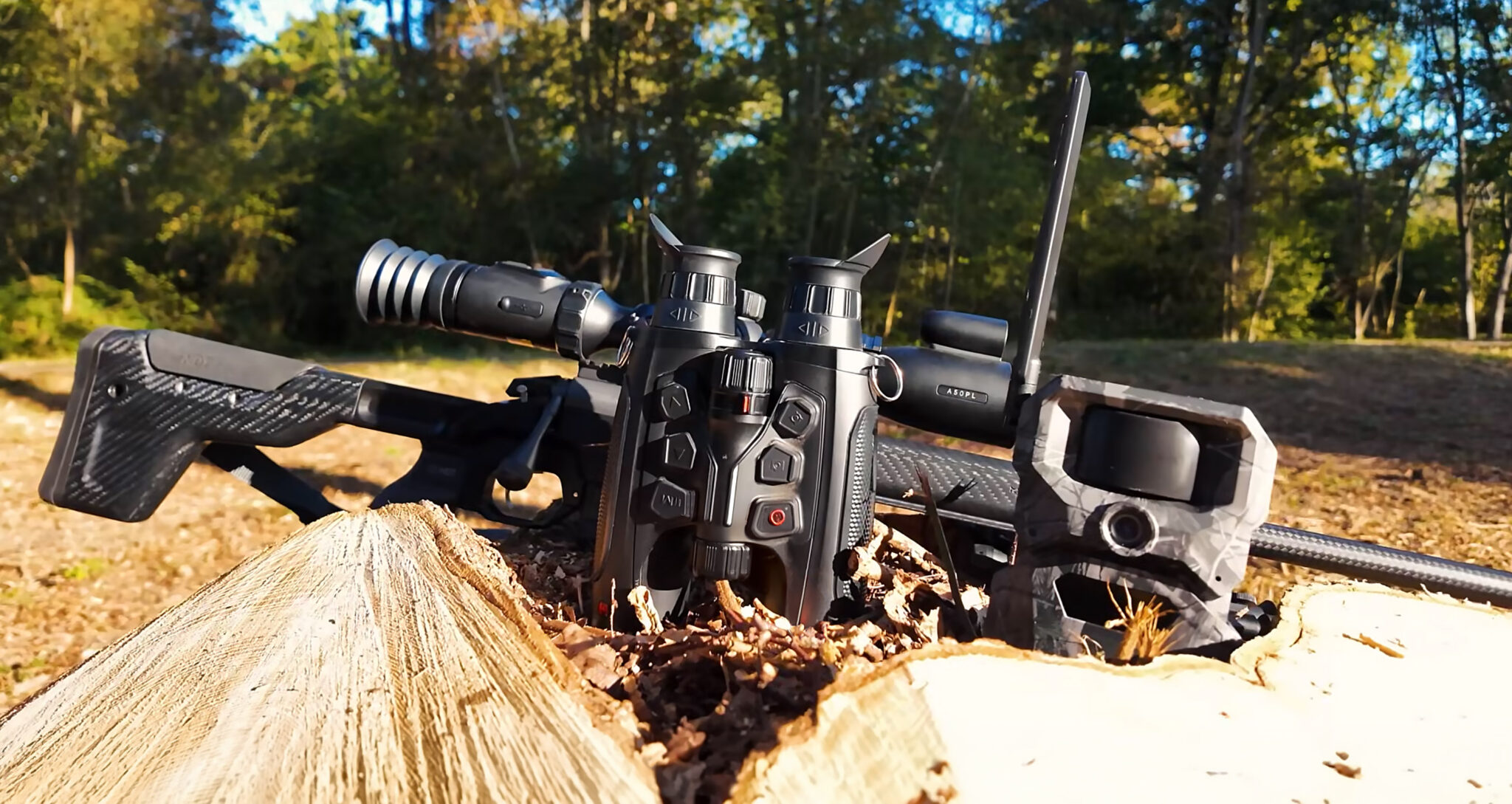
That is the setting for a fair question. Does a fully connected kit ecosystem genuinely improve your odds from the high seat, or does it simply get between you and the deer? Rather than carrying a bag of unrelated gadgets, Ed works through HIKMICRO’s system in the order a stalk actually happens: detection, observation, then taking the shot.
In practice that means patterning entry times with the new T16 trail camera before setting foot on the ground, picking deer out of the wood edge with the Habrok 4K 2.0 binoculars without swapping optics or breaking eye contact, and leaning on the Alpex Pro’s low-light performance in the last few minutes of legal light. Watch the full film below, with deer already moving out into the open and no time to waste.
What the three-step stalking ecosystem covers
A structured approach beats a hopeful wander, and each stage feeds the one after it:
- Detection – the T16 trail camera patterns deer movement over time without disturbing the ground, pushing images to the phone and mapping entry and exit times through the Hikzone interface in the HIKMICRO Sight app.
- Observation – the Habrok 4K 2.0 picks up heat in thermal mode, then switches to 4K digital to identify the beast, confirm the range and check the backdrop, without taking the binoculars from your face.
- Taking the shot – the Alpex Pro runs off the same app and the same interface logic as the Habrok, so the controls carry over, and adds a rangefinder and ballistic calculator behind a traditional scope layout.
The HIKMICRO kit used in the film
| Item | What it brings to the stalk |
|---|---|
| HIKMICRO T16 trail camera | Dual PIR sensors, a 60 or 100 degree field of view, 24-megapixel stills and 1080p video, with Wi-Fi setup and live view |
| HIKMICRO Habrok 4K 2.0 binoculars | Thermal detection, 4K digital identification and a laser rangefinder in one unit |
| HIKMICRO Alpex Pro | Day and night scope under 900g, with a built-in rangefinder, ballistic calculator and left-hand focus turret |
| HIKMICRO Sight app | Ties camera and scope into one place, with the map-based Hikzone interface for monitoring a permission remotely |
Watch more from The Shooting Show
Frequently asked questions
What is the HIKMICRO stalking ecosystem?
It is three products built to work together rather than as separate gadgets: the T16 trail camera for detection, the Habrok 4K 2.0 binoculars for observation, and the Alpex Pro scope for the shot. All three run through the HIKMICRO Sight app and share the same interface logic, so the controls carry over from one to the next.
Does a trail camera really help with deer management?
It does the homework for you. Left in place, a camera builds a picture of which deer are using a ride and when they move, without you walking the ground and disturbing it. That means the time you can actually spare for the high seat is spent when the deer are most likely to be out, rather than on guesswork.
What is a multispectrum binocular?
One unit that combines more than one way of seeing. The Habrok 4K 2.0 detects heat signatures in thermal mode, then switches to 4K digital so you can positively identify and assess the animal. Doing both through one device removes the movement of swapping between a thermal spotter and conventional binoculars, which is what gets you spotted.
Is there a close season for muntjac?
Muntjac breed all year round and have no statutory close season in England and Wales, which is why culling on ground like this is a year-round job. It remains an offence to take any deer whose dependent young may then be deprived, so does must still be assessed carefully before the shot. Check the current legislation before you stalk.
Why does low-light performance matter so much for stalking?
Deer move most at either end of the day, so the best chances often come in the final minutes of legal light, which in England and Wales runs to one hour after sunset. A scope that holds detail as the light goes is what lets you identify the beast and place the shot with confidence rather than lowering the rifle.

About the author
Ed Jackson
Group reviews editor for Time Well Spent Group and a former editor of Gun Mart, Ed reviews guns and optics for ShootingUK and is responsible for sourcing the newest products to test, often before anyone else has had hands on them. He works across rifles, shotguns, airguns and thermal and night optics, from the Bergara Premier CIMA Pro to the AirMaks Arms Krait MKII bullpup, and fronts much of the group's video output, including the First Shots series of first impressions and the stand-by-stand coverage from the British Shooting Show at the NEC. He also visits ranges, gun shops and training providers for the titles, and rounds up the best of the new kit each year from the show floor.
Related Articles
Stalking diary: three bucks on a humid evening in the Borders
The roe rut in the Scottish Borders is following the script at last, and Charlie Blance finds the heat and humidity have the bucks properly riled up. One misty, mizzly evening on the call accounts for...
By Charlie Blance | 8 September 2026
Stalking Diary: a woodland double in the roe rut
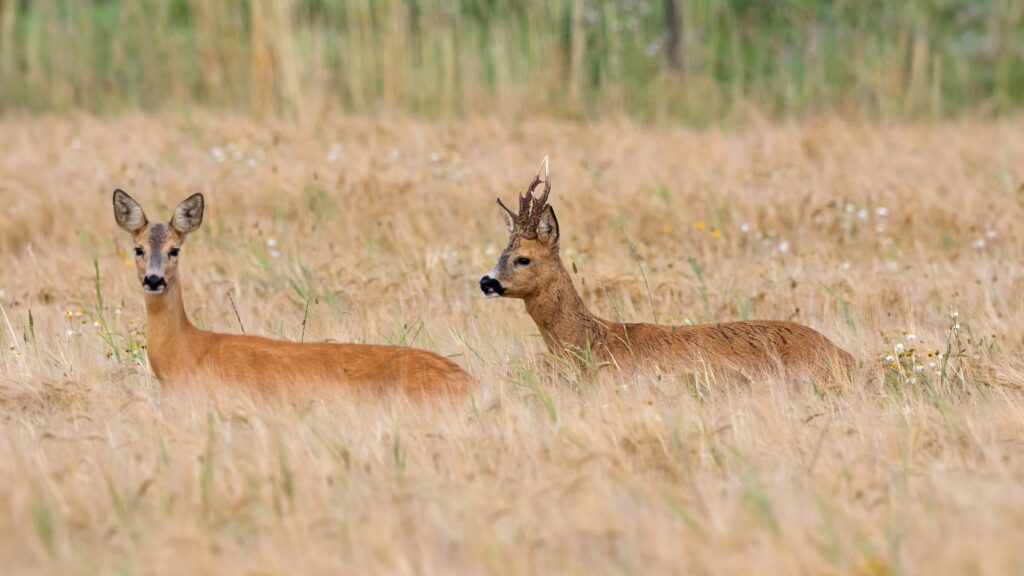
A young buck falls during a productive cull on the North York Moors, and the master of the wood comes swiftly in, looking for his rival, writes Al Gabriel
By Shooting Times | 4 September 2026
Get the latest news delivered direct to your door
Subscribe to Shooting Times & Country
Discover the ultimate companion for fieldsports enthusiasts with Shooting Times & Country Magazine, the UK’s leading weekly publication that has been at the forefront of shooting culture since 1882. Subscribers gain access to expert tips, comprehensive gear reviews, seasonal advice and a vibrant community of like-minded shooters.
Save on shop price when you subscribe with weekly issues featuring in-depth articles on gundog training, exclusive member offers and access to the digital back issue library. A Shooting Times & Country subscription is more than a magazine, don’t just read about the countryside; immerse yourself in its most authoritative and engaging publication.