★ Your magazine. Your say. Complete our reader survey with a chance to win Jack Pyke kit worth £500! ★


Stalking diary: an unseen roe rut and ground burned bare
Chris Rogers on a rut that never really got going in East Anglia, a maize harvest a month early and an estate waiting on rain before autumn
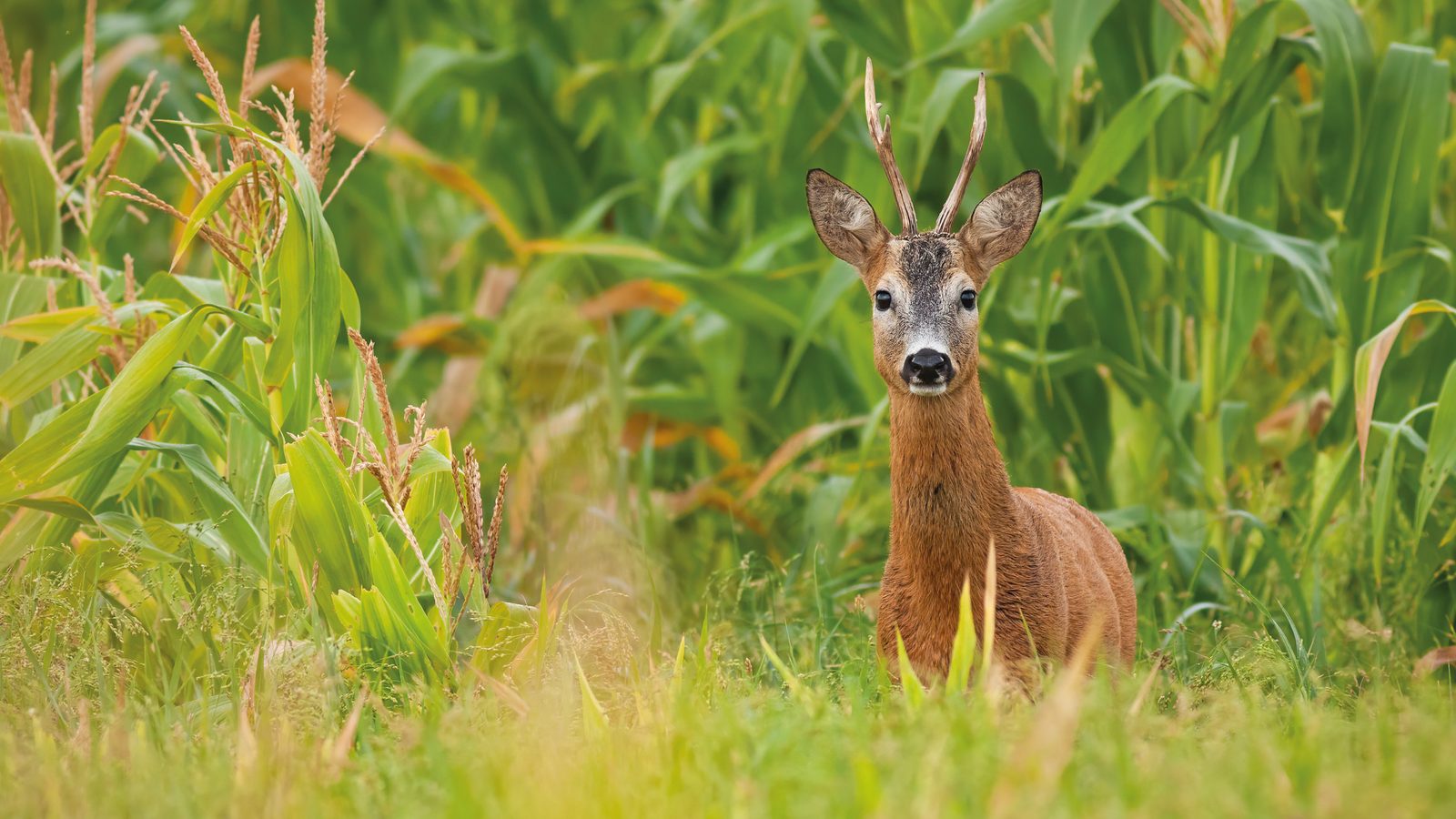
The 2026 roe rut never really got going in our part of East Anglia, as far as I can tell. But just because you don’t see the classic roe rutting activity doesn’t mean they haven’t bred. They will have been quietly going about their business through the night when it was slightly cooler, and I expect to see the usual number of kids next spring.
It is nice to be on the estate around the highlight periods of the various species’ ruts. But we don’t sell a huge number of bucks to visiting stalkers and, by August, the vast majority of the easy roebuck culling is already carried out. So we joined the masses and escaped the UK heatwave for the heat of the Balearics instead.
Why a week away matters in a game management job
While I tried to detox from my phone and work as much as I could, it was almost impossible to do because of the various WhatsApp groups we are all involved in. We had some extremely sad news come through from the estate while I was away, which was a reminder to make the most of family and the time we all have with them while we can. The older I get, the more I have started to come round to the mantra of work to live rather than the live-to-work mentality we all go into a job in game management with.
Game and wildlife jobs are definitely a way of life, with strange hours and elements of the role you become obsessive about. But if you are not careful these can quickly become all-consuming, to the point where you agonise over every little detail. Before you know it, you are constantly moaning to those around you about the details that affect you, while they try to reassure you that it will all be all right in the end.
Getting off an estate for a holiday rather than merely taking a few days off really can help you recharge and see things from a fresh perspective. But all too quickly the week away finishes and you are back into the regular revolving pattern of the role.
An early maize harvest and yields a third down
The estate harvest had been completed while we were still away. The bio-maize harvest was underway almost a month earlier than usual, due to the hot weather drying out the crop. Maize is harvested based on its moisture content for clamping as silage before being fed into the bio-digester. As with all crops this year, the yields will be down, and many of them must be at least one-third lower than the usual growing height.
Although the trees and some of the ground vegetation give the impression that there is something for the animals to eat, there really isn’t. Grass and edible weeds on the estate have either been burned off completely or reduced to crispy stems, which must have no appeal for the deer, let alone providing meaningful goodness.
Apart from a few fields of maize left to harvest that haven’t dried out yet, the only remaining vegetation for the deer, hares, rabbits and other animals to eat is hedgerow leaves, fruits and nuts, which are starting to drop due to the heat, or the sugar beet crops and the game cover maize, the last of which has been quite badly eaten by all of the above this year.
It has been an extreme year for all of us on the estate. Hopefully, some carefully placed mustard can fill in the gaps in the covers, and some long-awaited rain can fall soon to rejuvenate the ground before we go into autumn.
Stalking on the estate
For stalking opportunities, email eustondeerhunting@yahoo.co.uk.
Chris Rogers is a deer manager in East Anglia, a CIC head measurer and an NGO committee member.
Frequently asked questions
Does a quiet roe rut mean fewer kids next spring?
Not necessarily. Roe will rut quietly through the night when it is cooler, so an unseen rut does not mean the does have not bred. Chris Rogers expects the usual number of kids next spring.
Why was the bio-maize harvested a month early?
Because the hot weather dried the crop out. Maize for the bio-digester is cut on its moisture content, for clamping as silage, so a dry summer brings the harvest forward.
What is there for deer to eat in a drought year?
Very little. Grass and edible weeds on this estate were burned off or reduced to crispy stems, leaving hedgerow leaves, fruits and nuts, the sugar beet and the game cover maize, which the deer, hares and rabbits have eaten hard.

About the author
Chris Rogers
A Norfolk deer manager, Chris is responsible for the deer across the 6,000 hectares of the Euston Estate. He writes for Rifle Shooter and Shooting Times and produces a monthly video for Shooting & Country TV, and his subjects run from the rut - among them working an old roebuck with the doe call and the buck’s own bark - through to the year-round practicalities of managing deer at that scale.
Related Articles
It isn’t meant to be easy: stalking and fishing at Benmore Estate on Mull
Kirk Norbury heads for Benmore Estate on the Isle of Mull, where sideways rain and cloud-covered hills are half the attraction and make it unforgettable
By Kirk Norbury | 18 September 2026
Best gear for deer on the hill: eight pieces of hill stalking kit
Field-proven gear for hill stalking, balancing ultralight weight with unyielding durability when the weather and terrain turn brutal
By Shooting Times | 18 September 2026
Get the latest news delivered direct to your door
Subscribe to Shooting Times & Country
Discover the ultimate companion for fieldsports enthusiasts with Shooting Times & Country Magazine, the UK’s leading weekly publication that has been at the forefront of shooting culture since 1882. Subscribers gain access to expert tips, comprehensive gear reviews, seasonal advice and a vibrant community of like-minded shooters.
Save on shop price when you subscribe with weekly issues featuring in-depth articles on gundog training, exclusive member offers and access to the digital back issue library. A Shooting Times & Country subscription is more than a magazine, don’t just read about the countryside; immerse yourself in its most authoritative and engaging publication.