★ Your magazine. Your say. Complete our reader survey with a chance to win Jack Pyke kit worth £500! ★

Carcass to larder: field dressing, hygiene and the cold chain for selling deer into the food chain
Everything between the shot and the chiller decides whether a deer reaches the game dealer as a saleable product or a problem – a step-by-step guide to trained-person status, the elevated gralloch, transport, chilling and the larder log
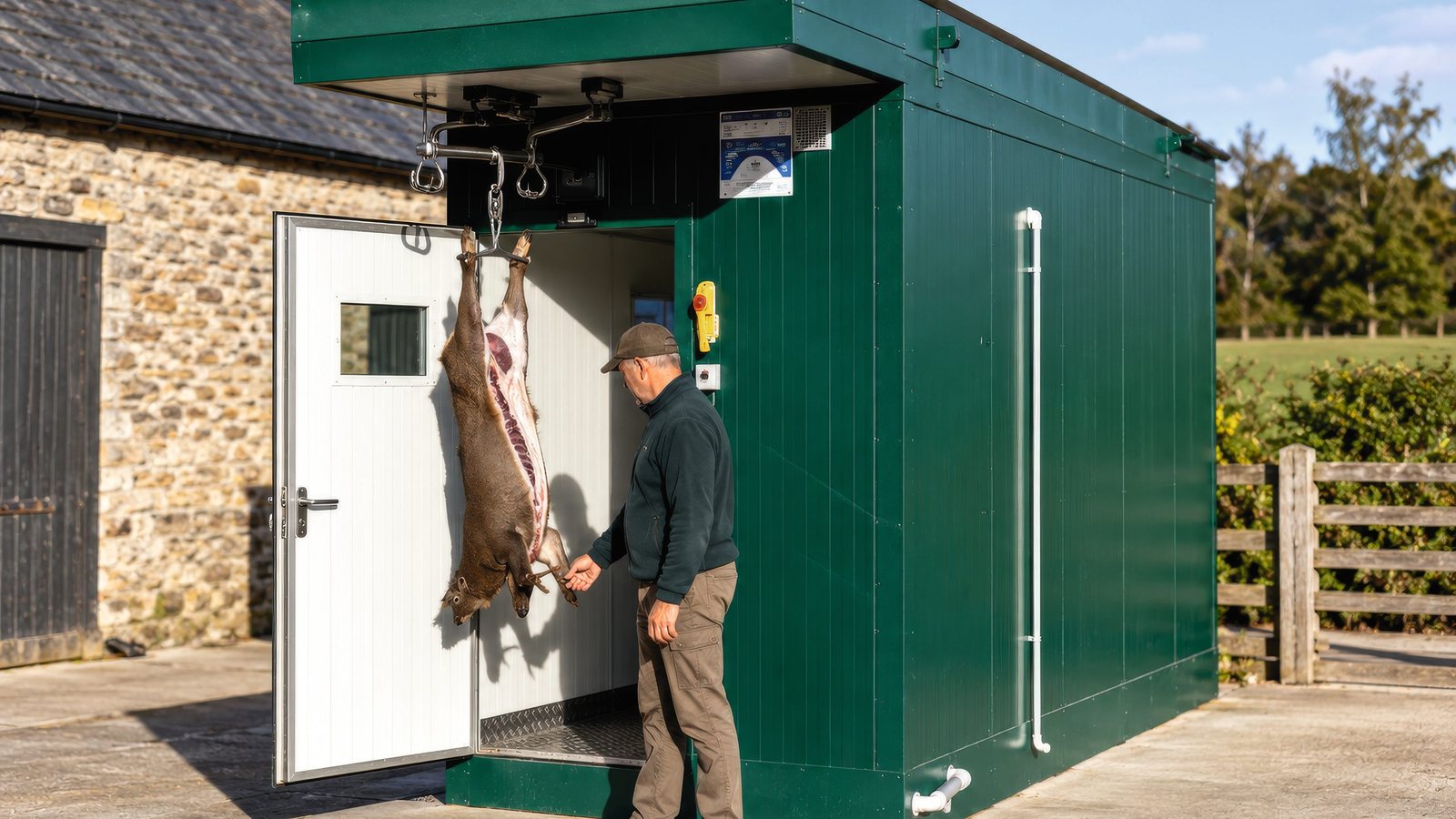

The moment a deer drops, the clock starts. Everything that happens between the shot and the chiller decides whether the carcass arrives at the game dealer as a saleable primary product or as a problem. The good news is that the process is not complicated. It is a sequence of simple, repeatable steps, and with the right kit most of them can be done in the field as cleanly as they would be in a purpose-built larder.
What does the law require to sell wild deer into the food chain?
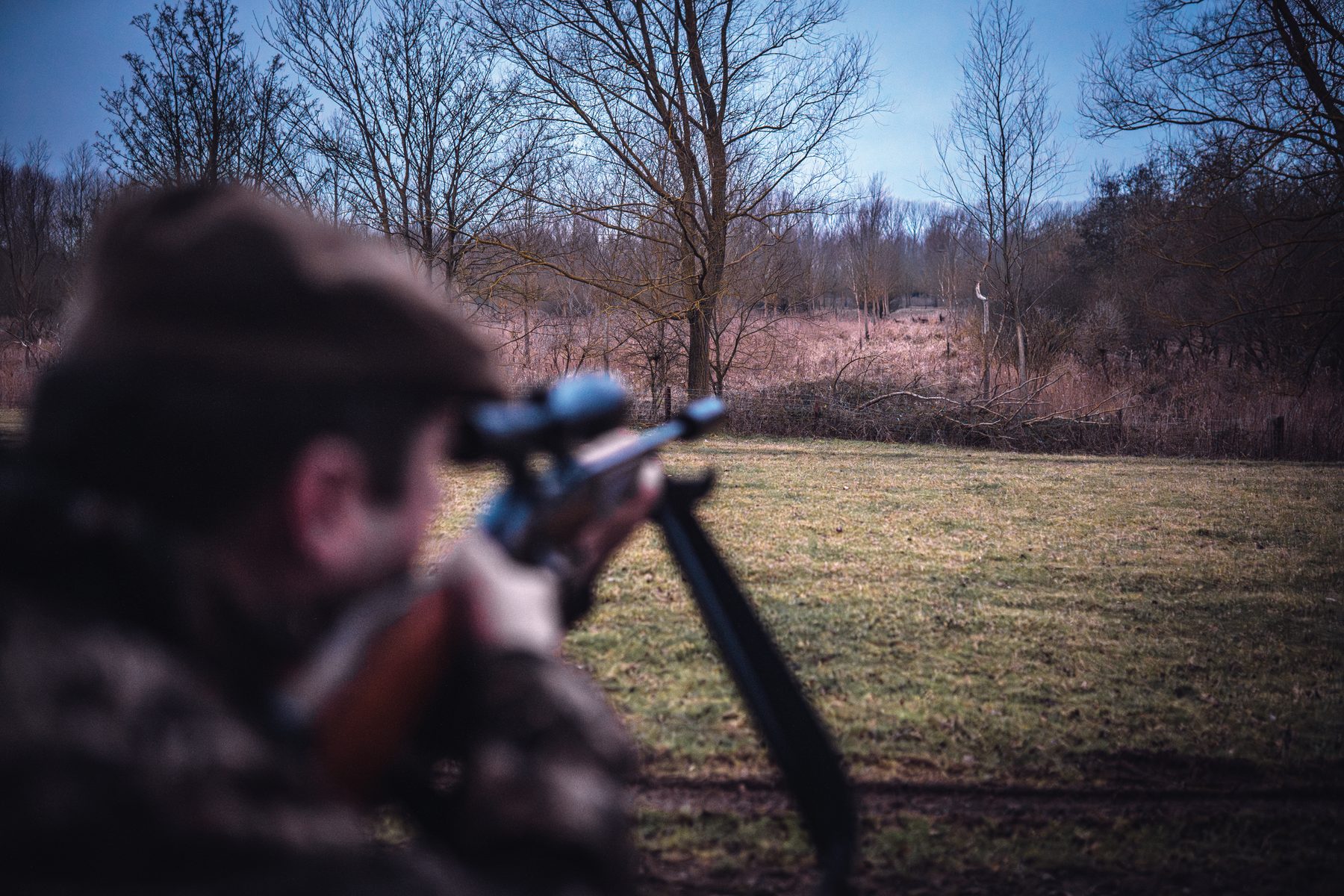
Start with the law, because it shapes everything else. Anyone shooting wild deer with a view to selling into the food chain is a primary producer under the food hygiene regulations, and once a carcass is destined for an approved game handling establishment – a commercial game dealer, in plain English – the exemptions that cover private consumption and small-scale local supply fall away.
You must be registered as a food business with your local authority, and at least one active member of the stalking party must hold ‘trained person’ status under Annex III, Section IV of assimilated Regulation (EC) No 853/2004. The Food Standards Agency’s Wild Game Guidance, revised in October 2024 and covering England, Wales and Northern Ireland, with Food Standards Scotland publishing its own equivalent, sets out what that means: the ability to examine the carcass and viscera for anything that suggests the meat may present a health risk, and to issue a numbered declaration recording the date, time and place of killing.
That tag is what links the beast to you, and no dealer will take a carcass without one. Trained-person status can come through DSC1, DSC2 or a stand-alone wild game meat hygiene qualification, but which certificate confers it has changed more than once, so check your certificate before assuming you are covered.
The elevated gralloch
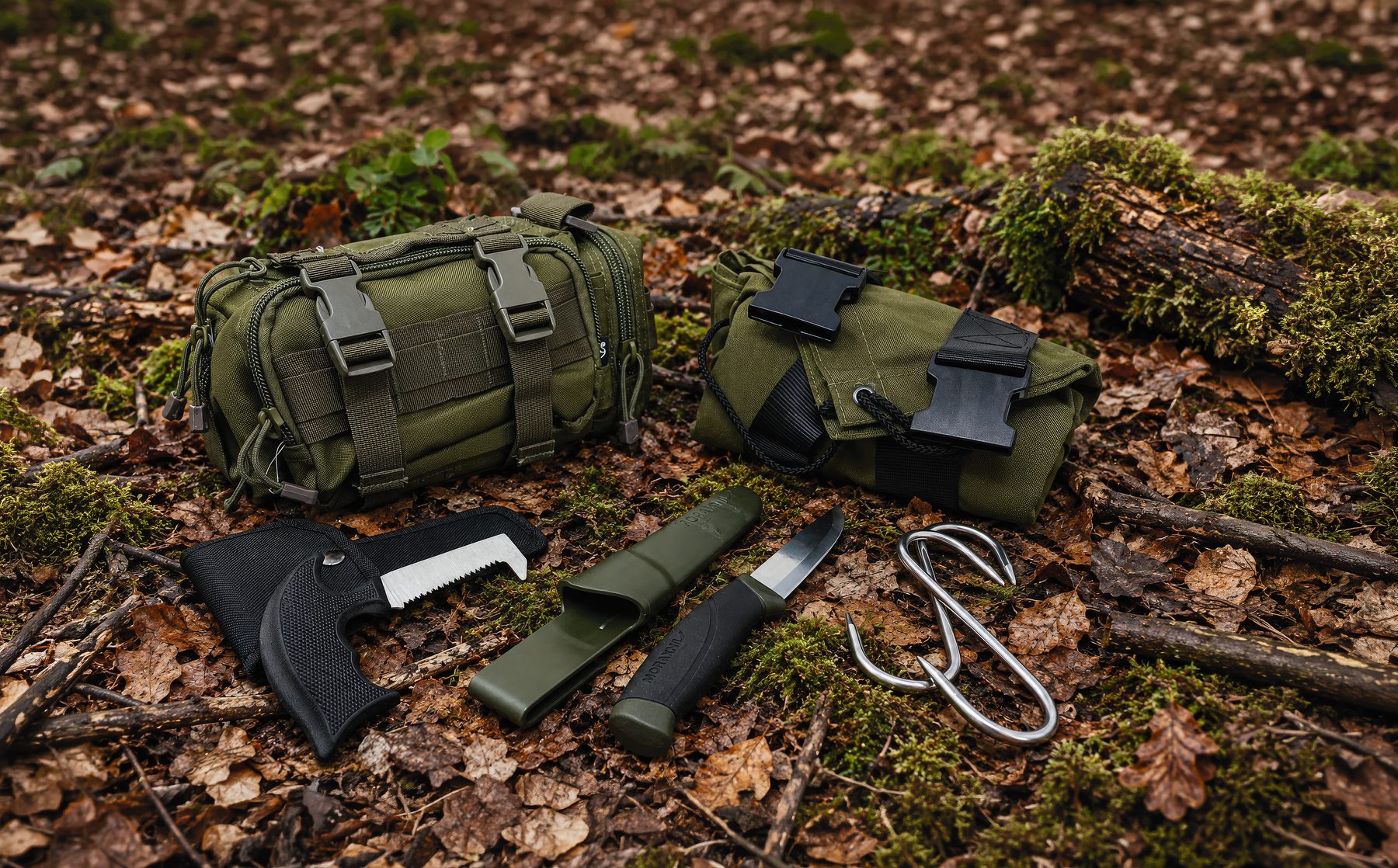
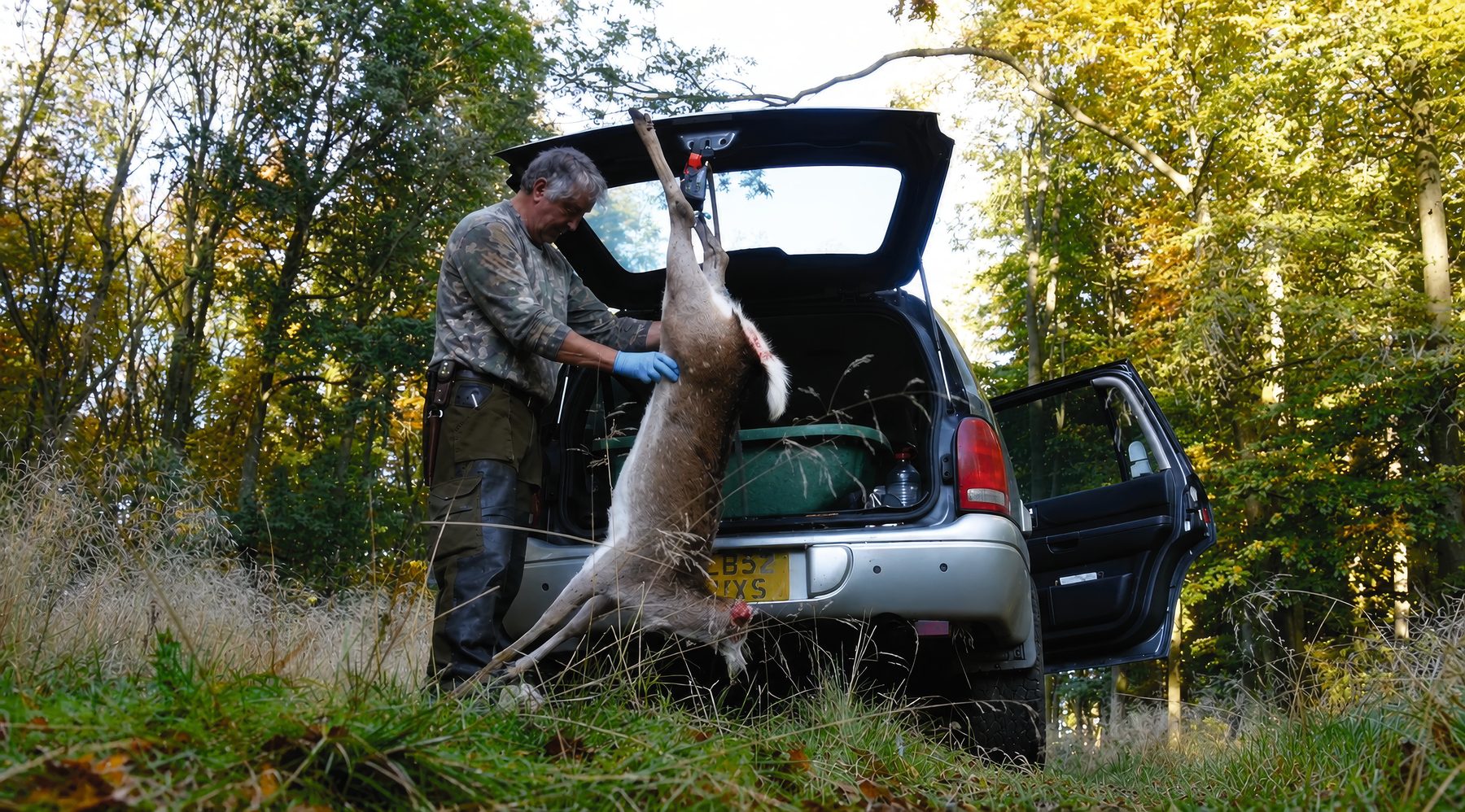
Step one in the field is the gralloch, and the guidance is unambiguous: the stomach and intestines must come out as soon as possible after killing. The old habit of rolling the beast on its back and working in the mud is giving way to the elevated gralloch, and for good reason. A suspended carcass drains cleanly, the body cavity never touches the ground, and the green offal falls away from the meat rather than across it. A compact ratchet hoist and gambrel rigged from a branch or a tree strap will lift a fallow or a sika single-handed, and the whole kit fits in a roe sack. For the solo stalker it is the biggest hygiene upgrade available.
Which knife should you use to gralloch a deer?
The knife matters less than how it is used. A short, rounded-tip blade or a dedicated gut hook opens the belly without nicking the paunch, and an anal canal tool frees the rectum in one clean plug before the pelvis is opened, which is where most contamination starts. Keep a second blade for the cleaner work of opening the chest, and sharpen in the field rather than pressing on with a dull edge, because a blunt knife slips and a slipped knife punctures gut.
Examining the carcass and the declaration
The examination follows immediately. Look at the carcass, look at the pluck and look at the green offal before you leave it, noting anything abnormal. If all is well, the head and viscera need not travel with the body; attach the declaration and move on. If something concerns you, the head (minus antlers) and all viscera except the stomach and intestines must accompany the carcass to the dealer, and the competent authority must be informed. For wild boar, the head and diaphragm travel regardless, for Trichinella testing.
Next comes water. Hands, knife and body cavity should be rinsed with potable water, not the nearest burn or puddle. A two-litre pouch hung from the hoist is enough for the field; a pressurised wash-down unit in the vehicle finishes the job back at the roadside.
Transporting carcasses safely
Transport is where good fieldwork is most often undone. Carcasses must not be heaped, piled or stacked, because those in the middle will not cool and those at the bottom will be contaminated by those above. Lay them on a clean, washable tray or liner, body cavity open and propped so air can circulate, and keep them away from dogs, fuel and muddy boots. On a long extraction from a remote beat, a rotomoulded cool box loaded with frozen gel packs will hold a roe or a small fallow below ambient for the hours it takes to reach the larder, and it rinses out afterwards with a hose.
What temperature must venison be chilled to?
Then the cold chain itself. Chilling must begin within a reasonable period after killing and bring the meat throughout to no more than 7°C without freezing it, and that temperature must be held during transport to the dealer; offal is held at 3°C. On a cold morning the air may do the work for you, and the guidance allows for that where conditions permit; on a mild September evening it will not. A plug-in game fridge at the vehicle or pick-up point closes the gap between the hill and the main larder, and a mobile chilled container on a trailer or hardstanding can turn a remote estate yard into a compliant collection point without laying a concrete floor.
Running the larder and keeping a log
The larder, whether a fixed building or a modular unit, must be ventilated or refrigerated with a record of temperatures kept, protected from pests and animals, supplied with potable water, and cleaned and disinfected between batches. Keep a simple written log: date and time of kill, tag number, species, weight, larder temperature on arrival and where the carcass went. That is the ‘one step forward, one step back’ traceability the regulations require, and it is also what the dealer’s own hazard analysis and critical control points (HACCP) plan will ask of you as a supplier.
None of this needs to be expensive, and most of it needs doing only once. Set the system up, buy the kit that fits the way you work, and the routine becomes automatic. The reward is a carcass that arrives clean, cold and documented, and a game dealer who takes your call.
Kit for getting deer from the field to the larder
Blades and dressing tools
| Brand | Product | Description | RRP |
|---|---|---|---|
| Casström | Swedish Field Dresser | Reversed-edge, rounded-tip gralloching knife | From £127 |
| Casström | Lars Fält Knife | Sleipner-steel full-tang camp knife | From £172 |
| Opinel | No 08 Horizon | Locking folder with built-in whistle | From £22 |
| Opinel | Néo 6 Opiflex | Non-locking, rounded-tip UK carry | From £27 |
| Gerber | Vital Pocket Folder | Replaceable-blade folding gut knife | £45 |
| Hunters Specialties | Butt Out 2 | Anal canal removal tool | £11.99 |
Field hoists and gambrels
| Brand | Product | Description | RRP |
|---|---|---|---|
| Napier of London | Apex Auto Lift | Self-retracting 200kg ratchet hoist | £70.99 |
| Napier of London | Apex Gambrel | Zinc-plated two-part steel gambrel | £14.54 |
| Deer Central | Value Gralloch Kit | Complete field gralloch and extraction kit | £109.93 |
| Deer Central | Deer Drag | Lightweight webbing carcass drag strap | £19.99 |
Hygiene and wash-down
| Brand | Product | Description | RRP |
|---|---|---|---|
| Napier of London | Apex Aqua Sac | Two-litre hanging field wash pouch | £16.46 |
| Mud Daddy | 5-litre Portable Washer | Pump-pressure warm water wash-down | £44.99 |
| Work Sharp | Guided Field Sharpener | Angle-guided diamond and ceramic sharpener | £37.99 |
Coolers and short-haul storage
| Brand | Product | Description | RRP |
|---|---|---|---|
| YETI | Tundra 45 | Rotomoulded, bear-resistant hard cooler | From £300 |
| The Cool Ice Box Company | Nomad 90L Cooler | Gel-pack cooler, no power needed | £219 |
Mobile and modular larders
| Brand | Product | Description | RRP |
|---|---|---|---|
| Landig (Tarrant Refrigeration) | LU9000 Game Fridge | Four-roe professional plug-in chiller | £2,595 |
| Landig (Tarrant Refrigeration) | Side-mounted Chiller Unit | Plug-in cold room cooling unit | From £1,995 |
| Fisher UK | Hunter Larder | Relocatable 2m x 2m deer larder | POA |
| Fisher UK | Estate Larder | Dual-room chiller and prep larder | POA |
| Game Cooling System UK | Daro Mini 2×1 | Mobile chilled container, five carcasses | POA |
Prices are RRP at the time of publication and may have changed.
Frequently asked questions
Do I need to be a trained person to sell deer to a game dealer?
Yes. At least one active member of the stalking party must hold trained-person status to examine the carcass and issue the numbered declaration, and you must be registered as a food business with your local authority. The status can come through DSC1, DSC2 or a stand-alone wild game meat hygiene qualification, so check your certificate.
What is an elevated gralloch?
An elevated gralloch is done with the carcass hung from a hoist and gambrel on a branch or tree strap rather than on the ground. It drains cleanly, keeps the body cavity off the ground and lets the green offal fall away from the meat.
What must travel with a deer carcass to the game dealer?
The trained person’s numbered declaration. If the examination raises a concern, the head (minus antlers) and all viscera except the stomach and intestines must go with the carcass and the competent authority must be informed. For wild boar, the head and diaphragm always travel, for Trichinella testing.
How should deer carcasses be transported?
Never heaped, piled or stacked. Lay them on a clean, washable tray or liner with the body cavity propped open so air circulates, away from dogs, fuel and muddy boots, and keep the meat at no more than 7°C on the way to the dealer.
 Closes 15 JanuaryWorth £129.90Win a pair of tickets to the British Shooting Show 2027Enter nowFree to enter
Related Articles
Stalking diary: a novice’s first stag at the height of the roar, and why the woodland rut seems so quiet
Chris Dalton takes a first-time stalker into a Galloway hill forest at the peak of the roar, and reflects on why red stags in woodland seem to say so much less than those on the open hill
By Chris Dalton | 4 November 2026
The copper revolution: what lead-free bullets really do at stalking ranges
Game processors want lead-free venison and the law now has a deadline. Selena Barr asks what copper really does at stalking ranges
By Selena Barr | 29 October 2026
Get the latest news delivered direct to your door
Subscribe to Shooting Times & Country
Discover the ultimate companion for fieldsports enthusiasts with Shooting Times & Country Magazine, the UK’s leading weekly publication that has been at the forefront of shooting culture since 1882. Subscribers gain access to expert tips, comprehensive gear reviews, seasonal advice and a vibrant community of like-minded shooters.
Save on shop price when you subscribe with weekly issues featuring in-depth articles on gundog training, exclusive member offers and access to the digital back issue library. A Shooting Times & Country subscription is more than a magazine, don’t just read about the countryside; immerse yourself in its most authoritative and engaging publication.

