
Gamekeeper: why head shots are the wrong answer, and how to process venison at home
Falling carcass prices are encouraging risky head shots, says David Whitby, but there is a better way – and it ends with a freezer full of venison

Years ago I discussed bullet placement with the late Fred Courtier, a wonderful man with a wealth of knowledge. I rarely, if ever, took head shots in the wild, but favoured the high neck when conditions were right – and still do, with a rest and at an acceptable range.
My reasons were no death run, particularly important with sika in dense cover, no need for a broadside and less meat damage. On that last point, Fred observed that a neck shot loses far more meat than the two ribs of a perfect shot in the engine room.
I have head-shot thousands of park deer; when it goes wrong, as it inevitably will, the beast is enclosed and will be found. Not so the jaw-shot deer in the wild.
From vermin to a protected quarry
Before the Deer Act 1963, deer in England and Wales had no close season and no restrictions on how they were killed; they were treated as little more than vermin. The law brought sensible minimum calibres and close seasons, and training evolved from the old woodland and advanced stalker courses to Deer Stalking Certificate Levels 1 and 2, with the emphasis on safety, welfare and sound management.
So it is with huge disappointment that I now witness a complete turnaround. Falling carcass value has brought a parallel decline in respect for the quarry. Game dealers that insist on, or reward, head-shot animals have made commonplace a shot once condemned as too risky in the wild. Inevitably, some animals are enduring the lingering death of a broken jaw, all for extra revenue. It is shameful.
How to process venison at home without a chiller
A partial answer for the weekend stalker taking small numbers is to process at home: fill the freezer, swap a joint for a bottle of wine with a neighbour or give venison to grateful friends and family. This is the method I have used for many years in Ireland, where I have no cold room, to overcome the problems of summer and autumn culling.
- Step 1. Choose the right time of year for the species, sex and age. I shoot sika stags pre-rut, in August and September, when they carry plenty of subdermal and kidney fat – essential for hanging without a chiller and for cooking. During the rut they lose condition, becoming tougher and taking on a strong smell that carries into the meat. My hinds are mostly taken in February and early March. I also save the caul fat, which, washed and wrapped around joints or burgers, adds flavour and keeps meat moist.
- Step 2. Bleed the deer thoroughly, pumping the ribcage to remove as much blood as possible – blood-filled veins and arteries turn bad quickly in warm weather. I leave the head, pluck, gralloch and lower legs at the shot site and pass my tow rope through the neck, as it is easier to drag with the lie of the coat. After the drag, cut between the back legs and saw through the pelvis to release heat and blood.
- Step 3. At home, skin the deer as soon as possible; it is easier when fresh and makes the next stage more effective. Remove the flanks and spread the haunches and ribs as wide as possible to aid cooling.
- Step 4. Mix 2kg of plain flour with about 90g of ground pepper and smother the carcass, working it into every nook and cranny, especially bloody areas. Hang the deer and reapply to any seepage. Set a fan facing the carcass. No insects will go near it. Leave it for 12 to 24 hours for the meat to firm.
- Step 5. Break the carcass into joints, trimming as you go – it is a real bonus not to wash the meat but to cook it with its peppered-flour ‘pastry’. Rub more pepper flour into every cut, hang the joints before the fan, and inspect and re-flour as required. Depending on heat and humidity, the meat will stay fly-free and good for days before being cut into steaks.
Steaks, joints, dice and mince
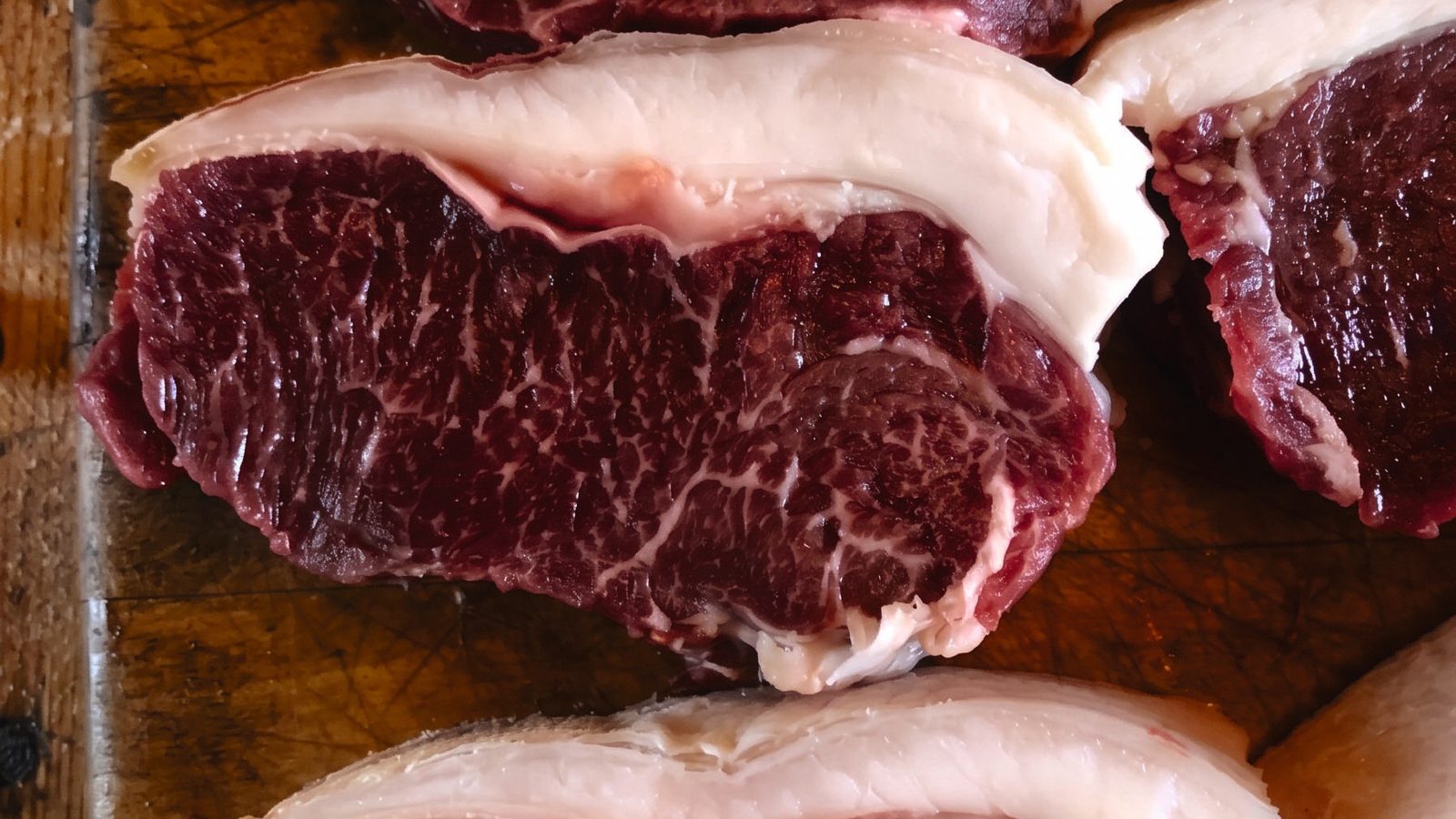
Haunches become steaks, small joints, dice and mince. Shoulders are minced, diced or roasted slowly in a foil-sealed tray with water in the bottom until the meat falls off the bone. Saddles and fillets are steaked; neck and flank trimmings minced.
If you follow one piece of advice, make it a peppercorn sauce mix. I use Erin or Knorr powder and season every joint and steak liberally. It takes the meat to another level, giving great pan gravy and a wonderful crust. I now use it on all meat, including gamebirds.
David Whitby has 46 years’ experience in deer management and gamekeeping.
Frequently asked questions
Can you hang venison without a chiller?
David Whitby skins the deer as soon as possible, smothers the carcass in a mix of 2kg plain flour and about 90g ground pepper, hangs it in front of a fan and leaves it for 12 to 24 hours for the meat to firm, re-flouring any seepage.
When should sika stags be shot for the best venison?
Before the rut, in August and September, when they carry plenty of subdermal and kidney fat. During the rut they lose condition, become tougher and take on a strong smell that carries into the meat.
About the author
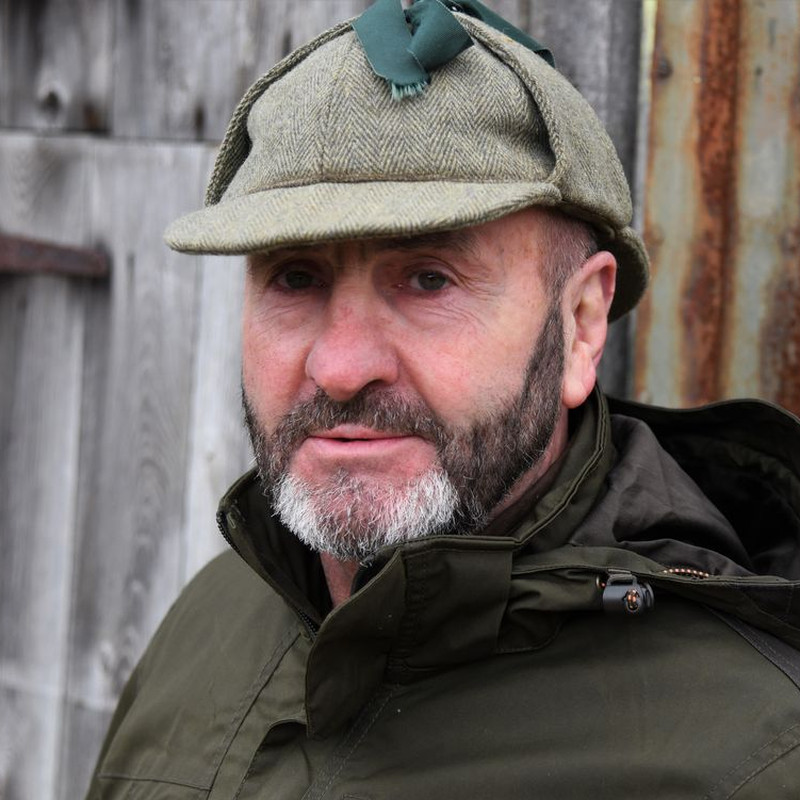
David Whitby
A gundog writer and photographer for Shooting Times, David wrote on training and the working dog's year between 2009 and 2024.
 Closes 15 JanuaryWorth £129.90Win a pair of tickets to the British Shooting Show 2027Enter nowFree to enter
Related Articles

Carcass to larder: field dressing, hygiene and the cold chain for selling deer into the food chain
Everything between the shot and the chiller decides whether a deer reaches the game dealer as a saleable product or a problem – a step-by-step guide to trained-person status, the elevated gralloch, tr...
By Shooting Times | 4 November 2026
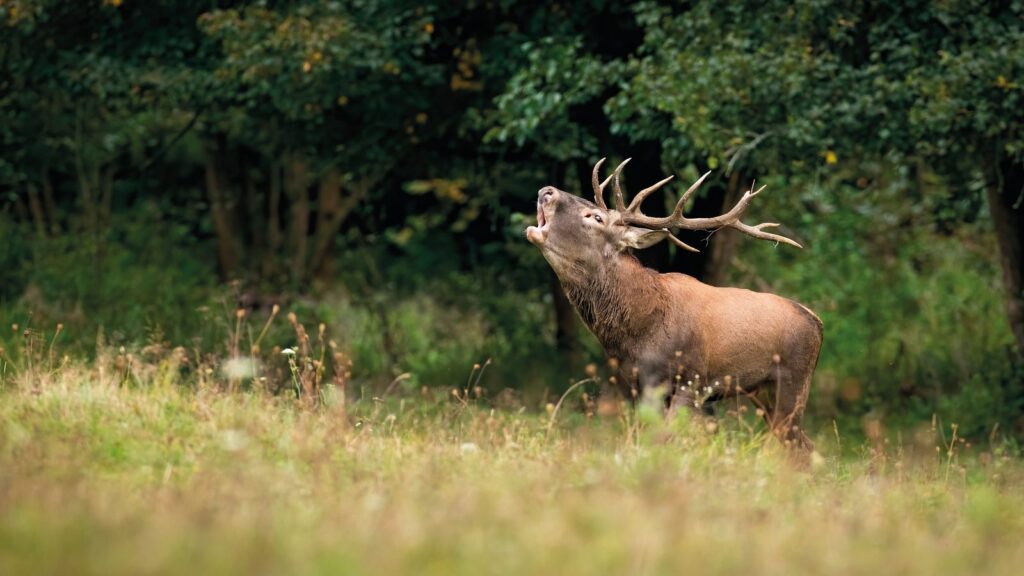
Stalking diary: a novice’s first stag at the height of the roar, and why the woodland rut seems so quiet
Chris Dalton takes a first-time stalker into a Galloway hill forest at the peak of the roar, and reflects on why red stags in woodland seem to say so much less than those on the open hill
By Chris Dalton | 4 November 2026
Get the latest news delivered direct to your door
Subscribe to Shooting Times & Country
Discover the ultimate companion for fieldsports enthusiasts with Shooting Times & Country Magazine, the UK’s leading weekly publication that has been at the forefront of shooting culture since 1882. Subscribers gain access to expert tips, comprehensive gear reviews, seasonal advice and a vibrant community of like-minded shooters.
Save on shop price when you subscribe with weekly issues featuring in-depth articles on gundog training, exclusive member offers and access to the digital back issue library. A Shooting Times & Country subscription is more than a magazine, don’t just read about the countryside; immerse yourself in its most authoritative and engaging publication.