
RSPB renews licensing call as 13 hen harriers fledge at Geltsdale
Feeding under licence helped three nests rear 13 young at Geltsdale, and the RSPB has tied the result to its shoot licensing push
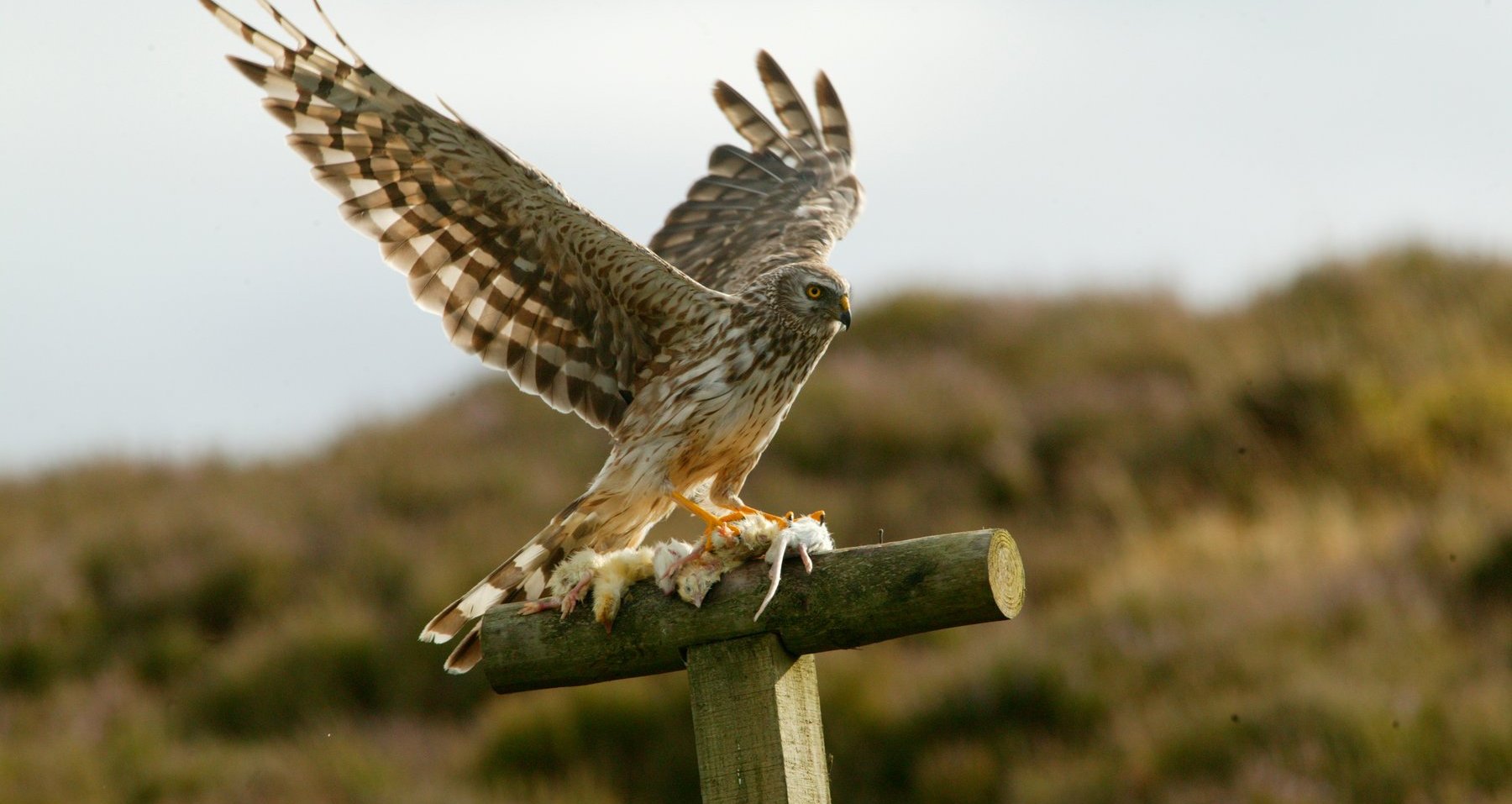

Thirteen hen harrier chicks fledged from three nests at RSPB Geltsdale in the north Pennines this summer, the most the Cumbrian reserve has recorded in more than a century and up from a previous best of eight in 2024. Staff and volunteers watched the nests around the clock and ran diversionary feeding stations under licence from Natural England, a measure the RSPB says was designed to cut the risk of the adults taking grouse on neighbouring shooting estates.
How did Geltsdale get 13 harriers away?
The reserve lies on the north Pennine moorland edge near Brampton, east of Carlisle, with managed grouse ground on its boundaries. Ian Ryding, reserve manager at RSPB Geltsdale, said the result came from supporting both parents at each nest through the breeding season.
“By supporting both parents we have seen three nests thrive and 13 chicks fledge, the most for at least a century in this part of the world,” he said. “We hope to see these chicks return in future years to raise their own families.”
Several of the young birds have been fitted with satellite tags so their movements can be followed once they leave the reserve. Diversionary feeding, which offers the adults an easy food supply close to the nest, is the same tool the Langholm Moor Demonstration Project used to reduce harrier predation on grouse, and the sector has long argued it should be part of any settlement between harriers and driven grouse.
The licensing call behind the celebration
The RSPB used the announcement to renew its call for a licensing system for gamebird shooting across the UK, pointing to the grouse moor licences NatureScot has issued in Scotland under the Wildlife Management and Muirburn (Scotland) Act 2024. The charity argues such a scheme would be a proportionate and cost-effective way of deterring wildlife crime.
Mr Ryding said: “Even as we celebrate this amazing success that should be giving us hope for the future of a Red-listed species there is the evidence that some of these birds will be targeted on grouse moors.” He added that for the chicks to return and breed, “we will need to see more done to stop the illegal killing of these special birds”.
The position dates from the RSPB’s 2020 review of gamebird shooting, which called for licences for driven grouse shooting with minimum environmental standards, and said the charity would review its stance within five years and call for a ban on driven grouse shooting if reform failed. In England the live vehicle is Defra’s call for evidence on gamebird rearing, release and shooting, launched on 4 September and open until 1 November, which the Countryside Alliance lists among the policies it wants the Government to drop.
What do the national figures say?
England had no successful hen harrier nests in 2013. Natural England recorded 54 nests and 141 chicks in 2023, then 34 nesting attempts with 25 successful in 2024 and 39 attempts with 33 successful in 2025. Bowland fledged 36 young this summer after a record 40 in 2025, and the regulator concluded its brood management trial in 2025.
The RSPB says the two male harriers that vanished from Geltsdale nests within days of each other in May 2025 show why it wants regulation, while moorland owners point to the growth in English nests through the brood management years, most of it on managed grouse moors, as evidence the two can coexist. Government estimates cited by the RSPB say England’s uplands could support at least 300 pairs.
What happens next
The tagged Geltsdale chicks will be tracked through their first winter, when young harriers disperse widely across the north of England and beyond. The RSPB will put its licensing case to Defra’s call for evidence, which closes on 1 November 2026, and shooting organisations are preparing their own submissions. Natural England normally publishes its national figures for the season in the autumn.
Frequently asked questions
How many hen harriers fledged at RSPB Geltsdale in 2026?
Thirteen chicks from three nests, the most recorded on the reserve in more than a century and up from eight in 2024.
What is diversionary feeding of hen harriers?
Providing an easy food supply close to a harrier nest, under licence, so that the adults take fewer grouse chicks. It was used at Langholm and is now used by the RSPB at Geltsdale.
Is grouse shooting licensed in England?
No. Scotland introduced grouse moor licences under the Wildlife Management and Muirburn (Scotland) Act 2024. In England, Defra’s call for evidence on gamebird rearing, release and shooting closes on 1 November 2026.
 Closes 15 JanuaryWorth £129.90Win a pair of tickets to the British Shooting Show 2027Enter nowFree to enter
Related Articles
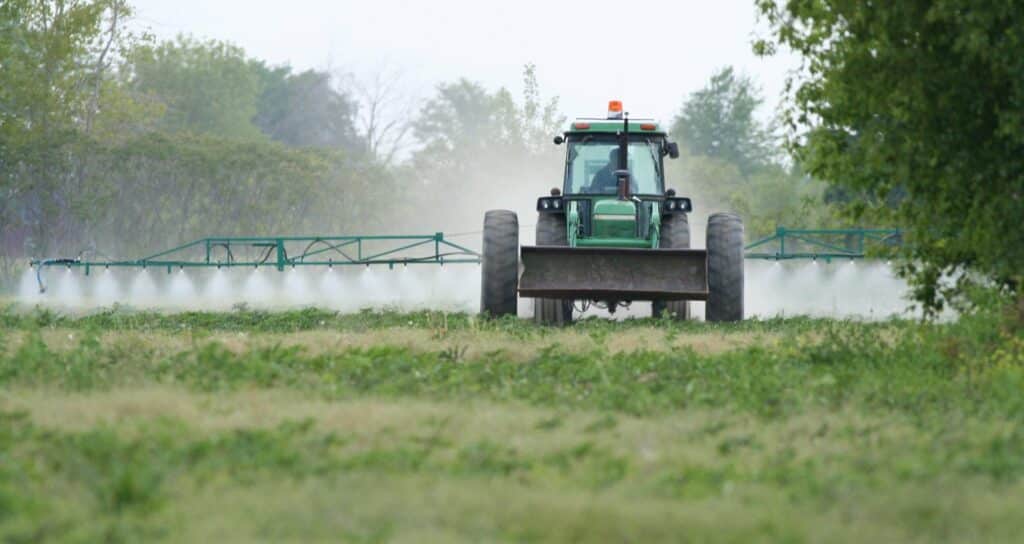
Tribunal ruling opens farmers' pesticide records to public requests
The General Regulatory Chamber has ruled that the spray records farmers must keep are held on the Health and Safety Executive's behalf and can be requested by the public, after a case brought to a hea...
By News Desk | 9 November 2026
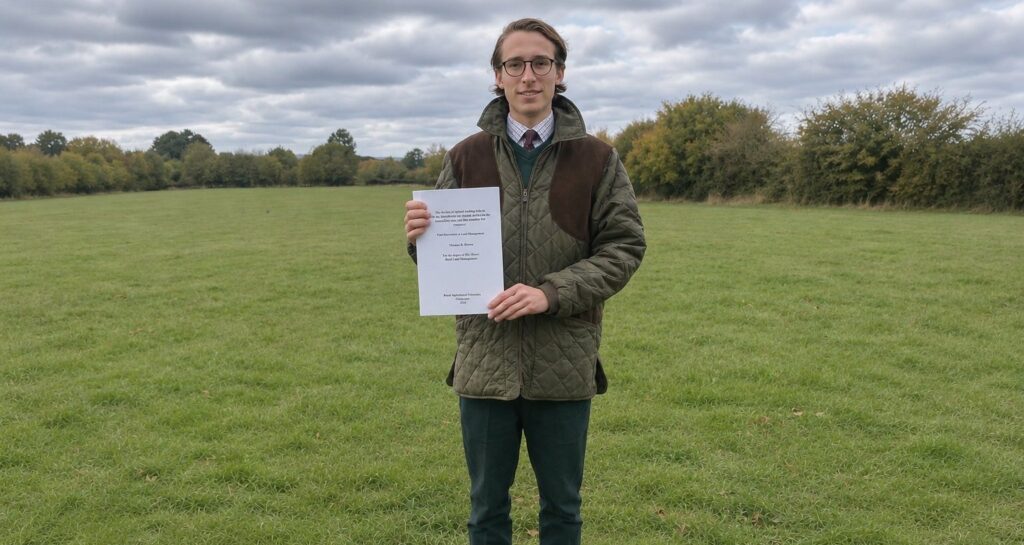
Game shooting can be justified, student, 17, tells Government review
Felix Hodgkinson-Last weighed both sides of the argument for his A-level project, concluded the sport can be justified, and filed it as evidence
By News Desk | 5 November 2026
Get the latest news delivered direct to your door
Subscribe to Shooting Times & Country
Discover the ultimate companion for fieldsports enthusiasts with Shooting Times & Country Magazine, the UK’s leading weekly publication that has been at the forefront of shooting culture since 1882. Subscribers gain access to expert tips, comprehensive gear reviews, seasonal advice and a vibrant community of like-minded shooters.
Save on shop price when you subscribe with weekly issues featuring in-depth articles on gundog training, exclusive member offers and access to the digital back issue library. A Shooting Times & Country subscription is more than a magazine, don’t just read about the countryside; immerse yourself in its most authoritative and engaging publication.

