

Moorland Association opens draft Defra gamebird response to members
Members have until 16 October to correct or add to the draft, with a Zoom briefing on 30 September and two guides for estates and beaters on submitting their own evidence
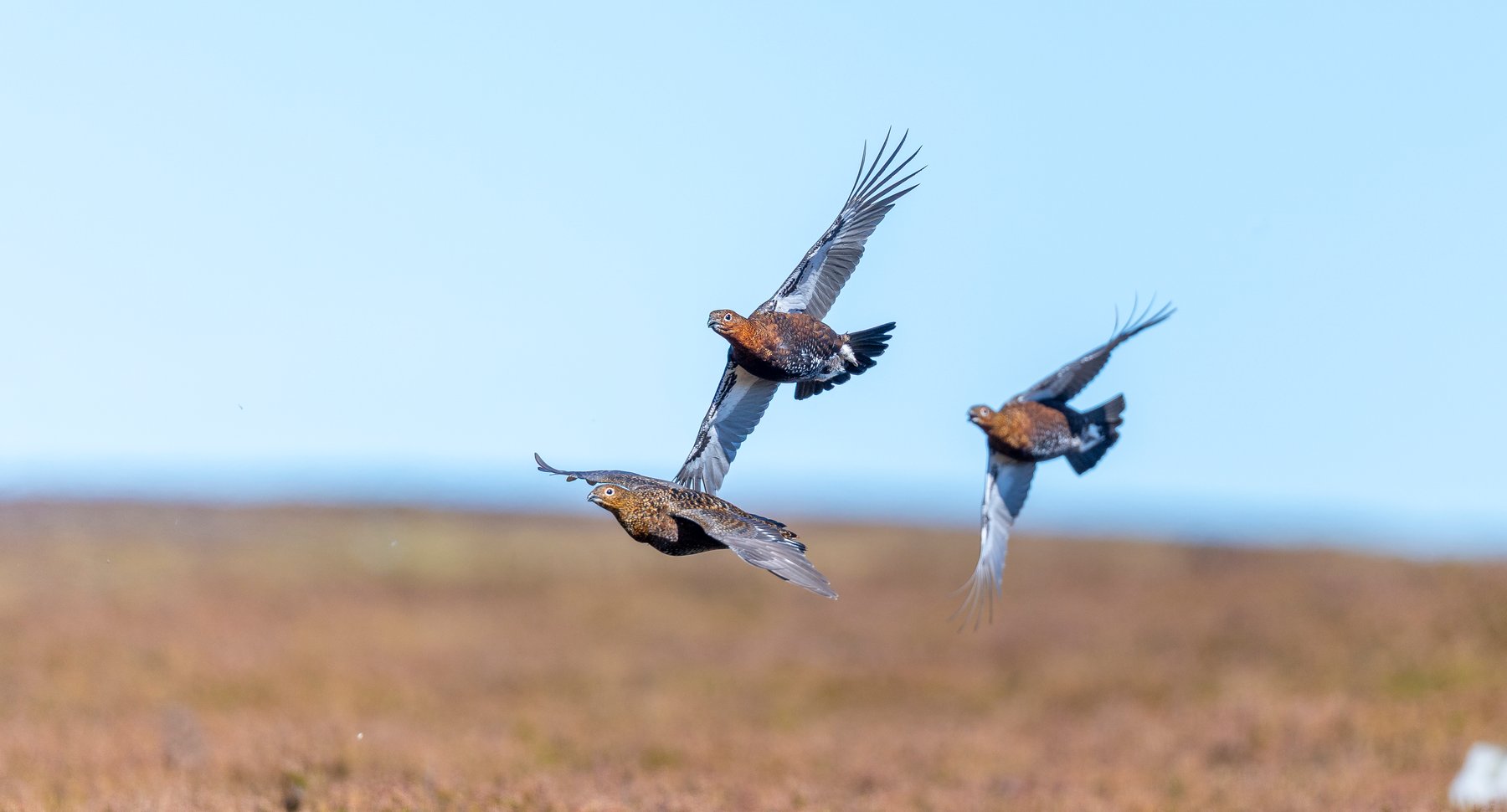

The draft, published on 22 September with an evidence schedule setting out what each source shows and where it is limited, deals with wild red grouse and the management of England’s uplands rather than the rearing and release of pheasants, partridges and mallard. The association says it is not yet the final submission and wants members to tell it where the document has missed evidence, misread practice on the ground or failed to explain something clearly.
What does the draft ask Defra to do?
The response asks the department to look at what the evidence shows about individual management practices and their outcomes, rather than treating grouse shooting as a single environmental pressure. It sets out six tests: assess practices and measured outcomes, consider what would happen if the existing management system changed or ceased, recognise uncertainty and conflicting evidence, deal with demonstrated problems proportionately, weigh the wider consequences of change for management, jobs and conservation investment, and make the weighing of evidence open and checkable.
The draft does not pretend the evidence runs one way. It accepts there is “credible evidence of adverse impacts associated with some practices and of illegal killing and other offences against birds of prey”, alongside experimental and observational evidence of positive outcomes for ground-nesting birds and upland habitats.
Grouse are wild birds, not released stock
Red grouse are neither bred, reared nor released, and the association argues that evidence about grouse moors must be kept apart from evidence about released gamebirds. The evidence schedule published alongside the draft grades each source by type, from peer-reviewed experiments and government reviews to practitioner surveys and estate records, and says the same weighting should apply to evidence that challenges grouse-moor management as to evidence that supports it.
How can estates and beaters submit their own evidence?
Two practical guides were published the same day. One is for moor owners and managers who hold bird counts, habitat and peat restoration records, SSSI consents, grouse counts and bags or wildfire records. The other is for Guns, beaters, flankers, pickers-up, dog handlers, farmers and contractors, and points them to Question 29 of Defra’s call, which asks about recreational and social benefits.
The association is explicit that the aim is “not to generate identical submissions or general expressions of support for grouse shooting”, and the participant guide warns against second-hand stories and claims that go beyond what the evidence can show. Responses go through Defra’s online survey or by email, and the association will run a members’ Zoom briefing at 6pm on 30 September.
What happens next
Comments, corrections and additional evidence on the draft are due with the association by Friday 16 October, ahead of the final submission. Defra’s call for evidence closes at midnight on 1 November, and the department has said late responses will not be analysed. The draft, the evidence schedule and both guides are on the Moorland Association website.
Frequently asked questions
When does the Moorland Association want comments on its draft?
By Friday 16 October 2026, so they can be considered before the final submission goes to Defra ahead of the 1 November deadline.
Can beaters and pickers-up respond to Defra’s call for evidence?
Yes. The association’s participant guide explains how first-hand experience of beating, picking-up or working dogs on a moor can be presented as evidence, most usefully under Question 29 on recreational and social benefits.
When is the Moorland Association’s Zoom briefing?
At 6pm on 30 September 2026, for members preparing their own submissions; registration is through the association’s website.
 Closes 15 JanuaryWorth £129.90Win a pair of tickets to the British Shooting Show 2027Enter nowFree to enter
Related Articles
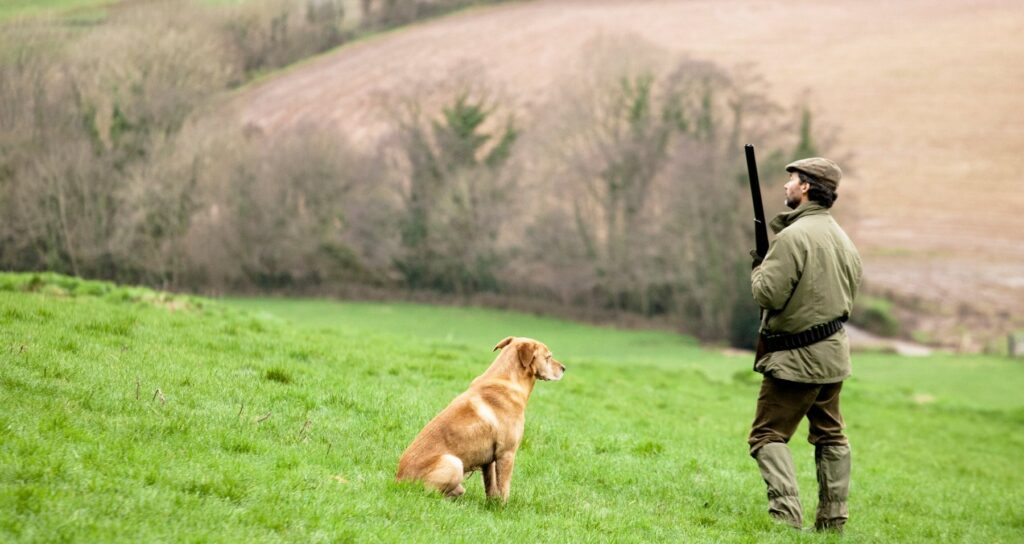
BASC Council elections 2027: nominations open for two seats
The association wants members with the judgement to shape its strategy and hold it to account, for a five-year term, around eight meetings a year and a £350 attendance allowance. What the job involves...
By News Desk | 12 November 2026
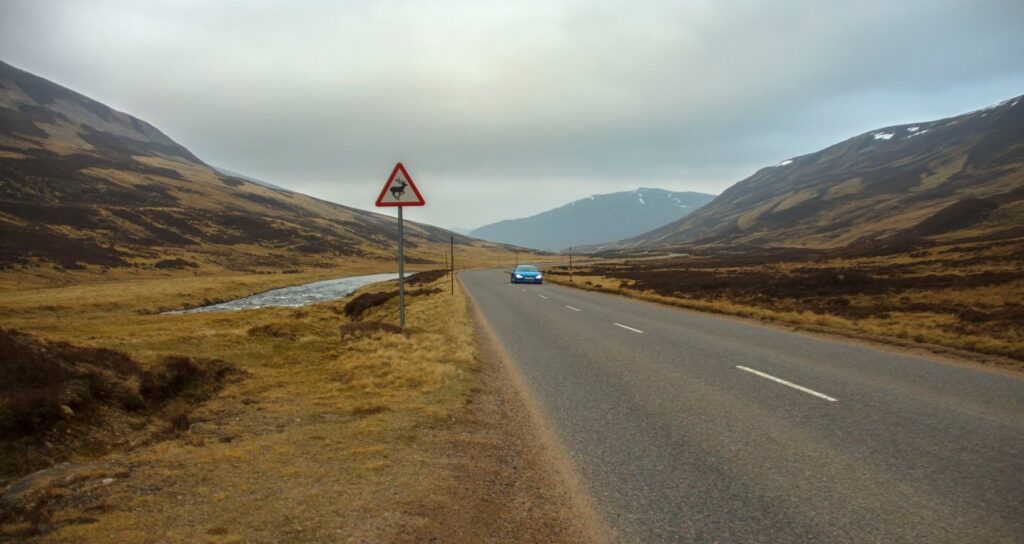
Deer collision warnings run on eight Highland trunk roads in November
NatureScot and Transport Scotland have put dawn and dusk alerts on the A9, A82, A96 and five other trunk roads for the rest of the month, with mobile signs at Lochend on Loch Ness, where collisions wi...
By News Desk | 12 November 2026
Get the latest news delivered direct to your door
Subscribe to Shooting Times & Country
Discover the ultimate companion for fieldsports enthusiasts with Shooting Times & Country Magazine, the UK’s leading weekly publication that has been at the forefront of shooting culture since 1882. Subscribers gain access to expert tips, comprehensive gear reviews, seasonal advice and a vibrant community of like-minded shooters.
Save on shop price when you subscribe with weekly issues featuring in-depth articles on gundog training, exclusive member offers and access to the digital back issue library. A Shooting Times & Country subscription is more than a magazine, don’t just read about the countryside; immerse yourself in its most authoritative and engaging publication.

