

Botswana approves hunting of 23 elephants for independence events
Licences were issued across Botswana’s districts to mark 60 years of independence, with the meat going to rural communities and critics calling the decision reckless
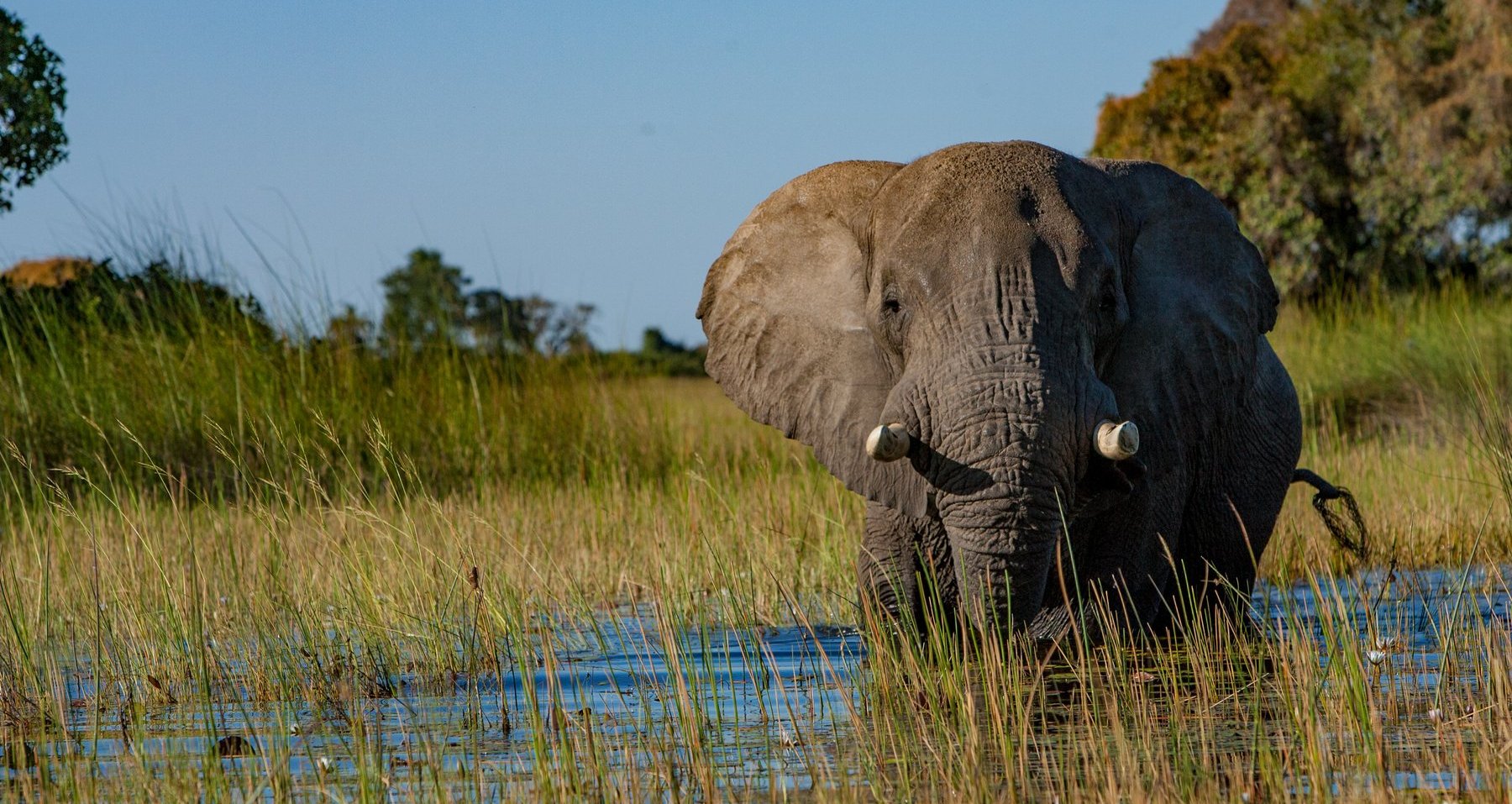

The licences were issued across the country’s districts, each taking a share of the overall allocation, in the week Botswana marked 60 years of independence from Britain on Wednesday 30 September. They sit within the southern African nation’s controlled annual elephant hunting quota, which has run at between 200 and more than 400 animals in recent years.
Why has Botswana licensed the hunts?
Botswana holds the world’s largest elephant population, estimated at around 130,000 animals, and lifted its ban on elephant hunting in 2019 largely because of their growing numbers. The government says controlled quotas are needed to manage the population and to limit human-elephant conflict, with herds destroying crops and infrastructure and killing or injuring people in several African countries.
Defending the latest licences, Dimakatso Ntshebe, deputy director at the government’s Department of Wildlife and National Parks, said: “Wildlife conservation must deliver meaningful benefits to the communities that live alongside wildlife and contribute to its protection.” The meat from the 23 elephants will go to needy rural communities, the authorities said, and licences for dozens of antelope were approved as part of the same initiative.
What do critics say?
Botswana’s Elephant Protection Society called the decision reckless and warned it could make herds more hostile to the people living alongside them. “When one elephant is shot, the rest become defensive,” it said. The African savanna elephant is listed as endangered by the International Union for Conservation of Nature, although Botswana’s population is the continent’s strongest.
Ian Khama, who served as Botswana’s president from 2008 to 2018 and now holds a traditional role as a regional chief, said he disagreed with the move and that it created an expectation that elephants would be killed for future national events.
A debate Britain has been part of before
Botswana’s elephants became an international talking point in 2024, when then-president Mokgweetsi Masisi responded to criticism of trophy hunting from the UK and Germany by offering to send tens of thousands of elephants to those countries. “It is very easy to sit in Berlin and have an opinion on our affairs in Botswana,” he was quoted as saying by the German newspaper Bild, adding that managing elephants was “no joke”. The episode fed the long-running Westminster argument over restricting hunting trophy imports, in which sustainable-use hunting has been defended by range states and by British fieldsports organisations alike.
What happens next
Botswana sets its hunting quotas annually, and the government has given no indication that this year’s approach will change; neighbouring South Africa also issues annual elephant quotas. Mr Khama’s criticism leaves open the question of whether national celebrations will carry hunting licences again, and the country’s compensation scheme for human-wildlife conflict, which records hundreds of cases each year, continues alongside the quota system.
Frequently asked questions
How many elephants does Botswana have?
Botswana holds an estimated 130,000 elephants, more than any other country, and numbers have been a source of human-wildlife conflict for years.
When did Botswana lift its elephant hunting ban?
The ban was lifted in 2019, largely because of the size of the population, and annual quotas of between 200 and more than 400 elephants have been issued since.
Why were the 23 licences issued?
They were approved for the 60th anniversary of independence celebrations, with the meat going to rural communities, and sit within the existing annual quota.
 Closes 15 JanuaryWorth £129.90Win a pair of tickets to the British Shooting Show 2027Enter nowFree to enter
Related Articles
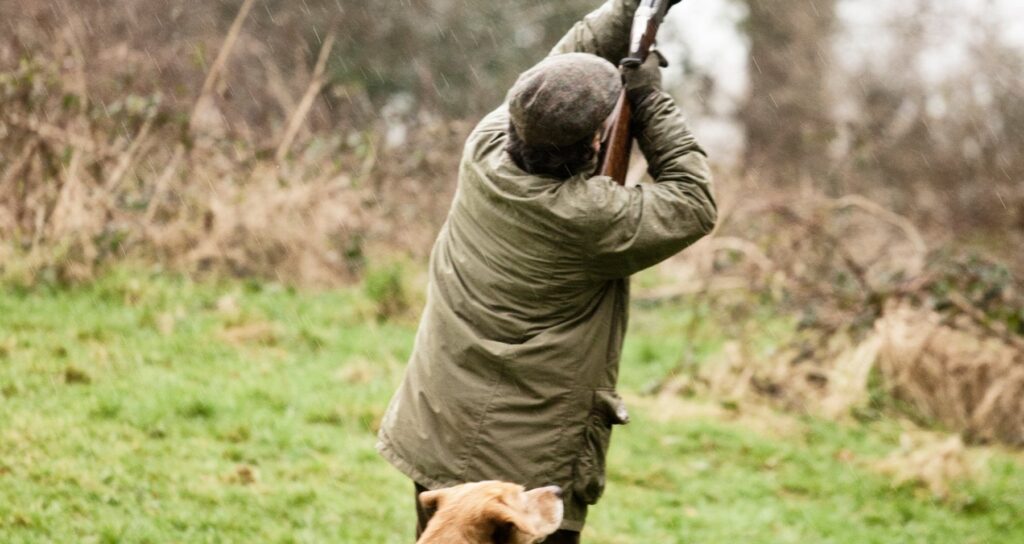
Shooting Community Cares coat drive returns with 11 drop-off points
The Scottish Countryside Alliance’s winter coat drive for homeless people is back for a second winter, collecting at shooting grounds and country stores from Dumfries to Inverness until the end of Feb...
By News Desk | 19 November 2026
Defra restructure leaves out rural affairs, says Countryside Alliance
Defra is to be reorganised into three groups from early 2027. The Countryside Alliance has asked where responsibility for rural communities will sit; Defra says rural affairs is moving into the depart...
By News Desk | 19 November 2026
Get the latest news delivered direct to your door
Subscribe to Shooting Times & Country
Discover the ultimate companion for fieldsports enthusiasts with Shooting Times & Country Magazine, the UK’s leading weekly publication that has been at the forefront of shooting culture since 1882. Subscribers gain access to expert tips, comprehensive gear reviews, seasonal advice and a vibrant community of like-minded shooters.
Save on shop price when you subscribe with weekly issues featuring in-depth articles on gundog training, exclusive member offers and access to the digital back issue library. A Shooting Times & Country subscription is more than a magazine, don’t just read about the countryside; immerse yourself in its most authoritative and engaging publication.

