★ Your magazine. Your say. Complete our reader survey with a chance to win Jack Pyke kit worth £500! ★


Defra pushing to ban snares in England ‘as swiftly as possible’
A written answer of Wednesday, 28 October hardens the Government’s language on a snare ban, with the department now “actively looking” to bring one into force, a direct hit on fox control on keepered ground
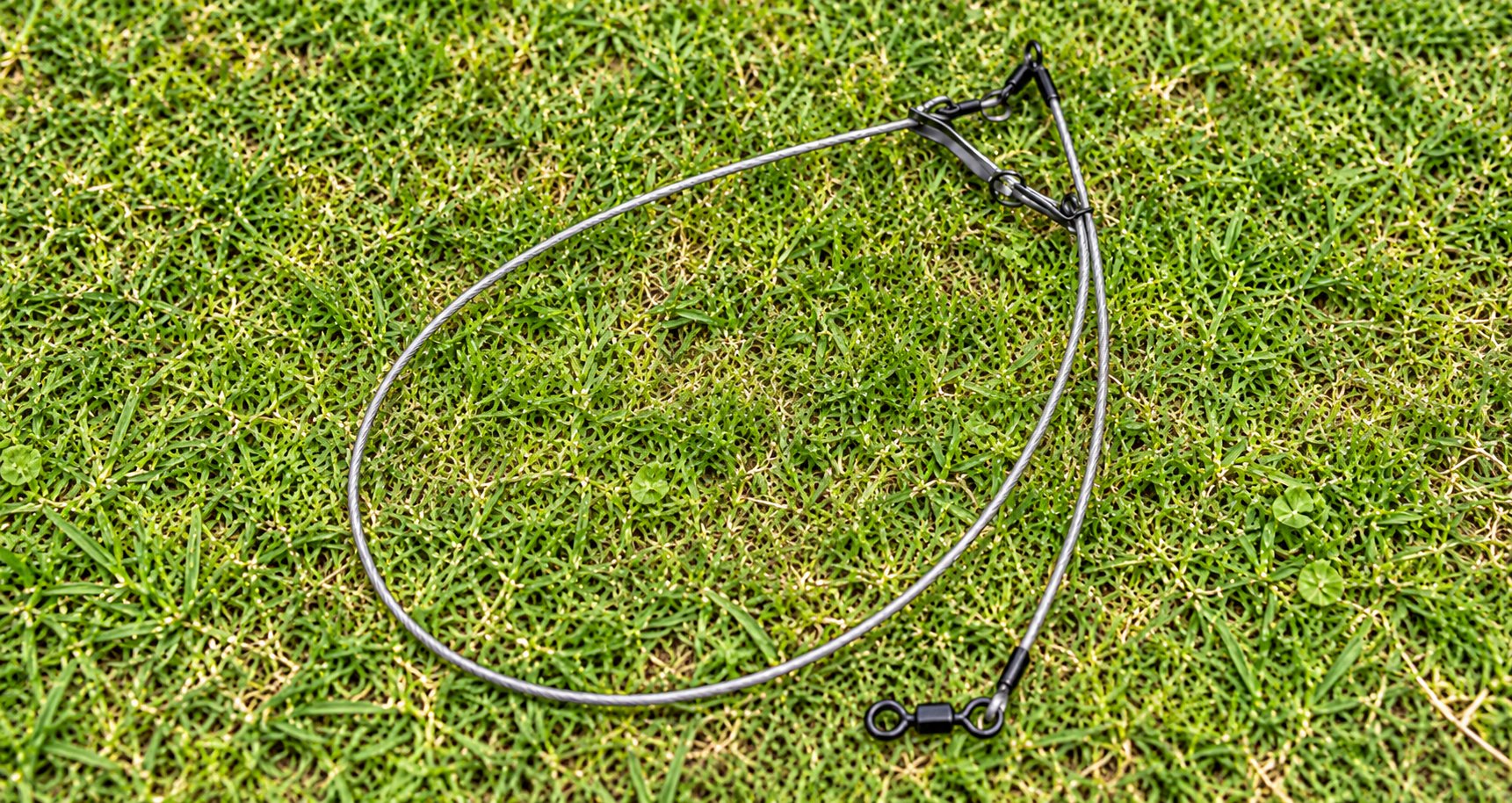

The Department for Environment, Food and Rural Affairs (Defra) is “actively looking to bring a ban on snares into force as swiftly as possible”, minister Jenny Riddell-Carpenter said in a written answer on Wednesday, 28 October, the firmest language yet on a change that would remove a fox control tool from keepered ground in England.
What exactly did the minister say?
Answering Chris Hinchliff (Labour, North East Hertfordshire), who asked what steps were being taken to legislate on snares in England, the minister said in full: “This Government has a commitment to bring an end to the use of snare traps in England, as stated in the response given on 1 July 2026 to PQ UIN 12963. This was reaffirmed in this Government’s Animal Welfare Strategy, published in December 2025. Such a change will require primary legislation, and Defra is actively looking to bring a ban on snares into force as swiftly as possible.”
Previous answers had restated the commitment without urgency; “actively looking” and “as swiftly as possible” are new, though no bill is named and no date given.
What would a ban mean for keepers?
Modern code-compliant humane cable restraints are used by gamekeepers for fox control, particularly in spring when protecting ground-nesting birds such as curlew and lapwing, where alternatives are limited at night and in cover. The timing cuts against the newest science on the Government’s own desk: the Game & Wildlife Conservation Trust’s peer-reviewed study, published this month, found legal predator control on pheasant release sites is likely holding fox numbers at or below the levels of the surrounding farmland, underlining how much lowland conservation leans on effective fox control. A ban would follow the road Wales took: the use of snares and glue traps has been illegal there since 17 October 2023 under the Agriculture (Wales) Act 2023, the first ban of its kind in the UK, with the offences written into the Wildlife and Countryside Act 1981 and penalties running to an unlimited fine or imprisonment.
What happens next
Any ban needs primary legislation, so the measure must find a bill. The answer gives no timetable, and no draft bill, programme slot or commencement plan has been published, which leaves the practical question, what replaces the restraint in spring predator control, unaddressed. Shooting and gamekeeping organisations are expected to press for workable alternatives and transition time once a vehicle is named, and the desk will report their responses as they come.
Frequently asked questions
Are snares being banned in England?
Not yet. The Government has committed to end the use of snares in England and says it is actively looking to legislate as swiftly as possible, but a ban requires primary legislation and no bill or date has been named.
Are snares already banned elsewhere in Britain?
Wales banned the use of snares and glue traps from 17 October 2023 under the Agriculture (Wales) Act 2023, the first UK nation to do so.
Why do gamekeepers use humane cable restraints?
For fox control where shooting is impractical, particularly at night and in cover during spring, when ground-nesting birds such as curlew and lapwing are most vulnerable to predation.
 Closes 15 JanuaryWorth £129.90Win a pair of tickets to the British Shooting Show 2027Enter nowFree to enter
Related Articles

Greys at 2.7 million, reds at 287,000: 150 years from one release
The Red Squirrel Survival Trust marks 150 years since the first grey squirrels were turned loose in Cheshire, with control work by shooters and keepers still holding the line while a contraceptive is...
By News Desk | 29 October 2026
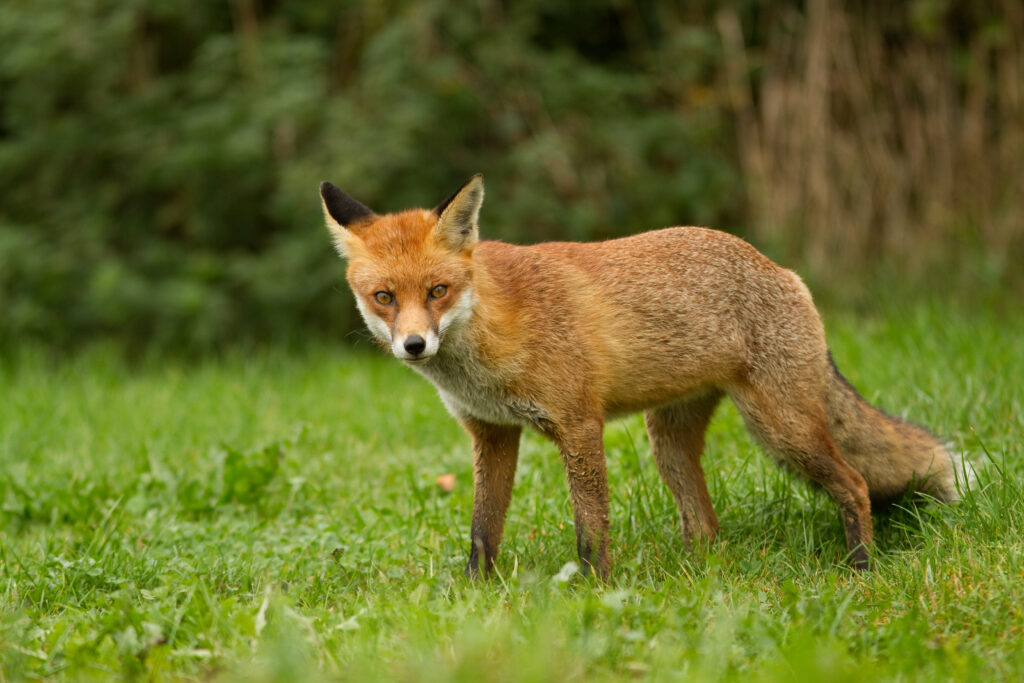
Pheasant releasing does not boost fox numbers, GWCT study finds
The peer-reviewed paper found no rise in fox activity on release sites, with keepers’ legal predator control the likely reason, days before the Department for Environment, Food and Rural Affairs (Defr...
By News Desk | 28 October 2026
Get the latest news delivered direct to your door
Subscribe to Shooting Times & Country
Discover the ultimate companion for fieldsports enthusiasts with Shooting Times & Country Magazine, the UK’s leading weekly publication that has been at the forefront of shooting culture since 1882. Subscribers gain access to expert tips, comprehensive gear reviews, seasonal advice and a vibrant community of like-minded shooters.
Save on shop price when you subscribe with weekly issues featuring in-depth articles on gundog training, exclusive member offers and access to the digital back issue library. A Shooting Times & Country subscription is more than a magazine, don’t just read about the countryside; immerse yourself in its most authoritative and engaging publication.

