

Gamekeeper: an interactive map of 80 Holkham drives, and eight seasons of data at the push of a button
Holkham headkeeper Mark Fitzer on the interactive map his son built of more than 80 drives and eight seasons of data, and how it spots problems before they become real ones
Now I wouldn’t describe myself as a technophobe, especially where gadgets that make my job more effective are concerned. Thermal imaging, night-vision equipment, trail cams – I can’t get enough of them. Well, within reason anyway. I can even send emails. That is, though, about my limit, apart from a few spreadsheets and so on.
My son, on the other hand, is a totally different kettle of fish. Whenever I get a new phone, I chuck it at him and say, “Daniel, sort this bloody thing out, will you?” I would be able to do it, but I lose my patience very quickly and fall out with it, so it’s easier to give it to him to sort.
Within five minutes he usually hands it back to me and says, “There you go, Father,” with a wry smile on his face. I know what he’s thinking, but he’s usually too polite to say it – well, most of the time anyway.
An interactive map of more than 80 drives
There is one thing he has done for me this year that has taken a little more than the usual five minutes, and that is to create a fully interactive map of the entire in-house shooting area of the estate. With over 80 drives, that is no mean feat on its own, but the data that is now provided at the push of a button is amazing. If I click on a drive on the map, it will tell me the number of times that drive was shot; it will tell me how many birds were shot on any day or the entire season.
It will also tell me which teams shot the drive, how many shots were fired, what the weather was, what species were shot and so on – and all this spanning back over the last eight seasons.
To say I’m impressed is an understatement. Yes, all the data was there before, but previously I would have had to sift through multiple pages, either in hard copies or on spreadsheets. Now it’s just at the push of a button.
What shoot data can tell a headkeeper
So, what’s its value? Well, apart from the obvious, there are loads of benefits. For instance, we have many teams return here year after year to shoot, often at the same stage in the season, and I can quickly check what drives they did on their day the previous season. Now I won’t necessarily do totally different drives, but if there’s an option to mix things up and give them different drives to last year, then I can.
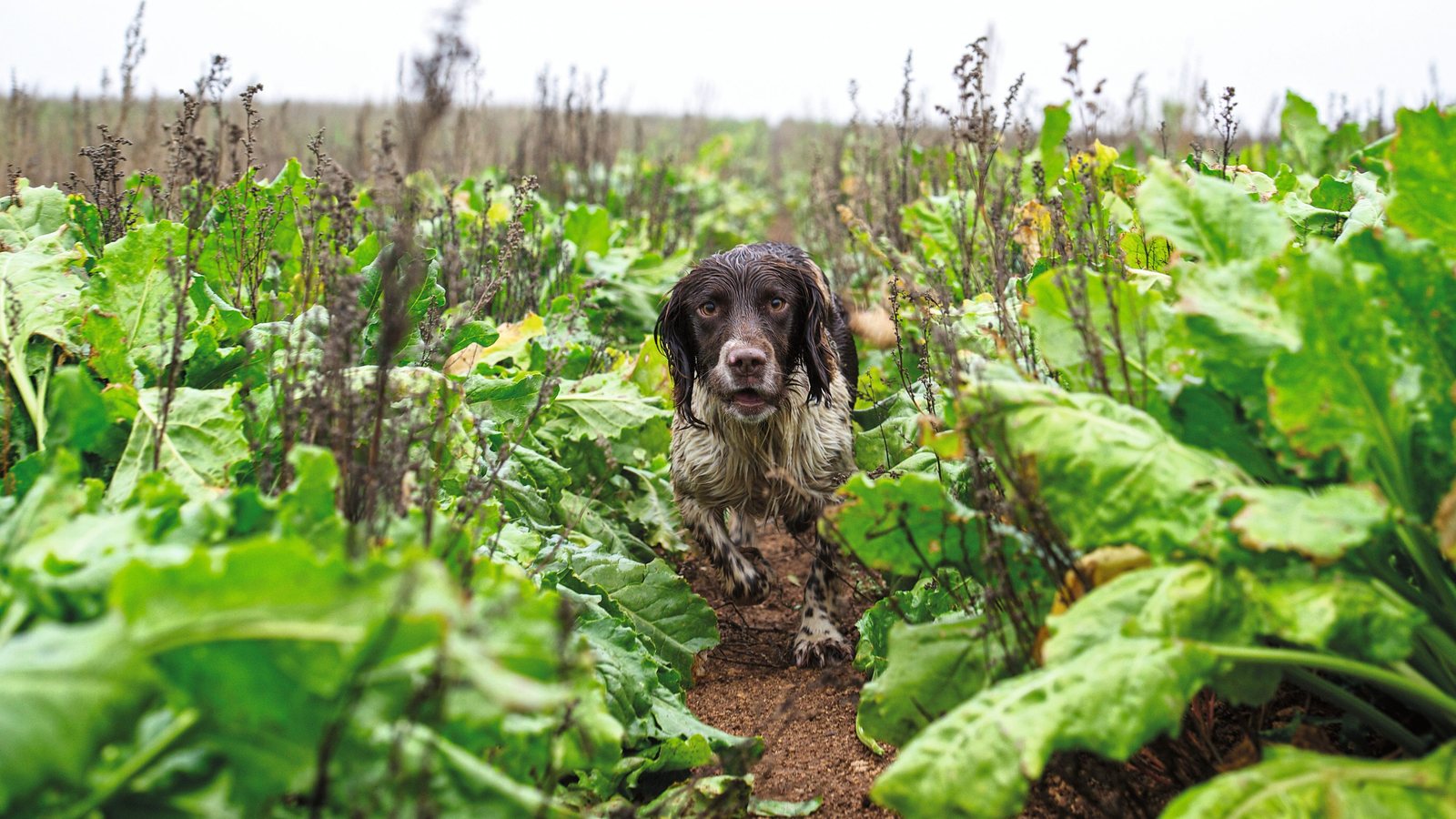
Another thing, on a management level, is that you can quickly see patterns start emerging. For instance, a drive that has been consistent for a couple of years suddenly takes a dip in productivity; the next year it’s back on track, the year after all’s good, then it dips again. Why is this? All becomes apparent when you look at the cropping plan. Sugar beet planted on an adjacent field causes the birds to peel out of the side of the drive, because it’s where they have been roosting, and this causes the high numbers of the line to be out of the shooting. Remove the sugar beet, remove the problem – or at least be prepared for it.
This is just one example of the benefits of this map. The information that it provides, and will continue to provide, is invaluable, and through this knowledge it may help us be prepared for potential issues before they become a real problem.
So, all in all, the boy’s done good creating this map for me. You never know, he might even get an invite on beaters’ day.
A first roebuck remembered
Beaters’ day – that seems a long way away. We haven’t even made a start yet, but once we get going, time soon flies by.
I had a coffee this morning with one of our stalking syndicate members, and we were chatting with another person who is just starting out on their stalking career. Gary reminded me that the first deer he ever shot was with me, a nice roebuck, some 20-odd years ago, and since then he has stalked all over the world, but he will never forget his first introduction to the world of stalking.
I get a bit of satisfaction when I am reminded of things like this, and when I think back over the years about some of the people that I have introduced into the world of fieldsports, then it does give me a bit of a warm glow – or perhaps that’s just the whisky.
Mark Fitzer is the headkeeper on the famous Holkham estate in North Norfolk
Frequently asked questions
How can sugar beet affect a pheasant drive?
At Holkham, sugar beet planted on a field next to a drive gives the birds somewhere to roost, so they peel out of the side of the drive towards it and the high numbers of the line end up out of the shooting.
What can shoot records show a keeper?
Mark Fitzer’s map records how often each drive was shot, the birds shot per day and per season, which teams shot it, shots fired, weather and species over eight seasons, which lets him vary returning teams’ days and spot patterns such as a drive dipping in productivity.
 Closes 15 JanuaryWorth £129.90Win a pair of tickets to the British Shooting Show 2027Enter nowFree to enter
Related Articles
Gamekeeper: why a smooth shoot day starts with gates, bridges, vehicles and the dogs
Partridges are flying well at the Honeycombe Shoot, but Mike Appleby says a smooth season rests on the work done before it – gates, bridges, vehicles, spares and the dogs
By Mike Appleby | 10 November 2026

From the Game Farm: why game farmers are uniting in a new European Game Farmers’ Group
As political threats loom in Brussels, Dominic Boulton explains how game farmers from across Europe are setting up the European Game Farmers’ Group, with a little help from FACE
By Dominic Boulton | 10 November 2026
Get the latest news delivered direct to your door
Subscribe to Shooting Times & Country
Discover the ultimate companion for fieldsports enthusiasts with Shooting Times & Country Magazine, the UK’s leading weekly publication that has been at the forefront of shooting culture since 1882. Subscribers gain access to expert tips, comprehensive gear reviews, seasonal advice and a vibrant community of like-minded shooters.
Save on shop price when you subscribe with weekly issues featuring in-depth articles on gundog training, exclusive member offers and access to the digital back issue library. A Shooting Times & Country subscription is more than a magazine, don’t just read about the countryside; immerse yourself in its most authoritative and engaging publication.

