

Beaver release licensed for Ness catchment despite land use concerns
Up to 15 family groups will be released over three years, with NatureScot promising trapping where beavers settle on prime farmland
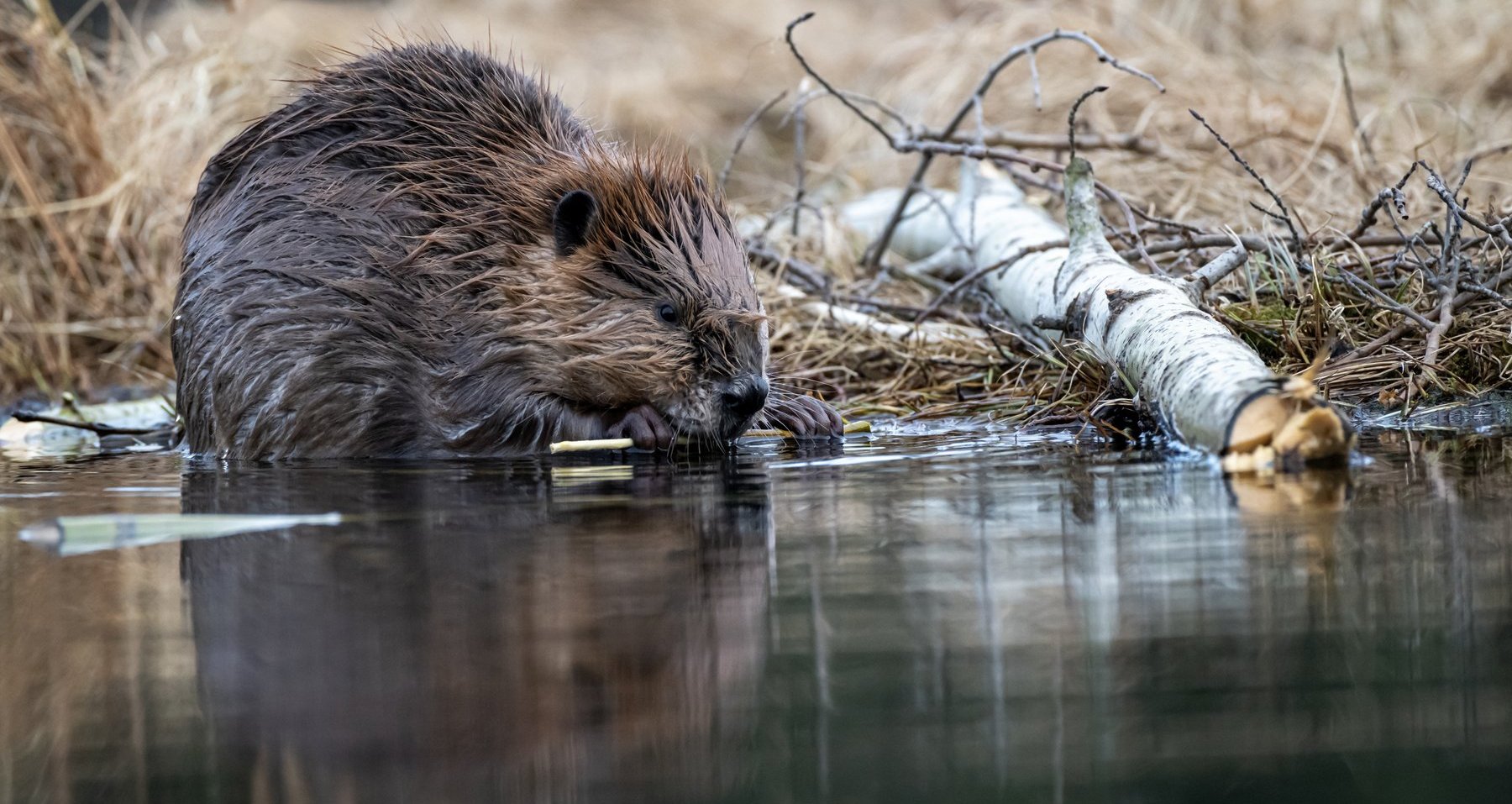

Land managers in the Great Glen are to live alongside licensed beavers for the first time, after NatureScot approved releases of up to 15 family groups into the River Ness catchment over three years. The licence of Friday, 30 October, granted to Trees for Life and the Beaver Trust, is the first authorised expansion into the Highland catchment under Scotland’s Beaver Strategy 2022 to 2045.
What protections do farms and estates have?
NatureScot says every release site has been agreed in advance, all animals will be health-screened, and beavers that settle on prime agricultural land, where mitigation has failed or is impossible, will be trapped under licence. Robbie Kernahan, NatureScot’s director of wildlife management, said: “Some concerns have been raised by land managers and residents through the consultation process and we take these seriously.” The agency’s Beaver Mitigation Scheme is named as the route for resolving conflicts.
How heavy is the management workload likely to be?
The record from catchments where beavers are already established gives a measure. NatureScot’s most recent beaver management report recorded 84 animals removed at 22 sites in a single year, with 107 cases handled under the mitigation scheme as the Tay and Tweed populations spread onto farmland and sporting ground. More than 73% of respondents to the Ness consultation supported the releases, with concerns coming from land managers, fisheries interests and residents.
For estates and farms in the catchment, the practical questions are where dams will be tolerated, how quickly mitigation requests will be handled, and who carries the cost of flooded in-bye, tracks and drainage. Fishery managers on the Ness, one of the Highlands’ most productive salmon systems, raised their own concerns about spawning burns during the consultation.
The precedent from the established populations is that the full management toolkit gets used: trapping and translocation first, flow devices and bank protection where dams can be lived with, and lethal control under licence where nothing else works. NatureScot’s published figures include 22 animals killed under licence in the most recent reporting year alongside 62 trapped and moved, which is the honest measure of what co-existence has required elsewhere.
What happens next
Releases begin at the agreed sites over the next three years, with monitoring built into the licence and health screening before any animal goes in. Land managers who meet problems can apply to NatureScot under the mitigation scheme, and the first releases, the sites chosen and any fishery board response will be reported as they come.
Frequently asked questions
Where will beavers be released in Scotland next?
The River Ness catchment, under a NatureScot licence approving up to 15 family groups over three years at agreed sites.
Can farmers have beavers removed?
NatureScot says beavers settling on prime agricultural land where mitigation has failed or is impossible will be trapped under licence, with its Beaver Mitigation Scheme handling other conflicts.
How many beavers are managed in Scotland already?
NatureScot’s most recent management report recorded 84 animals removed at 22 sites in a year, with 107 mitigation cases.
 Closes 15 JanuaryWorth £129.90Win a pair of tickets to the British Shooting Show 2027Enter nowFree to enter
Related Articles
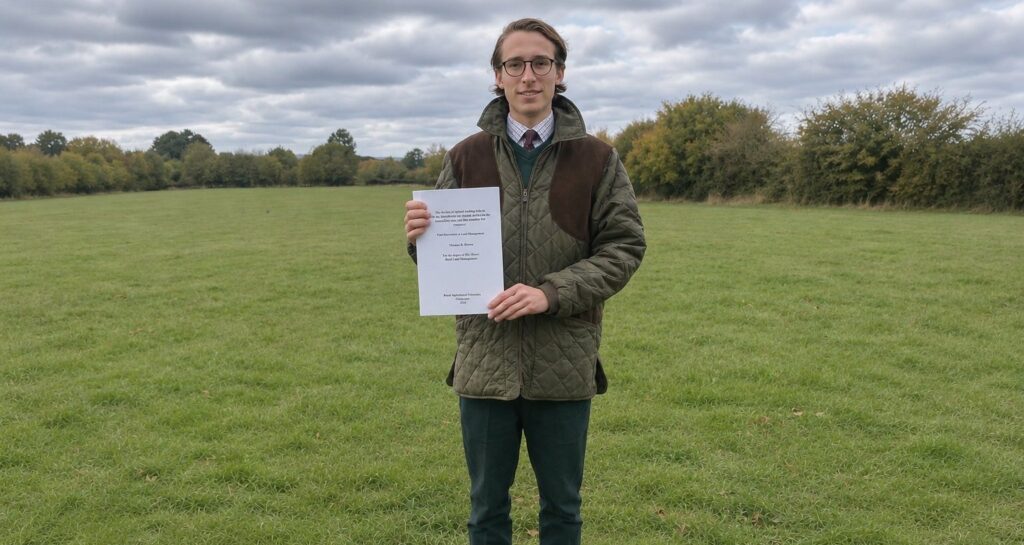
Game shooting can be justified, student, 17, tells Government review
Felix Hodgkinson-Last weighed both sides of the argument for his A-level project, concluded the sport can be justified, and filed it as evidence
By News Desk | 5 November 2026
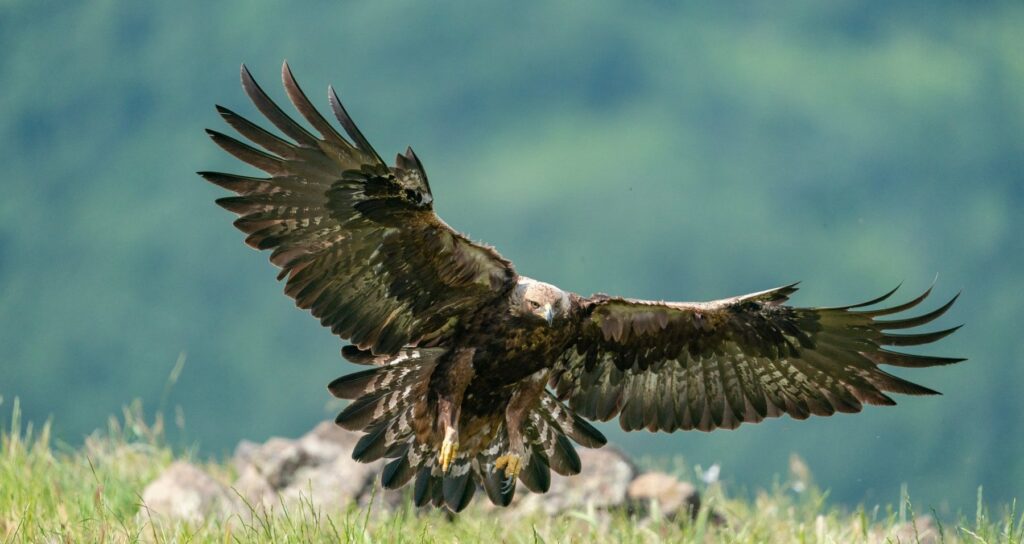
Golden eagle chick raised on grouse moor is a southern Scotland first
Keepers who work the moor have named him Beaky Junior, as the project behind the recovery counts more than 50 eagles in southern Scotland, a 300-year high
By News Desk | 5 November 2026
Get the latest news delivered direct to your door
Subscribe to Shooting Times & Country
Discover the ultimate companion for fieldsports enthusiasts with Shooting Times & Country Magazine, the UK’s leading weekly publication that has been at the forefront of shooting culture since 1882. Subscribers gain access to expert tips, comprehensive gear reviews, seasonal advice and a vibrant community of like-minded shooters.
Save on shop price when you subscribe with weekly issues featuring in-depth articles on gundog training, exclusive member offers and access to the digital back issue library. A Shooting Times & Country subscription is more than a magazine, don’t just read about the countryside; immerse yourself in its most authoritative and engaging publication.

