

Gamekeeper: keepers were snubbed over this summer’s wildfires, and now their fire skills are being lost
Gamekeepers were left out when the Government thanked those who fought this summer’s wildfires, and now their fire skills are being lost, writes Lindsay Waddell


then the blatant omission of the gamekeepers from the thank-you reception for those who fought this summer’s wildfires speaks volumes.
At least on a local level their efforts were given the credit they deserved, and that is perhaps worth more than some nod from officialdom, but it is done, and it now remains to be seen if they have any voice in the body which is looking at the risk and mitigation for the future.
It’s somewhat lost in recent history, but if the gamekeepers had not been set aside when it came to the discussions regarding burning on the moorland in England, we might never have got into the current mess we are in. I, along with a number of others, was involved in a dialogue with Defra for quite some time but, at a certain point, we were deemed surplus to requirements and the Moorland Association and others carried on.
Draconian restrictions on moorland burning
An announcement was made that, with some restrictions, burning could carry on, but within a very short timescale Defra and Natural England decided that agreement was not to be honoured and draconian restrictions were put in its place. Much of the so-called science which was quoted for those was, and has continued to be, called into question by scientists who have no sides in this debate; their decision was based purely on the science, or the quality of it.
The reality is there is no-one in this country who has any real knowledge of fighting fires of this nature other than those who have been doing just that for 150 years: the grouse moor keepers. Their knowledge has been passed from generation to generation – until recently, that is. It is worth a mention that the gamekeepers’ wildfire risk index is now seen by some as the best judge of conditions, but it has taken far too long for that to be the case.
Knowledge you cannot learn from a book
The change from nothing but burning to a very high percentage cutting regime on the moors will, in a very short timescale, cause that skill set to be lost, as simply almost no-one now does what used to be done when burning large-scale areas of degenerate grass and heather. That knowledge was vital every time a fire was lit, and some of that knowledge would surprise many. The fine balance of ground conditions, wind and moisture level in the vegetation all play their part, but so does the detailed knowledge of the landscape, and that is not something which you can teach anyone.
The view peddled by many that the aftermath of a fire lit under the correct conditions is damaged or burnt peat could not be further from the truth – the Mars bar test proves that. A good frost will still leave frozen, untouched ground following a fire, with not even light snow melted at times at ground level.
There seems to be among a certain level of participants a feeling that if you do not have an academic qualification, your knowledge is worthless. Exactly the opposite is the case in this instance: no qualification will give you the skills to deal with a runaway fire on the ground; actual practical experience – years of doing it – will, and that is the crux of the matter.
It is about time credit was given where it belongs: to those who know the risks and how to handle them, rather like the native peoples in many other parts of the world, where controlled burning is once more being deployed to stop or mitigate fires.
Lindsay Waddell is a former chairman of the NGO and a retired gamekeeper
Frequently asked questions
Why are gamekeepers’ fire skills at risk?
Lindsay Waddell argues that the move from burning to a very high percentage cutting regime on the moors means almost no-one now does large-scale controlled burning, so knowledge passed down through generations of grouse moor keepers will quickly be lost.
What is the gamekeepers’ wildfire risk index?
A measure of fire risk drawn up by gamekeepers, now seen by some as the best judge of conditions.
About the author
Lindsay Waddell
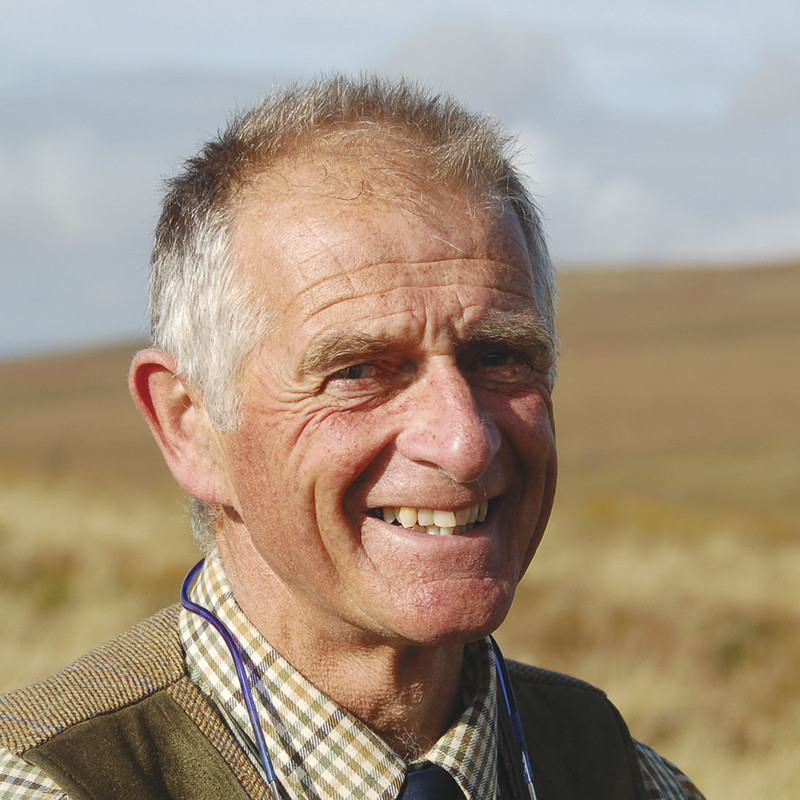
County Durham-based and former headkeeper of the Raby estate in Upper Teesdale, Lindsay is a longstanding Shooting Times columnist on grouse and moorland matters. He spent much of his boyhood with his aunt and uncle, a shepherd, in the Angus Glens, attaching himself from the age of seven or eight to Dick Barrett, the grouse keeper on Glenprosen, and still owns and occasionally uses his uncle's Belgian hammer gun, well over 100 years old. Lindsay joined Upper Teesdale as headkeeper in 1976 and managed 30,000 acres of grouse moor there for four decades, part of a National Nature Reserve carrying SSSI, SPA and SAC designations. He was chairman of the National Gamekeepers' Organisation until his retirement from full-time keepering, when Liam Bell succeeded him, and became the organisation's honorary vice-president.
 Closes 15 JanuaryWorth £129.90Win a pair of tickets to the British Shooting Show 2027Enter nowFree to enter
Related Articles

Gamekeeper: holding birds, dogging-in and why fireworks and pheasants do not mix
November is an important month in the shooting calendar, with birds to hold, drives to peg out and the fallen to remember, writes new columnist Sue Knight
By Sue Knight | 18 November 2026

Sporting Life: how a pioneering 1970s Sparsholt course opened a new route into keepering
Many keepers once followed their fathers into the role, but a pioneering 1970s college course opened a new route into keepering – and Jeremy Hobson was on its second intake
By Jeremy Hobson | 12 November 2026
Get the latest news delivered direct to your door
Subscribe to Shooting Times & Country
Discover the ultimate companion for fieldsports enthusiasts with Shooting Times & Country Magazine, the UK’s leading weekly publication that has been at the forefront of shooting culture since 1882. Subscribers gain access to expert tips, comprehensive gear reviews, seasonal advice and a vibrant community of like-minded shooters.
Save on shop price when you subscribe with weekly issues featuring in-depth articles on gundog training, exclusive member offers and access to the digital back issue library. A Shooting Times & Country subscription is more than a magazine, don’t just read about the countryside; immerse yourself in its most authoritative and engaging publication.

