
Police guide to cartridges and calibres written with shooting bodies
The College of Policing’s guide for firearms enquiry officers, built with the BSSC, GTA and HBSA, should cut refusals and needless conditions, the council says
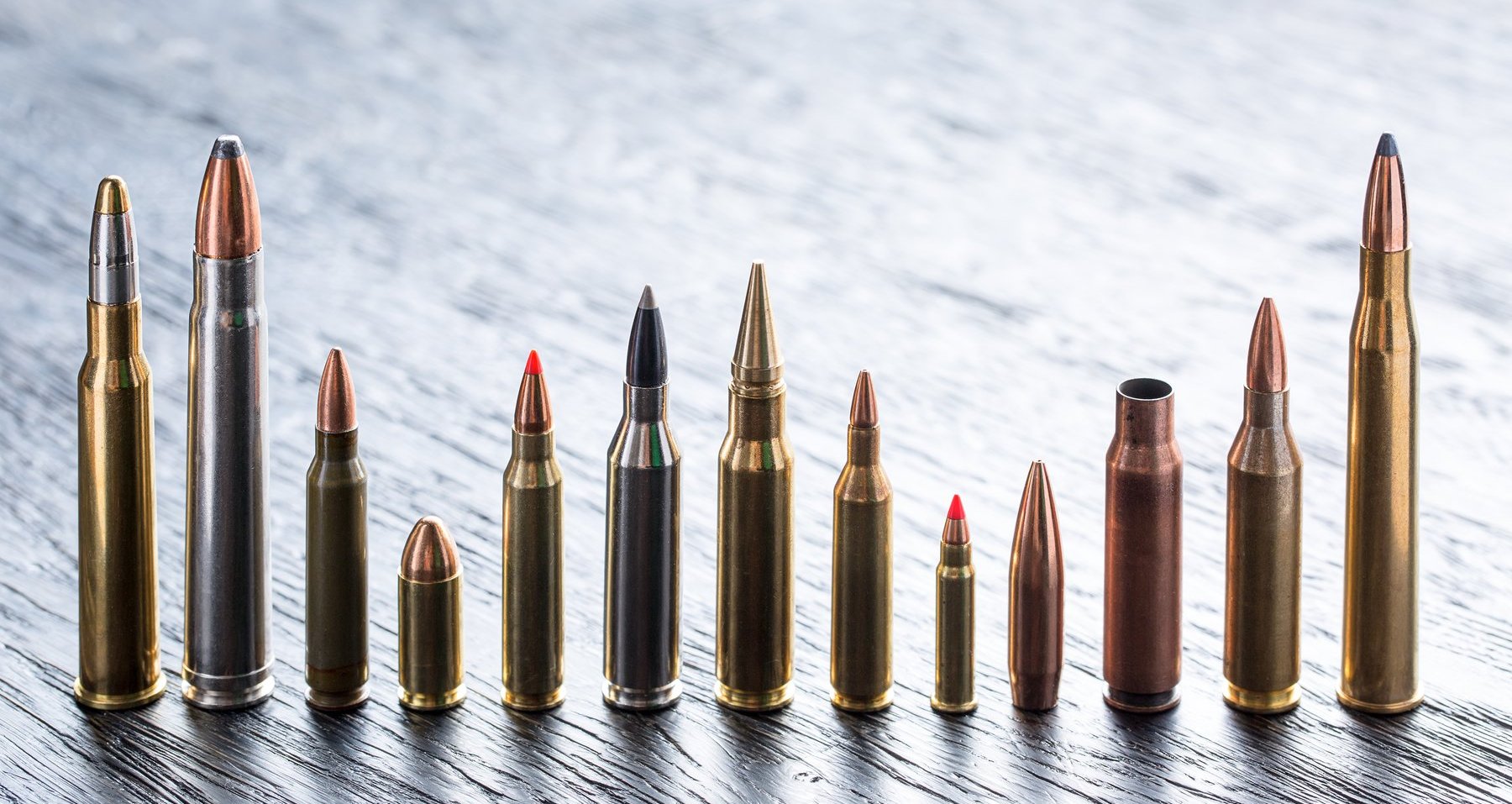

Firearms enquiry officers now have a College of Policing guide to cartridges and calibres written with the shooting organisations, a document the British Shooting Sports Council (BSSC) says should mean fewer refusals, fewer needless conditions and more consistent handling of variations. The council announced the guide on 25 November, two months after its September publication date, and has put the 30-plus page document on its own website for certificate holders to read.
What does the cartridges and calibres guide cover?
Titled Firearms Licensing: An Introductory Guide to Cartridges and Calibres, version 6.0, the guide was developed by the College of Policing in partnership with the BSSC, with specialist contributions acknowledged from the chair of the Historical Breechloading Smallarms Association (HBSA) and the technical director of the Gun Trade Association (GTA). It is written for enquiry officers and licensing decision-makers in England and Wales.
Its sections run through a quick reference to rimfire, centrefire and larger calibres; the legal minimum calibres and muzzle energies for deer in England and Wales, with indicative distances; Section 1 and Section 2 shotguns; target, vintage and classic cartridges; typical application scenarios with the key questions an officer should ask and a decision checklist; common matters that need further enquiry; a set of frequently asked questions; and a glossary.
The foreword describes the guide “as a practical reference document for firearms licensing staff when considering firearms, cartridges and calibres”, to support professional judgement rather than replace legislation, Home Office guidance or force policy. Its central message is one every stalker who has argued for a .243 or a 6.5 Creedmoor will recognise: “cartridge or calibre alone is rarely a reliable indicator of suitability, risk, or intended use.”
Why does the BSSC think it matters?
The council, whose member bodies span game, clay, target, practical and historic arms shooting, said the guide gives officers a working overview of the cartridges and calibres they will meet so that conversations with applicants start from a shared understanding. It expects fewer misunderstandings at the kitchen table, fewer unnecessary conditions or refusals and more consistent decisions on variations between forces, and called the project a model for how policing, the shooting organisations and the trade can work together.
The guide arrives with licensing under strain. The National Police Chiefs’ Council’s latest figures, read by the BSSC earlier this month, show 68.76% of grant and renewal applications completed within four months, a fifth consecutive quarterly fall, with 114,409 renewals due in 2027. The August report of His Majesty’s Inspectorate of Constabulary and Fire & Rescue Services recommended bringing shotgun controls into line with those on other firearms, a consultation the Home Office says will come in due course.
What happens next?
The guide is available now through the BSSC’s useful information page. The College of Policing has not issued its own announcement, and neither BASC, the Gun Trade Association nor the National Rifle Association had published a statement on it by 26 November. Certificate holders preparing a variation, particularly for a deer or foxing calibre, may find it worth reading before the enquiry officer’s visit, since it sets out the questions they will be asked. The council says it will keep working with the College on updates.
Frequently asked questions
What is the College of Policing cartridges and calibres guide?
A reference document, version 6.0 dated September 2026, developed by the College of Policing with the British Shooting Sports Council for firearms enquiry officers and licensing staff in England and Wales. It covers calibres, deer legal minimums, shotgun sections, target and vintage cartridges and the questions officers should ask applicants.
Does the guide change the law on calibres for deer?
No. It restates the legal minimum calibres and muzzle energies for deer in England and Wales and gives indicative distances; it supports officers’ judgement and does not replace legislation or Home Office guidance.
Where can certificate holders read it?
The BSSC has published the PDF on the useful information page of its website, bssc.org.uk.
 Closes 15 JanuaryWorth £129.90Win a pair of tickets to the British Shooting Show 2027Enter nowFree to enter
Related Articles
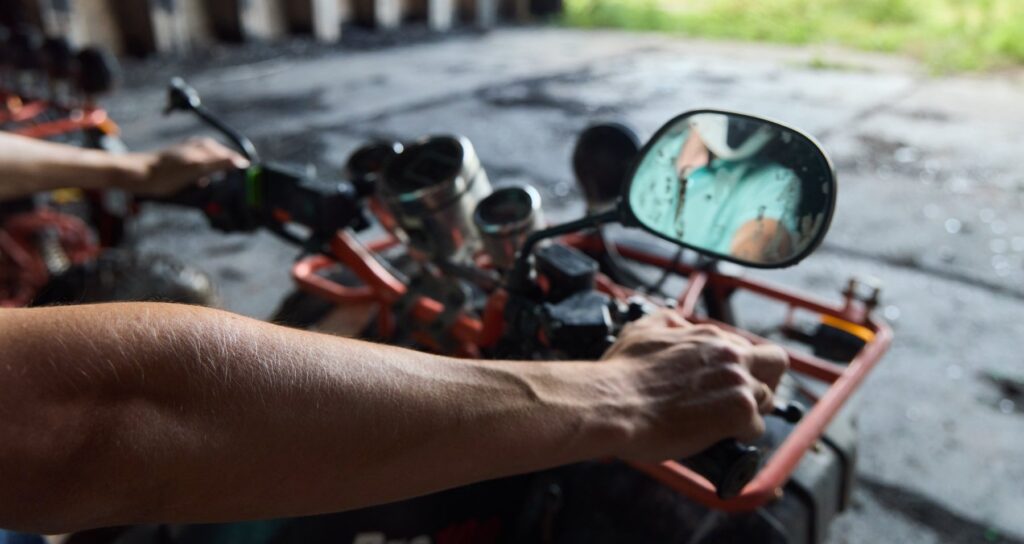
Rural crime cost: Home Office holds no figure, minister admits
The only national estimate of what rural crime costs is an insurer’s claims book, policing minister Sarah Jones has told MPs, because the theft of a keeper’s quad bike is counted as a theft like any o...
By News Desk | 26 November 2026
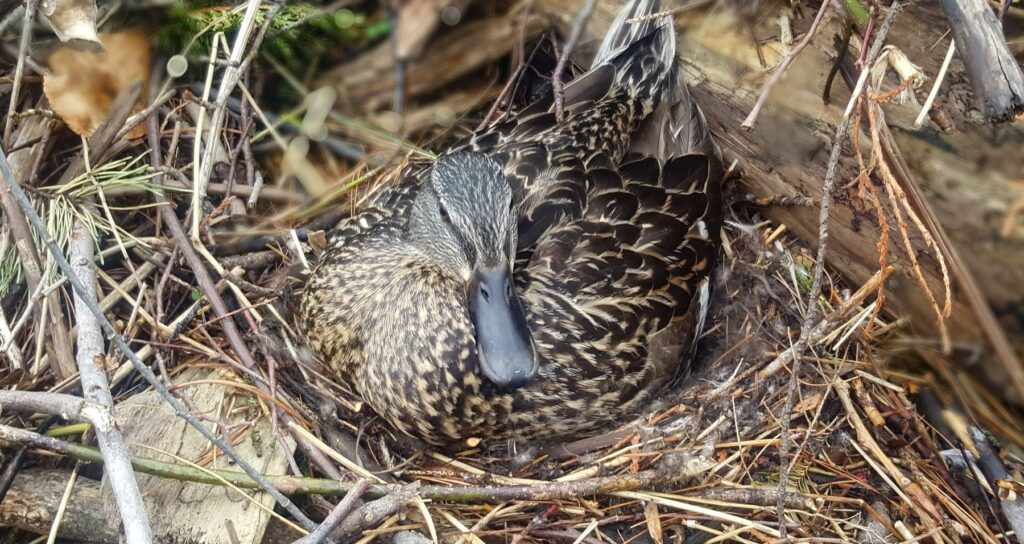
Duck nest monitoring draw won by Aberdeenshire syndicate Gun
Jim Sugden’s homemade nesting tube on a two-year-old pond hatched mallard in both its first seasons, and the observations he sent to BASC won him a trail camera. The project behind the draw, and how a...
By News Desk | 26 November 2026
Get the latest news delivered direct to your door
Subscribe to Shooting Times & Country
Discover the ultimate companion for fieldsports enthusiasts with Shooting Times & Country Magazine, the UK’s leading weekly publication that has been at the forefront of shooting culture since 1882. Subscribers gain access to expert tips, comprehensive gear reviews, seasonal advice and a vibrant community of like-minded shooters.
Save on shop price when you subscribe with weekly issues featuring in-depth articles on gundog training, exclusive member offers and access to the digital back issue library. A Shooting Times & Country subscription is more than a magazine, don’t just read about the countryside; immerse yourself in its most authoritative and engaging publication.