★ Your magazine. Your say. Complete our reader survey with a chance to win Jack Pyke kit worth £500! ★


The release pen is where the shooting season is won or lost
From trail-feeding and dogging-in to relentless fox control, gamekeeper Mike Appleby explains how the work around the release pen quietly decides the season ahead
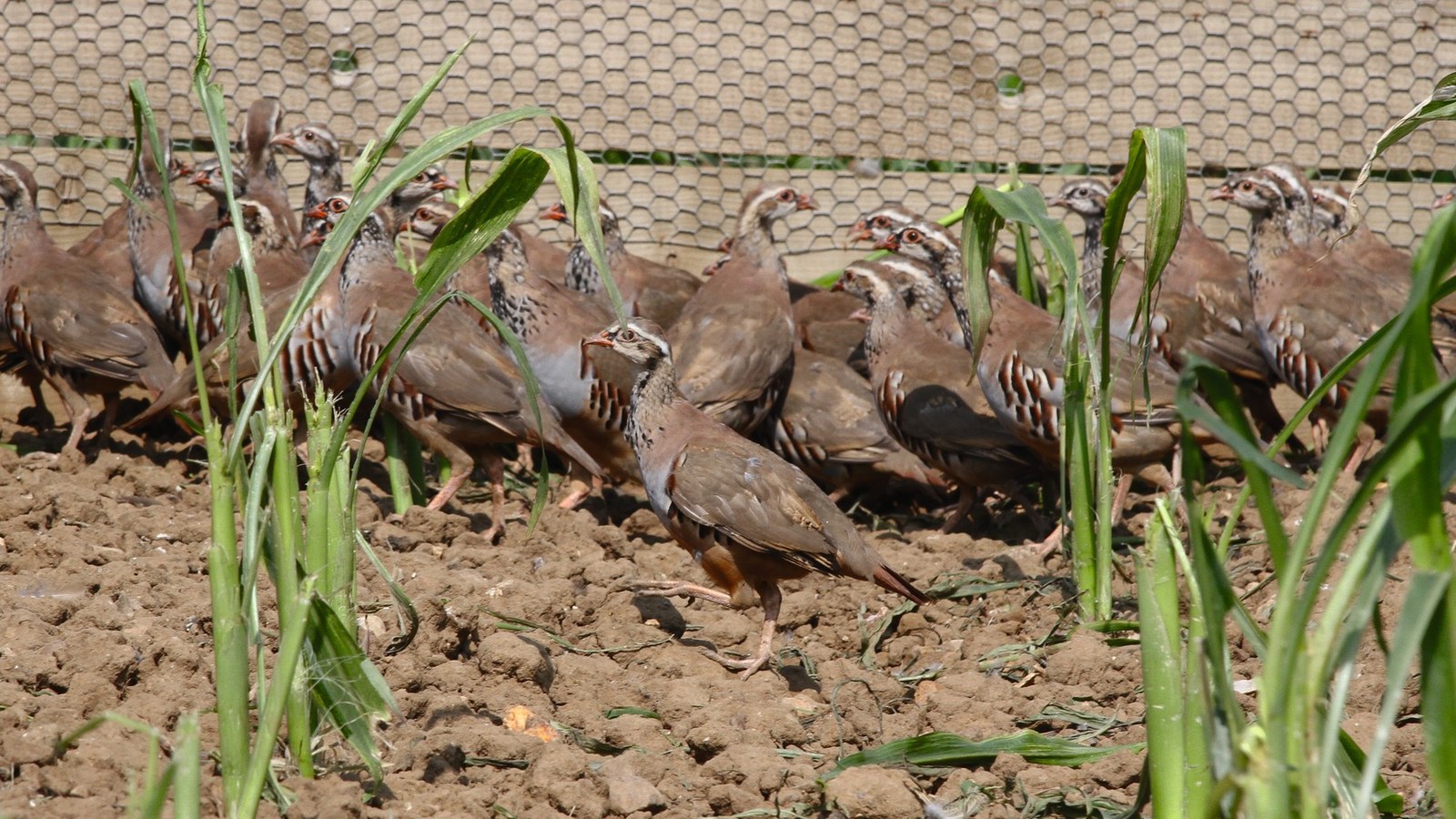

Late summer is a busy time for us at Honeycombe in Dorset. We are releasing poults and reflecting on the roebuck rut. There are a lot of early starts and late finishes with the partridge season, as I write, almost upon us.
I am really pleased that we have had a gold medal roe head from the shoot, as well as two silvers last year. All the deer management that has gone in has paid off. Stalking is not all about the heads here – it is about managing a healthy population of primarily roe and fallow, but also a few sika and muntjac. Twenty years ago I saw my first muntjac on my ground and have only ever seen a handful since then. It has not resulted in the boom I was told to expect. However, it pays to stay vigilant.
Walking the poults back in
Outside the roe rut, the bulk of my time is now spent walking the poults back into the pens, guiding them through the pop-holes. When they are used to that, we open the gates of the pens and lift the wire so that they are freer to explore the area around them. It is at this time that they are most vulnerable, so I keep the electric fences on day and night to hold foxes at bay. They can now acclimatise themselves to the world outside, find new roosts and become aware of predators. If you have got the pen right they will return to it, as they see it as home.
Before I open the pen, they are hopper-fed for 14 days. I then introduce them to the trail-feeder on the back of the buggy. We gradually move the hoppers towards a ride in the pen and then trail-feed around the hoppers. We let the hoppers run out of food, by which time the poults are accustomed to being trail-fed. We then take the hoppers away and solely trail-feed. It is all about introducing change slowly so that the poults can adapt.
I whistle while trail-feeding so that they learn it means feeding time, and feed them morning and late afternoon. That helps stop the birds straying and, while it is a commitment every day, it does pay off. I do it throughout the season and can whistle birds up to flushing points, chosen cover crops or woods.
Water is vital, inside and outside the pen
I provide water throughout the season, both inside and outside the pen. The water is vital; even a good cover crop may be avoided if it lacks water. I use 25-litre manual drinkers that can easily be moved. To ensure good hygiene, I move them a short distance every time I refill them and keep them washed and clean. Checking the drinkers is also a good way of spotting any signs of illness in the droppings around them. If anything looks suspicious, make sure to call your vet.
Dogging-in with a clap of the hands
When I first lift the wire and open the gates of the release pens, I keep a watch out for the birds jugging out in the fields, where they are vulnerable, rather than roosting in or around the pen. If this is happening, regular dogging-in stops it. I have a good team who dog in for me, including my wife, Antonia, who has an excellent, mixed team of dogs. I ask the team to clap their hands when the birds flush back to the pen. Over time the birds associate the clapping with the dogs, so they flush back at the sound alone.
Stepping the feed down as the birds mature
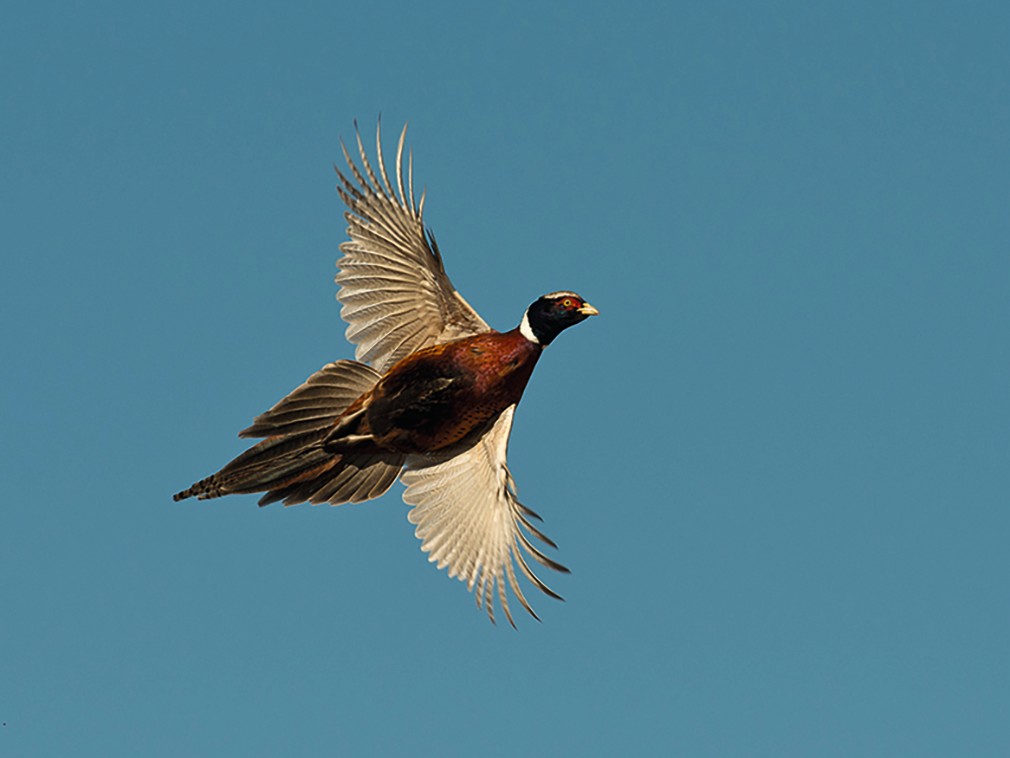
As the days pass, I also reduce the protein content of their food, moving from 23% protein pellets to 20% and then to wheat. After the rapid growth that follows hatching, they do not need as much protein as they get older. Wheat is cheaper than pellets and doesn’t disintegrate in the rain when trail-fed. It should be introduced slowly as the birds mature.
Lastly, don’t let up on fox control – both for general wildlife and for your poults. We have shot 21 foxes in the past four weeks. If each fox takes a poult a day, that can run into hundreds a month.
Mike Appleby runs the Honeycombe Shoot in Dorset with his wife, Antonia.
Frequently asked questions
How long should poults be hopper-fed before trail-feeding?
At Honeycombe the poults are hopper-fed for 14 days before the trail-feeder is introduced. The hoppers are gradually moved towards a ride, trail-feed is run around them, and only once the hoppers run empty and the birds are accustomed to the trail are they taken away – change is introduced slowly so the poults can adapt.
Why whistle while trail-feeding poults?
The birds learn the whistle means feeding time. Fed morning and late afternoon, they stray less, and the association lasts all season – birds can be whistled up to flushing points, chosen cover crops or woods on shoot days.
How do you stop poults roosting away from the pen?
Regular dogging-in. The team clap their hands as the birds flush back to the pen, and over time the birds associate the clapping with the dogs, flushing back at the sound alone.
Why does fox control matter so much at release time?
A fox can take a poult a day, which across several foxes can run into hundreds of birds a month. Honeycombe accounted for 21 foxes in four weeks around release, alongside electric fencing kept on day and night.

About the author
Mike Appleby
A current columnist on gamekeeping for ShootingUK, Mike writes on the keeper's year and the practicalities of running a shoot.
Related Articles

Brood-rearing habitat: the key to gamebird chick survival
The GWCT's Alex Keeble explains why providing insect-rich cover for newly hatched chicks does more for their survival than anything else
By Alex Keeble | 9 September 2026
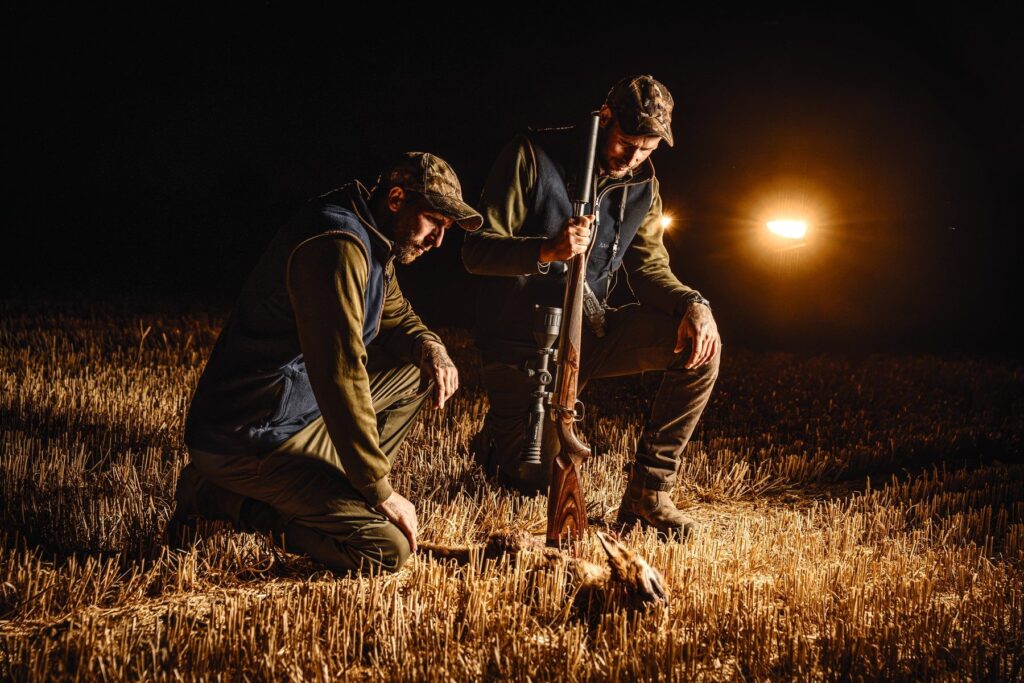
Modern fox control after dark: a night of thermal foxing in Essex
Miles Malone joins an expert two-man team on a north Essex shoot for a night of fox control, where thermal optics, close teamwork and precision shooting have replaced the lamp he grew up with
By Miles Malone | 4 September 2026
Get the latest news delivered direct to your door
Subscribe to Shooting Times & Country
Discover the ultimate companion for fieldsports enthusiasts with Shooting Times & Country Magazine, the UK’s leading weekly publication that has been at the forefront of shooting culture since 1882. Subscribers gain access to expert tips, comprehensive gear reviews, seasonal advice and a vibrant community of like-minded shooters.
Save on shop price when you subscribe with weekly issues featuring in-depth articles on gundog training, exclusive member offers and access to the digital back issue library. A Shooting Times & Country subscription is more than a magazine, don’t just read about the countryside; immerse yourself in its most authoritative and engaging publication.