
Bird flu: England revokes gatherings licence covering pheasants
Any show, sale or gathering of pheasants, partridges, ducks or geese in England now needs a specific APHA licence after Defra revoked the general licence from 00.01 on 21 November, as three more H5N1 cases over the weekend took the UK season to 16
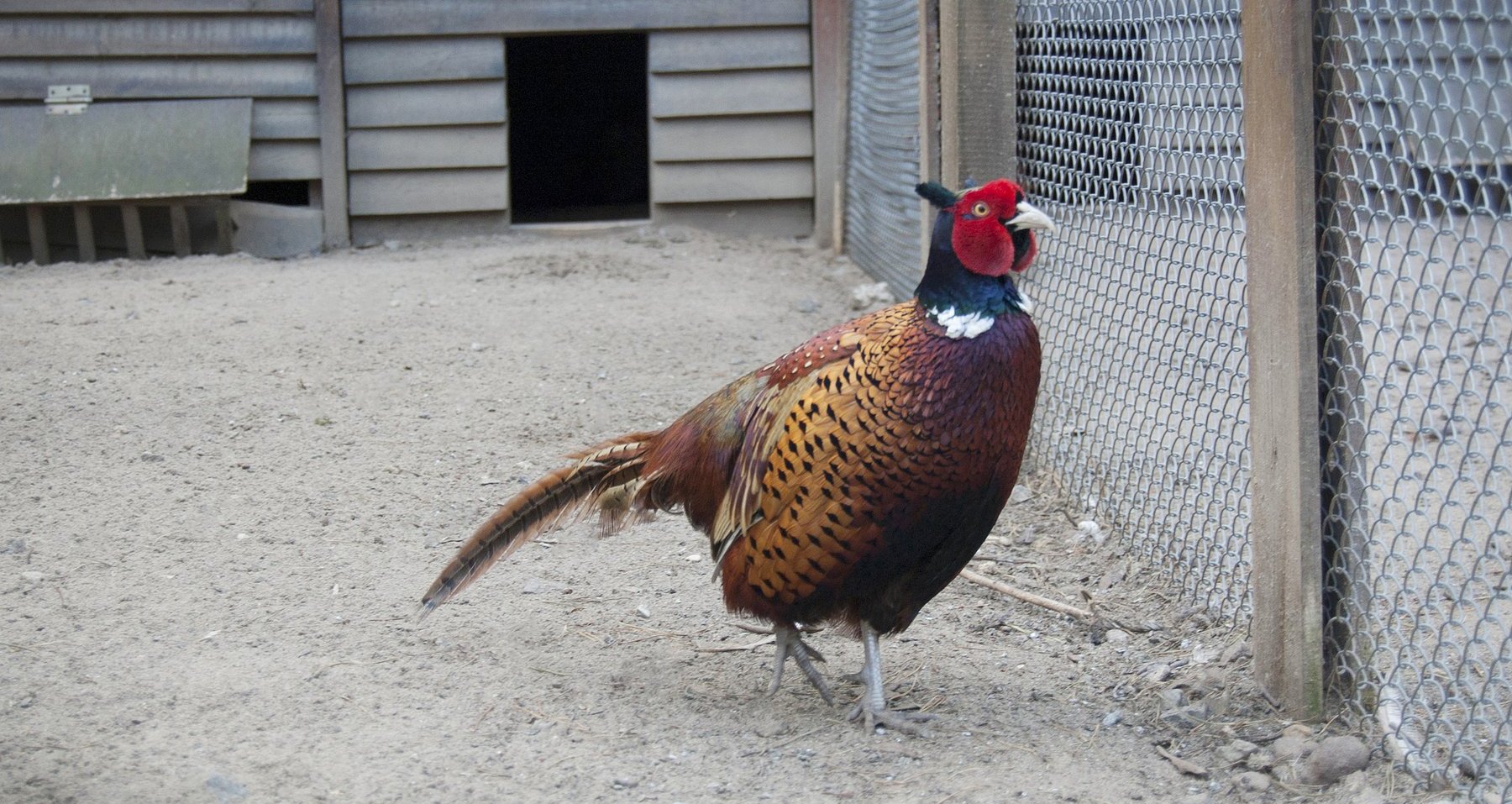

The Department for Environment, Food and Rural Affairs (Defra) revoked the general licence for poultry gatherings in England at 00.01 on Saturday, 21 November, so a show, sale, fair or any other gathering that includes pheasants, partridges, ducks or geese now needs a specific bird gatherings licence from the Animal and Plant Health Agency (APHA). The notice, signed at 10am on Friday, 20 November, came as highly pathogenic H5N1 was confirmed on three more commercial poultry premises over the weekend, in the East Riding of Yorkshire, Norfolk and North Yorkshire.
Which birds does the revoked licence cover?
General licence EXD 178(AI) had allowed organisers to hold fairs, markets, shows and exhibitions of poultry in England without individual permission, provided APHA was told seven days in advance. From 21 November, GOV.UK says, anyone wishing to gather anseriformes (ducks, geese and swans), galliformes (which it lists as turkeys, chickens, quail, partridges and pheasants) or ratites (ostriches, emus and rheas) must apply for a specific licence at least 20 days before the event, with a contingency plan signed by a vet.
Only organisers outside a protection or surveillance zone may apply, and the guidance warns that when the bird flu risk is higher APHA “is less likely to issue a specific licence”. The separate general licence for other captive birds, which covers racing pigeons, birds of prey, parrots and songbirds, stays in force, and Defra says it “could withdraw or amend a bird gatherings licence with immediate effect”.
The revocation brings England into line with Northern Ireland, where GOV.UK noted on 18 November that a ban on gatherings of galliformes and anseriformes is also in force. It sits on top of the housing order for England, in force since 00.01 on Friday, 13 November, under which keepers of 50 or more birds, and anyone who sells or gives away eggs or poultry products, must house their flocks.
Three weekend cases take the UK season to 16
GOV.UK’s latest situation page, updated on Sunday, 22 November, records H5N1 in commercial poultry near Driffield, East Riding of Yorkshire, on Friday, 20 November (AIV2026/32), at a second premises near Dereham in Breckland, Norfolk, on Saturday, 21 November (AIV2026/33), and near Northallerton, North Yorkshire, on Sunday, 22 November (AIV2026/34). Each carries a 3km protection zone and a 10km surveillance zone, and all poultry on the premises are culled. None of the three names a gamebird premises.
The UK table for the 2026 to 2027 season stands at 16 confirmed cases in kept birds, 15 of H5N1 and one of H5N5, with 12 in England, three in Scotland and one in Northern Ireland. On 20 November Defra also raised the risk of poultry exposure to H5 in Great Britain to high where biosecurity is suboptimal or poor, and to medium where stringent biosecurity is applied at all times. In a written answer on 19 November, the Defra minister Stephen Morgan told Dr Neil Hudson MP that nine cases had been confirmed in poultry in England between 19 October and 18 November.
Christine Middlemiss, the UK Chief Veterinary Officer, said when the housing order was declared on 11 November: “Bird keepers are urged to comply with the housing measures and to exercise robust biosecurity, remaining alert for any signs of disease and reporting suspected disease immediately to the Animal and Plant Health Agency.”
What should game farms and shoots do now?
Gamebirds held for restocking count as poultry under the housing measures. GOV.UK’s avian influenza prevention zone page says keepers of ducks, geese, swans, ostriches, rheas or poultry kept for restocking game may be eligible for an exemption from housing on welfare grounds, applied for in consultation with their vet, and it points keepers to Defra’s separate guidance on bird flu rules for anyone who keeps game birds.
Anyone planning a gamebird sale, show or gathering should apply through APHA’s online service at least 20 days ahead with a vet-signed contingency plan, and should be prepared for a refusal while the risk level stays high. Gatherings of racing pigeons, birds of prey, parrots and songbirds can still go ahead under the general licence outside a disease control zone, with APHA notified seven days beforehand.
What happens next
The England housing order and prevention zone remain in force until further notice and are kept under review with the devolved administrations. Wales’s own housing requirement for flocks of 50 or more birds took effect at noon on Monday, 23 November, and a housing order is also in force in Northern Ireland. Organisers can check the current position on GOV.UK’s bird flu latest situation page, which Defra updates with each confirmation, and specific licence applications are made through APHA’s online bird gathering service.
Frequently asked questions
Do I need a licence to hold a gamebird sale or show in England?
Yes. Since 00.01 on 21 November any gathering in England that includes galliformes, which GOV.UK lists as turkeys, chickens, quail, partridges and pheasants, or ducks, geese, swans or ratites, needs a specific licence from APHA, applied for at least 20 days ahead with a vet-signed contingency plan.
Which bird gatherings can still go ahead under a general licence?
Gatherings of racing pigeons, birds of prey, parrots and songbirds outside a disease control zone, provided APHA is notified at least seven days before the event.
How many bird flu cases has the UK confirmed this season?
GOV.UK’s table on 22 November showed 16 confirmed cases in kept birds since the 2026 to 2027 season began, 15 of H5N1 and one of H5N5, with 12 in England, three in Scotland and one in Northern Ireland.
 Closes 15 JanuaryWorth £129.90Win a pair of tickets to the British Shooting Show 2027Enter nowFree to enter
Related Articles
EU lead shot ban fixed for 7 December 2033 and binds Northern Ireland
Regulation (EU) 2026/2530 is law, and with it the seven-year transition the sector fought for. For the Northern Irish shoot it sets the date; for the keeper, the syndicate and the cartridge maker in G...
By News Desk | 24 November 2026
Northern Ireland shock collar ban: no exemption for gundog trainers
Stormont will legislate against remote shock, prong and stop-less choke collars after a consultation split almost evenly, and the only exemption the department names is for police and defence dogs
By News Desk | 24 November 2026
Get the latest news delivered direct to your door
Subscribe to Shooting Times & Country
Discover the ultimate companion for fieldsports enthusiasts with Shooting Times & Country Magazine, the UK’s leading weekly publication that has been at the forefront of shooting culture since 1882. Subscribers gain access to expert tips, comprehensive gear reviews, seasonal advice and a vibrant community of like-minded shooters.
Save on shop price when you subscribe with weekly issues featuring in-depth articles on gundog training, exclusive member offers and access to the digital back issue library. A Shooting Times & Country subscription is more than a magazine, don’t just read about the countryside; immerse yourself in its most authoritative and engaging publication.