

Northern Ireland orders kept birds housed and bans gamebird gatherings
UPDATED: Northern Ireland becomes the second UK nation to order birds indoors after bird flu was confirmed on a Co Tyrone poultry farm. From Thursday, 19 November every poultry and captive bird must be housed or kept apart from wild birds, and gatherings of pheasants, partridges and other game are banned
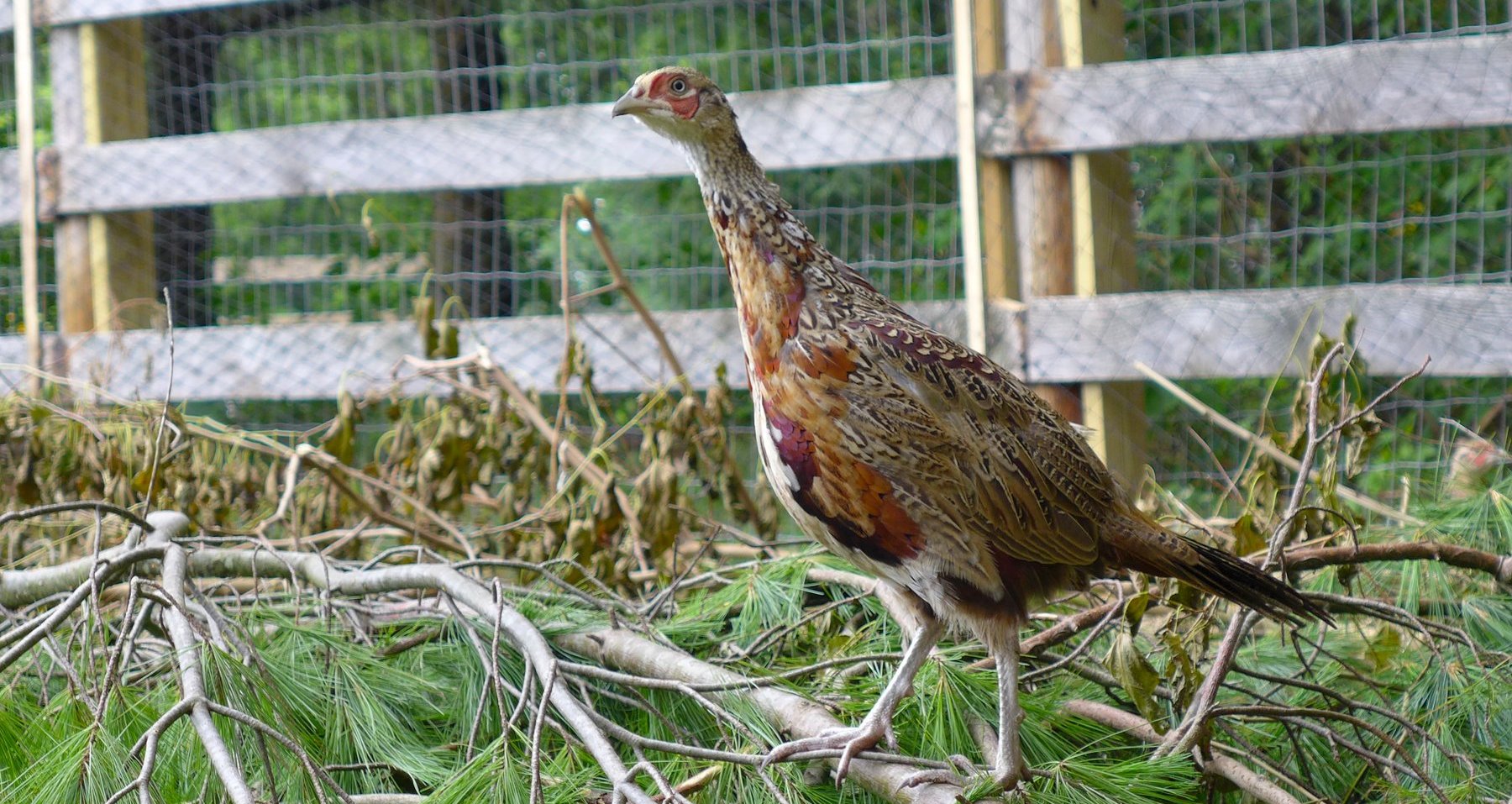

The Department of Agriculture, Environment and Rural Affairs (DAERA) confirmed highly pathogenic avian influenza at a commercial poultry premises near Coagh, Co Tyrone, on the afternoon of Monday, 16 November, after the National Reference Laboratory at Weybridge returned its results. It is Northern Ireland’s first poultry case of the season, which began on 1 October, and the department’s declarations page records the strain as H5N1.
All poultry on the site are being culled, and a 3km protection zone and 10km surveillance zone have been in force around the farm since 17:00 on 16 November. The suspected case was reported late on Saturday, 14 November, and departmental vets who attended early on the Sunday found significant mortality and clinical signs.
What does the Northern Ireland prevention zone require?
An Avian Influenza Prevention Zone covering the whole of Northern Ireland takes effect at 00:01 on Thursday, 19 November. It carries three parts: mandatory biosecurity for every bird keeper; a legal requirement that all poultry and other captive birds be housed or otherwise kept separate from wild birds; and a ban on gatherings of poultry, of galliformes, which DAERA lists as pheasants, partridge, quail, chickens, turkey and guinea fowl, and of anseriformes, including ducks, geese and swans.
The measures apply to everyone from backyard hobby keepers to commercial flocks. DAERA has told keepers to register every flock, however small, and to sign up to its text alerts, and has asked the public to report dead waterfowl or gulls, or five or more dead wild birds of other species at one place, through its online reporting tool.
Why the housing order matters to shoots and game farms
The full scope of the zone is to be published on the DAERA website before Thursday, and the department has not yet said whether released gamebirds or game farm stock are treated differently from poultry. Birds held in pens are captive birds, so any Northern Ireland shoot still holding pheasants or partridges in release pens will need to read the declaration closely. Neither BASC nor the Countryside Alliance had published guidance for Northern Ireland shoots or wildfowlers by the morning of 17 November.
Andrew Muir, the Minister of Agriculture, Environment and Rural Affairs, said: “I am also taking the decision today, based on epidemiological advice and our current risk assessment, to introduce from 00:01 hours on Thursday 19 November, an Avian Influenza Prevention Zone.” He added: “An incursion of HPAI can cause devastating impacts for those affected and our wider industry. I am therefore asking all bird keepers to take the appropriate action to protect your birds, the Northern Ireland flock and wider agri-food industry.”
Brian Dooher, the Chief Veterinary Officer, said: “The disease control measures are crucial to limit any potential spread of disease, and I appeal to all bird owners – backyard and commercial – to take all necessary steps to protect your flock. This includes ensuring continuous excellent levels of biosecurity and reporting any suspect cases of avian flu to DAERA immediately.”
Farmers had called for housing before the confirmation
The Ulster Farmers’ Union asked for a mandatory housing order on the morning of 16 November, while the case was still a suspicion. Jonny Tuft, the union’s poultry chairman, said: “We are calling on DAERA to act promptly and introduce a mandatory housing order for all poultry and captive birds.” He added: “Biosecurity remains our strongest line of defence, but with the ongoing threat from wild birds” a housing order would add “an important additional layer of protection.”
The decision completes the UK picture. Scotland declared a nationwide prevention zone from noon on 10 November without housing; England’s zone was followed by a housing order from Friday, 13 November for keepers of 50 or more birds and for smaller flocks that sell eggs or birds; and Wales brought in an all-Wales zone from noon on 16 November but ruled there was insufficient evidence to order housing. Northern Ireland is now the second nation to require housing.
What happens next
The zone and housing requirement begin at 00:01 on 19 November and DAERA will publish the declaration setting out its exact terms before then. The 3km and 10km zones around Coagh stay in place until the department lifts them, and further cases are possible: the first wild bird detection of the season in Northern Ireland was an H5N1 swan found at Ulster University in Derry on 10 November. Keepers who suspect disease must report it to their DAERA Direct office by law, and the public health agency says the risk to people remains very low.
Frequently asked questions
When does the Northern Ireland bird flu housing order start?
At 00:01 on Thursday, 19 November 2026, when the all-Northern Ireland Avian Influenza Prevention Zone takes effect with mandatory biosecurity and housing.
Does the Northern Ireland prevention zone cover pheasants and partridges?
Yes. DAERA’s ban on gatherings names pheasants, partridge and quail among the galliformes, and all captive birds must be housed or kept apart from wild birds; the full declaration is due before Thursday.
Which UK nations now have bird flu housing orders?
England, from 13 November for flocks of 50 or more, and Northern Ireland from 19 November for all kept birds. Scotland and Wales have prevention zones without housing.
 Closes 15 JanuaryWorth £129.90Win a pair of tickets to the British Shooting Show 2027Enter nowFree to enter
Related Articles
Wales bird flu prevention zone from Monday puts legal duties on shoots
An all-Wales Avian Influenza Prevention Zone applies from noon on Monday, 16 November: no housing order and no change to gatherings, but every game bird keeper must complete a biosecurity checklist wi...
By News Desk | 17 November 2026
Scotland’s first national deer plan due in 2027, minister confirms
The National Deer Management and Venison Plan created by this year’s Natural Environment Act will be published in 2027, and NatureScot will consult on a revised deer code before the end of the year, J...
By News Desk | 17 November 2026
Get the latest news delivered direct to your door
Subscribe to Shooting Times & Country
Discover the ultimate companion for fieldsports enthusiasts with Shooting Times & Country Magazine, the UK’s leading weekly publication that has been at the forefront of shooting culture since 1882. Subscribers gain access to expert tips, comprehensive gear reviews, seasonal advice and a vibrant community of like-minded shooters.
Save on shop price when you subscribe with weekly issues featuring in-depth articles on gundog training, exclusive member offers and access to the digital back issue library. A Shooting Times & Country subscription is more than a magazine, don’t just read about the countryside; immerse yourself in its most authoritative and engaging publication.

