

Scotland-wide bird flu prevention zone puts legal duties on keepers
Every bird keeper in Scotland, game farms and shoots with birds in pens included, must now fence off ponds, feed under cover and disinfect boots by law, as the sixth case of the season in kept birds is confirmed in Norfolk
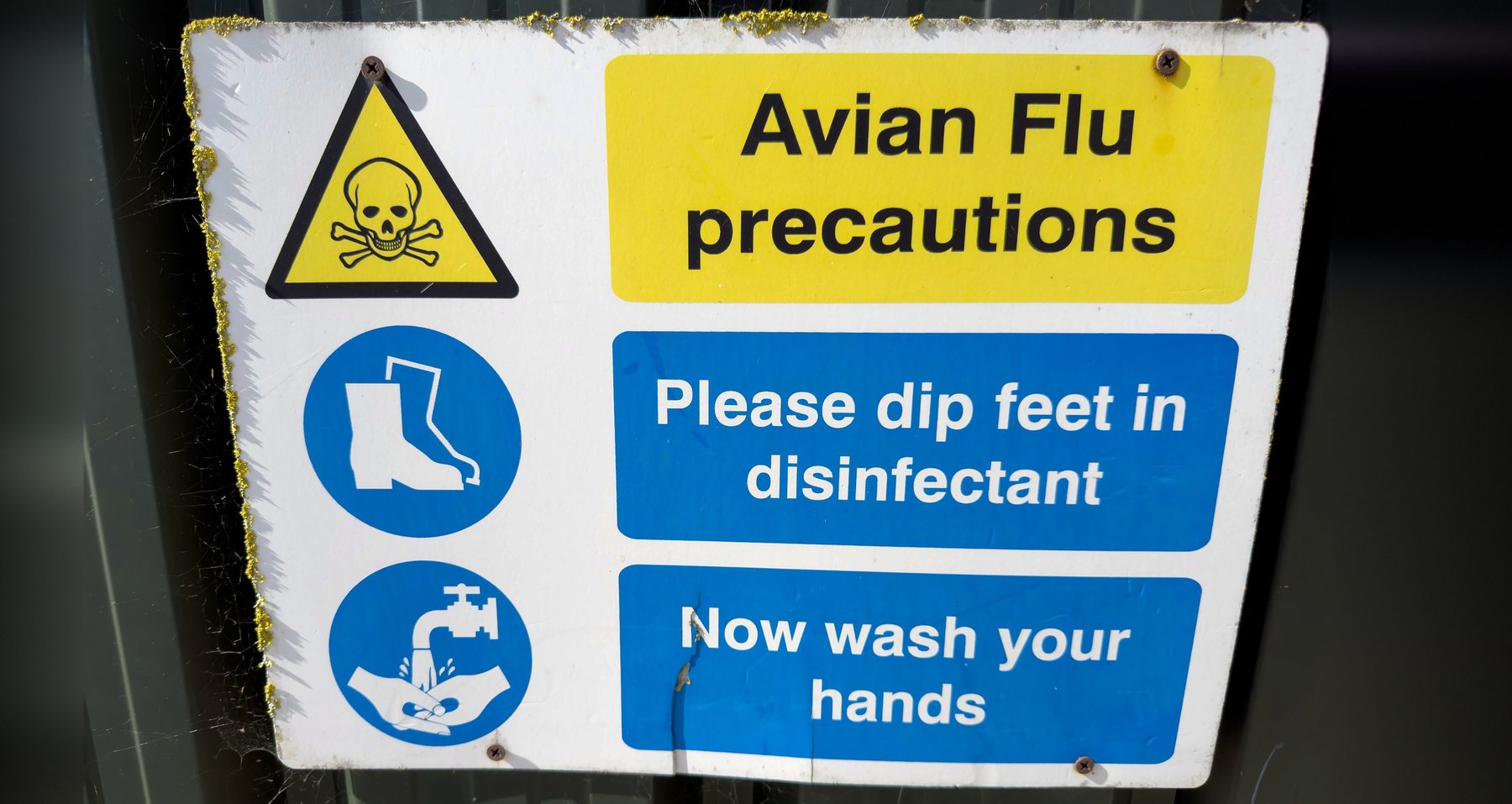

A Scotland-wide bird flu prevention zone came into force at noon on 10 November, placing legal biosecurity requirements on every keeper of birds in the country until further notice. The Scottish Government declared the zone after the risk to poultry and captive birds was assessed as very high, with two confirmed cases in kept birds in Scotland this season and, since 21 October, nine of 65 dead wild birds tested found to carry the virus.
What must keepers now do?
The zone applies to anyone keeping birds, from a backyard flock to a game farm or a shoot with laying stock or birds still in pens. Free-ranging birds must be fenced in and ponds and standing water fenced off, footwear must be disinfected, movement of people and vehicles kept to a minimum, ponds netted and wild bird food removed, and feed and water provided inside enclosures where wild birds cannot reach them.
Sheila Voas, Scotland’s chief veterinary officer, said the risk to poultry and captive birds “is currently assessed as very high” and that the zone “is a preventative measure”. She added: “Maintaining strict biosecurity is the most effective method of protecting birds from the virus.”
How the season is unfolding south of the border
The Scottish Government said six cases had been confirmed in kept birds in Great Britain this season: a backyard flock on the Isle of Lewis, an egg producer in the Scottish Borders near Biggar, where gamebird release was banned inside the zones last week, and four in England. The Department for Environment, Food and Rural Affairs (Defra) and the Animal and Plant Health Agency (APHA) list England premises near Belford in Northumberland, Brigg in Lincolnshire, Garstang in Lancashire and Pocklington in the East Riding, and on 9 November confirmed H5N1 in commercial poultry near Dersingham in Norfolk, with 3km protection and 10km surveillance zones in place. GOV.UK listed no prevention zone in force for England as this story was filed, so biosecurity there remains guidance rather than law outside the disease zones.
Inside a protection or surveillance zone the release of gamebirds is prohibited, as it was around Biggar; outside the zones, gatherings of birds remain permitted under the general licences, and shoots are not restricted. The UK has lost its disease-free status for highly pathogenic avian influenza under international rules, which bears on exports of game and poultry products.
What happens next
The Scottish zone stays in force until the Scottish Government lifts it, and every bird keeper in Great Britain has been required to register with the Animal and Plant Health Agency since 2024, however few birds they keep, so that disease alerts reach them. Game farms and shoots should check their pens, feeders and water against the zone’s requirements now, review who comes on and off the ground, and report any unexplained deaths in kept birds to the Animal and Plant Health Agency without delay. Dead wild birds can be reported through the Defra helpline on 03459 33 55 77.
Frequently asked questions
Does the Scottish prevention zone apply to gamebirds?
Yes. It applies to every keeper of birds in Scotland, so game farms and shoots holding birds in pens or laying flocks must meet the same legal biosecurity requirements as poultry keepers.
Can shooting continue in Scotland under the zone?
Yes. The zone imposes biosecurity duties on keepers; it does not stop shooting. Releasing gamebirds is prohibited only inside a protection or surveillance zone around a confirmed case.
How many bird flu cases have there been this season?
The Scottish Government counted six in kept birds across Great Britain by 10 November, and Defra confirmed a further case in commercial poultry near Dersingham, Norfolk, on 9 November.
 Closes 15 JanuaryWorth £129.90Win a pair of tickets to the British Shooting Show 2027Enter nowFree to enter
Related Articles

Shotgun licensing review revived by inspectorate report, says GTA
The Gun Trade Association’s chairman told its AGM that a proposal to bring shotguns under firearm-certificate style controls had seemed dead until the police inspectorate’s August report breathed life...
By News Desk | 11 November 2026
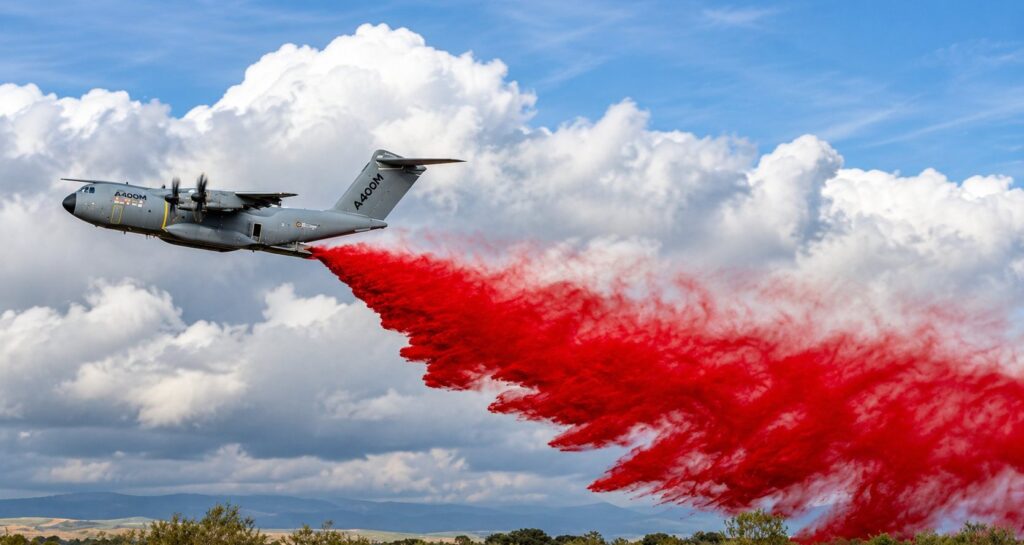
RAF aerial firefighting kit to be ready for 2027 wildfire season
Ministers say the A400M Atlas capability is a first step towards a sovereign military force against wildfires, but will not say how many kits are coming
By News Desk | 10 November 2026
Get the latest news delivered direct to your door
Subscribe to Shooting Times & Country
Discover the ultimate companion for fieldsports enthusiasts with Shooting Times & Country Magazine, the UK’s leading weekly publication that has been at the forefront of shooting culture since 1882. Subscribers gain access to expert tips, comprehensive gear reviews, seasonal advice and a vibrant community of like-minded shooters.
Save on shop price when you subscribe with weekly issues featuring in-depth articles on gundog training, exclusive member offers and access to the digital back issue library. A Shooting Times & Country subscription is more than a magazine, don’t just read about the countryside; immerse yourself in its most authoritative and engaging publication.

