★ Your magazine. Your say. Complete our reader survey with a chance to win Jack Pyke kit worth £500! ★


The gun shy labrador that was cured in a season, and how it was done
An expert told Richard Donnelly to pray. A year-old labrador that hid under the bed at the sight of a shotgun was retrieving cock pheasants out of the cattails by the winter. His method, set out in Gundog Journal, is the one every keeper with a bought-in dog should know: sight first, then noise, then birds, and gunfire only from a distance


A gun shy dog is unfixable, or so the received wisdom runs, and most keepers know a dog quietly moved on because a shot sent it under the truck. A first-person account published by Gundog Journal argues otherwise, and sets out a method that took a year-old labrador from hiding under a bed to hunting hard under gunfire in a single season.
Richard Donnelly, a journalist and gundog enthusiast in the American Midwest, bought Riley, a black labrador bitch from good hunting bloodlines, at a year old. She had spent that year in a back yard with her untrained mother, had never been on a lead and had never had anything thrown for her. The deer heads on the seller’s walls told the rest of the story. “Dogs have tremendously sensitive ears, and more dogs have been ruined by unexpected gunfire than any other mistake,” he writes. The first time he carried a new shotgun into the house to show a neighbour, “Riley ran upstairs and crawled under a bed.”
What did the expert say?
Donnelly’s friend Ted, a lifelong retriever owner and trainer, gave him one word of advice: “Pray.” A gun shy dog, he said, is unfixable. “A dog that is afraid cannot be trained.” The internet remedies, a .22 fired while the dog eats, recordings of gunfire at rising volume, a trip to the range, he dismissed, and told Donnelly to get a second dog. Donnelly could not return Riley, his wife had grown attached to her, and every litter in the area was spoken for before the mating. “I either had to forego hunting, or do what I was told was impossible,” he writes.
How do you start with a dog that fears the sight of a gun?
He began with the sight of the gun, not the sound. A BB gun stood beside his chair every evening until Riley decided that being near him mattered more than being away from it, and lay down at his feet with a groan. “We were on the board. Bird dog one. Gun shy zero.” The BB gun then went on every walk, with treats along the way (“Sliced frankfurters work best”), and the summer was spent on fetch, stay and heel with a gun always carried or close by. He teased her with a feathered dummy and let her run off with it, because “A dog having fun is a learning dog.”
Noise came next, and separately. A puppy should meet noise from six weeks, so Riley had a year to make up. Donnelly clapped as he threw the dummy, quietened when she disliked it, and waited until the urge to chase beat the fear. “I moved up to slapping a couple of 2x4s together,” he writes, a crack from a pair of timber boards, and by the end of the summer “Noise was a part of having fun.” Many would have gone to the gun at that point. He did not, on instinct, and stayed with the teasing, the retrieves and the frankfurters.
Why birds before gunfire?
The third stage was game. Once a week he trapped pigeons and let Riley flush them, then bought a pheasant and released it in a private field. She took the line nose down and “put the pheasant airborne a hundred yards later”, leaping at its tail as it went. “Folks, I had a hunting dog,” he writes. Only then, with the autumn, did he bring in the gun, and he never fired it himself.
Ted did the shooting. On the duck marsh Riley waited in the truck while the two men sat in the hide, and was fetched only after a bird was down: she ran to the hide, swam, retrieved and went back to the truck, until she loved the work enough to refuse the truck. Then she sat on the road while Ted shot from 50 yards. “She flinched, but went for the retrieve.” Over a month he walked her nearer. “In a month Ted probably shot, and Riley retrieved, two dozen ducks this way.” Donnelly carried his own gun for the look of it and left the shooting to Ted.
What does the choice of gun and load have to do with it?
They sat out the first two weeks of the pheasant season to avoid the crowds and the novice guns, and when they went, Ted carried a 12-bore pump-action with light loads in 2¾in cartridges. “A twelve with small loads makes a much more acceptable sound – a long, low boom,” Donnelly writes, against the sharp crack of his own 20-bore over-and-under. Riley sat on the lead 50 yards from the gun. Ted put up a cock pheasant, hit it lightly, and Riley watched it come down on locked wings before she was sent. She tore through the cattails and came back with the bird alive and kicking. “I wouldn’t have bet any dog, anywhere, would come up with that bird,” Ted said.
Over the following month more pheasants fell the same way. “I walked Riley closer and closer to the gun, but never closer than fifteen or twenty yards.” She flinched occasionally. “She still didn’t like gunfire, but enthusiastically retrieved each pheasant.”
When was she cut loose?
December, with the prairie wetlands frozen, the grass flattened under snow and the birds bunched, was the moment of truth, and Donnelly let her hunt on her own for the first time. Two things helped: the gun had never been fired with her underfoot, and snow muffles a shot. “By the third or fourth pheasant she ignored gunfire altogether.” She became, he writes, an obsessed bird-finder, fast and stylish, who waited for him to catch up before she dived into cover and gave him a look when he shot too quickly and missed. “That dog was training me.”
For the keeper handed a year-old dog of unknown history, or the picker-up who has bought an adult with more pedigree than schooling, the lesson is that the fear is not necessarily the end of the dog, but the cure is a season’s patience rather than a weekend’s: nothing fired over her, the distance closed by yards, and every bang tied to a bird and a bit of frankfurter. The same account is the case against the commonest mistake of all, which is a young dog on the peg or in the beating line before it has ever heard a shot.
What happens next
Donnelly will start Riley slowly again next season and will not shoot with her underfoot. “Dogs have long memories. A gun shy dog can backslide,” he writes, but the rule that worked is short: “Avoid surprises. Go slow. Make it fun.” Ted, who manages an office in town, has his own use for it. “I might try your system out,” he said. “On our reps.”
Frequently asked questions
Can a gun shy dog be cured?
Richard Donnelly’s account in Gundog Journal says it can, but only slowly. His labrador went from hiding at the sight of a shotgun to ignoring gunfire in one season by tackling the sight of the gun first, then noise, then birds, and meeting gunfire only from a distance that closed over months.
How far away should gunfire be when a nervous dog first hears it?
Donnelly started at 50 yards, with the dog on the lead or sitting on a road while a friend shot, and never let her closer than 15 or 20 yards until she had retrieved dozens of birds. The gun was never fired with her underfoot.
Does the choice of gun and cartridge make a difference to a gun shy dog?
He found a 12-bore with light loads gave a long, low boom the dog found more acceptable than the sharp crack of his 20-bore over-and-under, and that snow on the ground muffled the shots further.
Related Articles
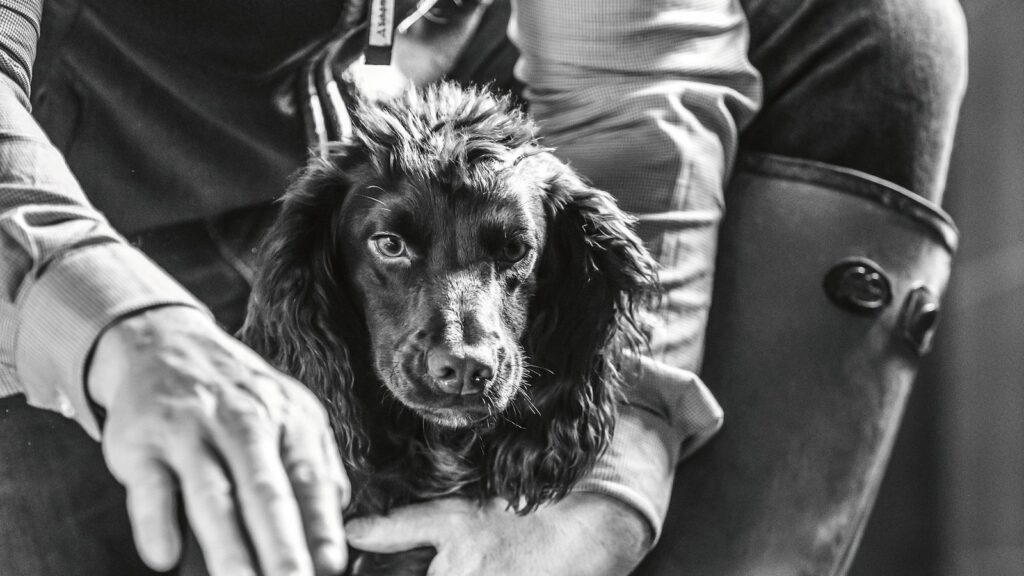
Gundog training starts on the drive home, says Ben Randall
The free-running pup that looks brilliant in the yard at 10 weeks is the dog squeaking in the beating line at 10 months, argues Ben Randall. Writing in Gundog Journal, the trainer of back-to-back Brit...
By News Desk | 29 September 2026
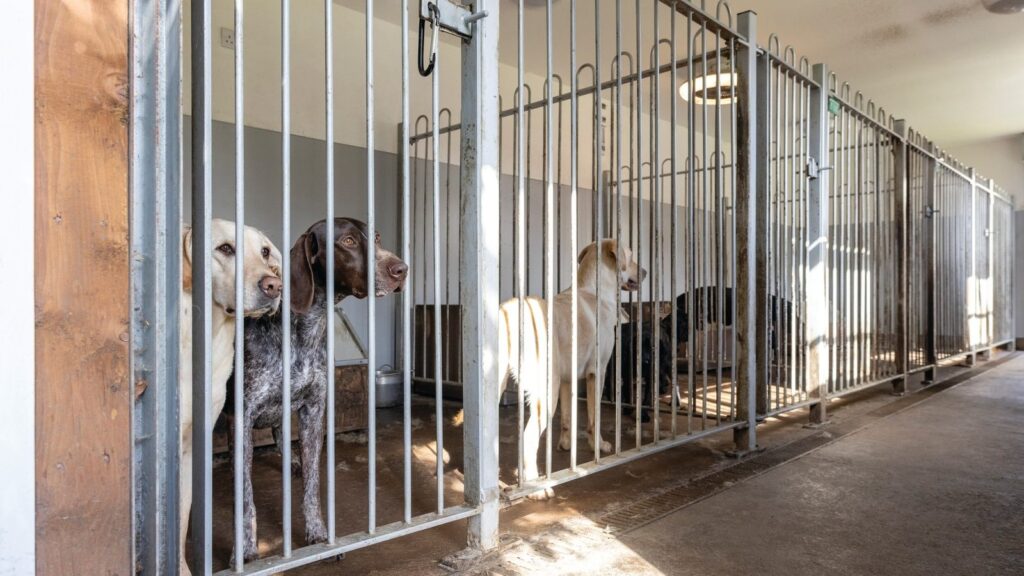
Gundog kennels: why a shed and bars leave a working dog wet and pacing
A run with a view of the whole garden is a big TV the dog cannot switch off, says Ryan Kay, and Ben Randall keeps his kennels inside a building for that reason and for the weather. Speaking to Gundog ...
By News Desk | 28 September 2026
Get the latest news delivered direct to your door
Subscribe to Shooting Times & Country
Discover the ultimate companion for fieldsports enthusiasts with Shooting Times & Country Magazine, the UK’s leading weekly publication that has been at the forefront of shooting culture since 1882. Subscribers gain access to expert tips, comprehensive gear reviews, seasonal advice and a vibrant community of like-minded shooters.
Save on shop price when you subscribe with weekly issues featuring in-depth articles on gundog training, exclusive member offers and access to the digital back issue library. A Shooting Times & Country subscription is more than a magazine, don’t just read about the countryside; immerse yourself in its most authoritative and engaging publication.